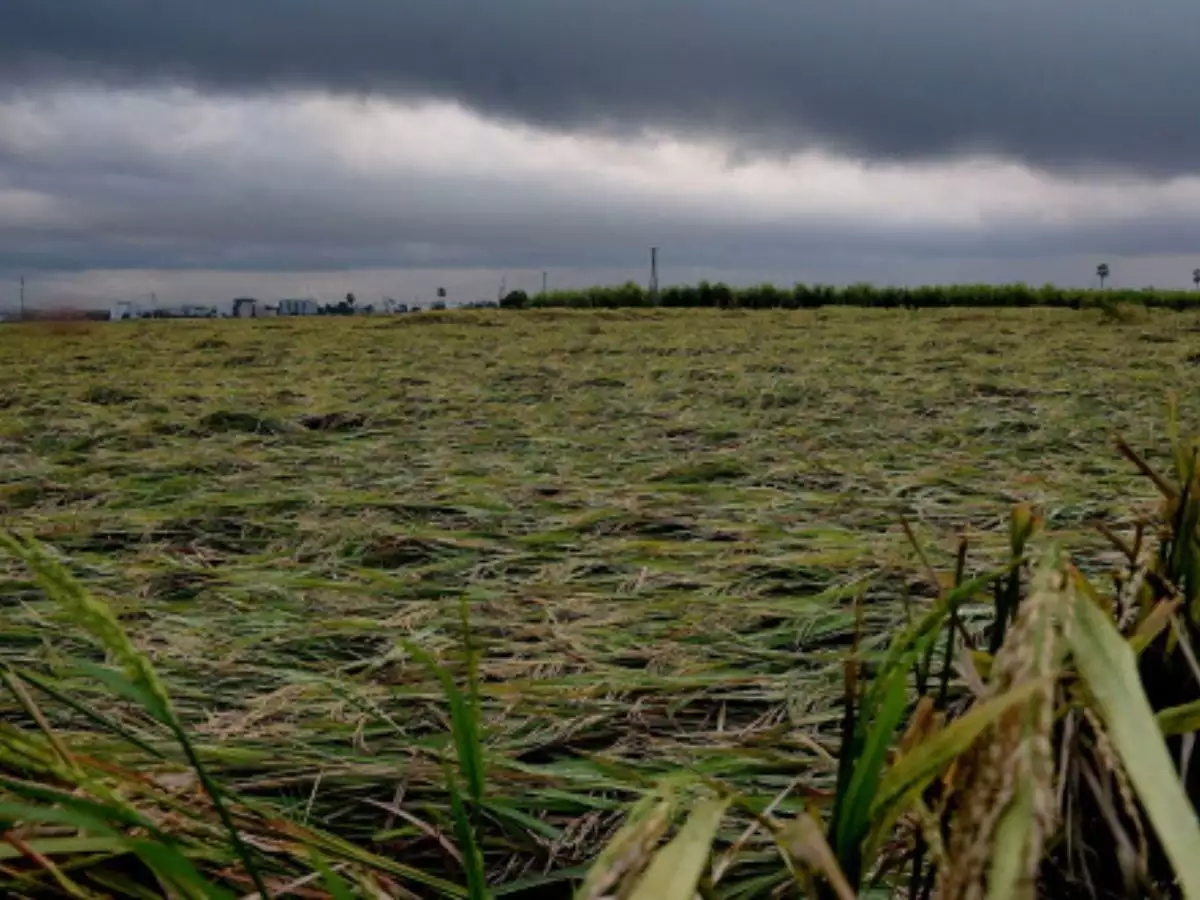
Copious rain has forced on-again, off-again planting schedules in many areas of Nebraska, as well as washed out seeds and flooded fields.
And time is running short to get seeds in the ground. Each day that passes drops yield potential and brings farmers closer to insurance deadlines and the first frost.
Farmers had 83 percent of Nebraska’s soybean crop planted as of Sunday, well behind the 99 percent mark on the same date last year and the five-year average of 95 percent, according to the US Department of Agriculture’s crop report. Only 59 percent of the beans planted this year have emerged, compared with 89 percent last year.
The corn crop -- which gets planted earlier than soybeans and for the most part was in the ground by the time the spring deluge hit -- is 89 percent emerged, trailing the 97 percent seen at this time last year.
Fields that were planted timely and didn’t see flooding look good, said Tyler Williams, a cropping systems educator with the University of Nebraska-Lincoln Extension.
Nebraska’s corn crop rated 65 percent good to excellent, 30 percent fair and 5 percent very poor to poor, according to the crop report produced by the USDA’s National Agricultural Statistics Service.
In Southeast Nebraska many producers were able to get their planters out of the barn only a handful of days since early May.
On the few days they were able to get in their fields, many farmers worked well past sundown racing the next rain.
“A week ago today, it was almost midnight, and we were still going. I got on top of a hill and it looked like tractors everywhere running,” said Ithaca area farmer and Soybean Board member Richard Bartek.
Those with planting left to do are running out of time.
“We’re starting to push the limit on when you can actually get a soybean crop in and receive something at harvest. The next week to 10 days will be pretty critical for getting things in the ground,” Williams said.
“Hopefully these next few days' warm temperatures and a little breeze will dry things out enough to get in the fields. But it sounds like another shot of rain is coming this weekend.”
For soybeans, farmers lose a half bushel off their yield per acre every day after May 1, said Jim Specht, UNL professor emeritus of agronomy and horticulture.
“If you could have planted on May 1 and you planted on June 1, that is 30 days and a 15 bushel (per acre) loss,” Specht said. “You can kiss that money goodbye.”
Dewitt area farmer Greg Peters spent Monday afternoon chatting with his insurance adjustor. They had planned to look at an 85-acre cornfield, which Peters had already replanted once due to flooding and was underwater again thanks to the surging Big Blue River and Turkey Creek.
On higher ground, rain has washed out nitrogen he put on earlier in the season, and he has to decide whether to put more money into fertilizer or let the plants go without.
“It’s an economics game. Are you going to have a decent crop and $3 prices next fall, or are you going to have a bumper crop and maybe you can afford to put a few more dollars toward your fertilizer program?” Peters said.
It’s unlikely the planting problems will affect commodity prices, said Nebraska Soybean Board Executive Director Victor Bohuslavsky.
“We’re too small of an area to affect what happens with the big picture,” he said. “The best looking crops are in Illinois right now.”
Grain futures were higher Monday on the Chicago Board of Trade.
Producers have to report acres they are unable to plant within 15 days after the final planting dates established by the USDA’s Farm Service and Risk Management agencies. Dates vary by region.
Source - http://columbustelegram.com