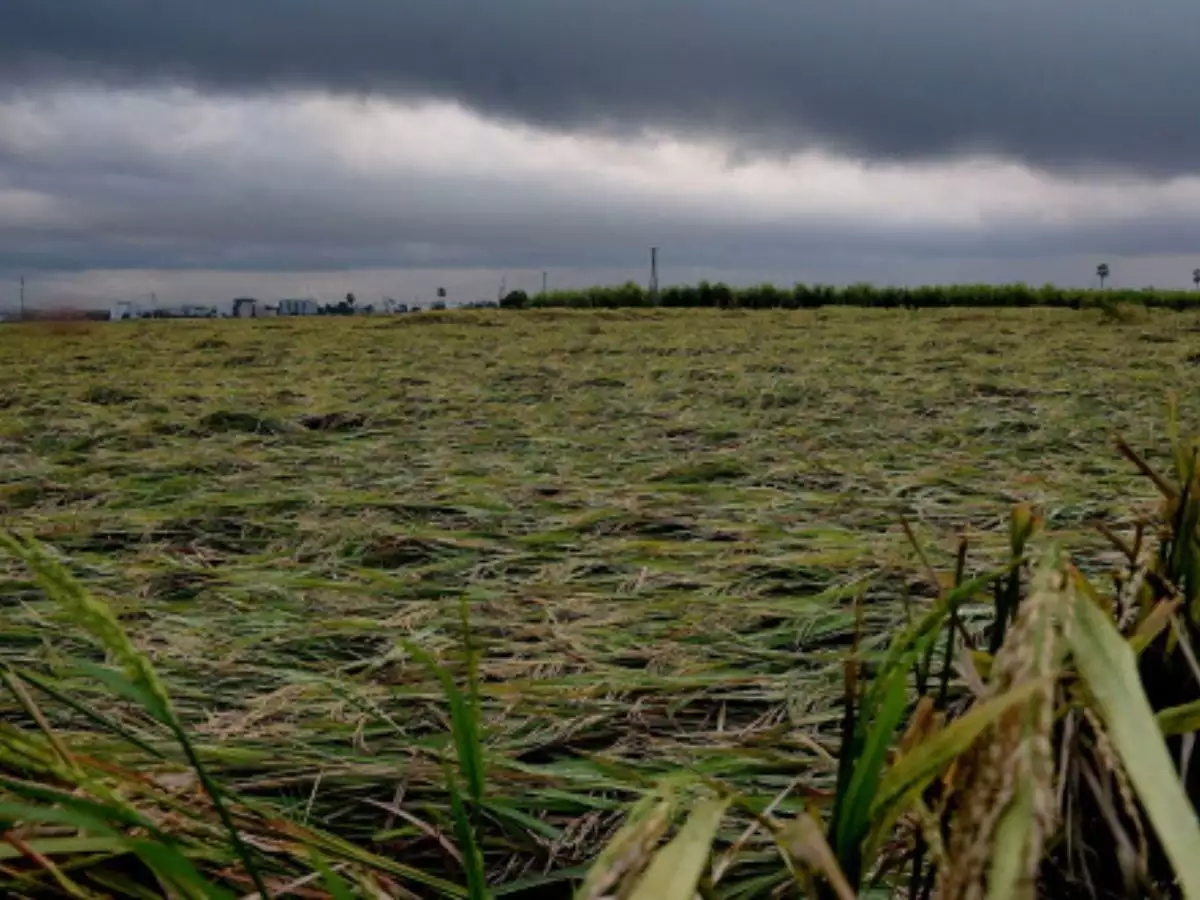
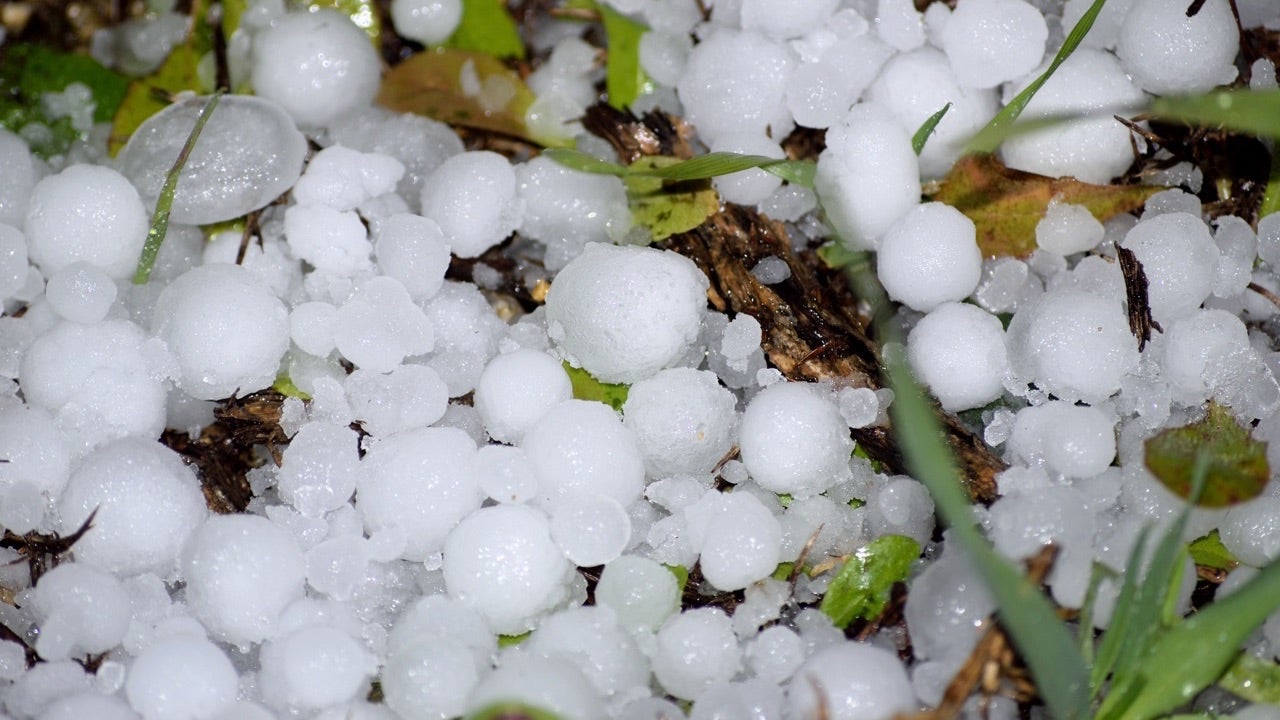
Central: Soil moisture, rangeland and pastures, crops and livestock were all in good condition. Several sunny days and dry weather were drying fields out, which allowed farmers to do fieldwork. Most corn was stunted and yellowed due to excessive moisture. Significant yield reductions were expected. Many producers were able to begin baling hay. Yields were excellent. Harvesting of wheat and oats was slow, as both crops were laid down by the rain and storms. Grain sorghum was maturing a lot faster than it should have. Livestock were in good condition. Coastal Bend: The weather was favorable for fieldwork and hay harvesting in a few areas. However, many fields were still saturated. Crop conditions varied greatly depending on planting date and how long the field had standing water. For the most part, crops began to recover and look decent. A few of the later maturing wheat fields were not harvestable due to the effects of heavy rains. Grain sorghum and cotton were water stressed and yellowing in areas that were slow to drain. Much of the grain sorghum was beginning to head. Producers were spraying for weeds in cotton and soybeans. Pastures were in good condition, and cattle were in great shape. East: The region finally had a week without rain, allowing soils and crops to dry out to a great extent. Rain was forecast, however, and producers were cutting hay where possible. Many fields were still too wet for farmers to enter with equipment. Subsoil and topsoil moisture was adequate to surplus. In Henderson County, floodwaters continued to rise along Cedar Creek and Trinity River. Blackberry and blueberry harvesting began. Vegetables were also being harvested, but quality was poor due to excessive rain and saturated soils. Anderson County corn and grain sorghum were a 100 percent loss, as a levee broke on the Trinity River and the crops were flooded. Diseases and insects damaged plants and crops. Area cattle markets remained strong as weather conditions improved allowing many producers into fields to work and cull herds. Cattle were in good condition. Horn fly problems increased. Mosquitoes and gnats were abundant. Far West: The weather was perfect for planting, with hot temperatures district-wide and little to no rain. Howard County cotton was 65 percent planted and 6 percent emerged. Planting continued in Upton and Glasscock counties. El Paso County onion growers were harvesting their crops. The area around the city of Coyanosa in Pecos County received two significant hail storms, resulting in crop losses of 70 to 80 percent. Any cotton that had been planted will have to be replanted. Pecan trees also received significant damage. Winter wheat was hit the hardest. North: Topsoil moisture was adequate to surplus. Temperatures rose, and humidity was high. Bermuda grass started to green up and grow after the rains let up. As topsoils dried out, producers expected to be able to start harvesting winter wheat soon. Corn, cotton and soybeans were progressing well. Livestock were in good condition, and spring-born calves were flourishing with all the green grass. Insect populations were high with several species of grasshoppers reported. Mosquitoes and flies became bothersome to livestock. Ear ticks were found on cattle. Hopkins County was declared a disaster area due to severe damage to roads, lakes and ponds from recent rains. Panhandle: Temperatures were near average for the week. Soil moisture was mostly adequate. The status of the region's cotton crop varied widely from county to county. In Collingsworth County, conditions remained dry and warm enough to allow most cotton acres to be planted. Cotton coming up looked good with the heat units received this week and the soil moisture profile being adequate. Producers will probably plant grain sorghum in acreage still covered in standing water — once it dries out. In Deaf Smith County, the cotton crop was in dire shape, with only about 1,000 to 1,500 acres planted of the 14,000 typically planted by this time of year. Other Deaf Smith County crops were in better shape, with producers catching up on corn planting and planning to start grain sorghum planting soon. Winter wheat there, however, was affected by various diseases and lost a lot of leaf area. Randall County also had drier weather, allowing producers to plant. Corn and cotton acreage will be down, perhaps 40 percent fewer cotton acres and 35 percent fewer corn acres. The drier weather in Wheeler County let producers into fields to plant cotton and sorghum, and cut and bale wheat hay. Ochiltree County corn and cotton planting was completed, as was planting of irrigated sorghum. Dryland sorghum planting was expected start soon. As for other crops, Hutchinson County producers were able to plant corn and began planting dryland crops. Rolling Plains: Fields were drying out, and wheat harvest and cotton planting began. In early reports, wheat producers were getting decent yields but seeing low test weights in the fields that survived the May storms. Cotton growers were still dealing with muddy fields and very weedy conditions. Most will probably have to use a burn-down herbicide at planting to control weeds and volunteer cotton. Pastures began to recover. South Plains: The region finally experienced several days of clear skies and warm weather. Producers raced to get cotton planted before crop insurance deadlines. Producers in some counties continued planting cotton during the seven-day late insurance time frame, while in other counties they finished planting cotton on time. Some wet spots in fields could not be planted. Corn and peanuts were in excellent condition. Scouting for armyworms began as harvesting of winter wheat started. Grain sorghum planting was ongoing. Soil moisture was excellent, and the warm weather emergence should be very good. Rangeland and pastures were in mostly excellent condition. Garza County was one of 70 Texas counties declared a disaster area due to the damage done by excessive rainfall to roads and other structures. South: The region had mild to moderately warm weather, with sunny days and scattered, light showers — all of which were favorable for planting and promoting plant growth. In the northern part of the region, cotton and grain sorghum were in fair to good condition. Wheat, sweet corn and potato harvesting was in full swing. The pace of peanut planting picked up. Producers began cutting Bermuda grass hay. The spring calf crop made good gains, and cows' body condition scores remained high. Soil moisture was mostly adequate throughout the northern counties. In the eastern part of the region, beef producers continued some supplemental feeding of protein and hay. Kleberg and Kenedy counties cotton and were in good condition. Soil moisture was generally adequate in all the eastern counties. Rangeland and pastures were in good to excellent condition. In the western part of the region, many low-lying fields still had standing water, but the moisture considerably improved rangeland and pastures. Cotton, corn, sorghum, melons and pecans made good progress. Cabbage harvesting was active. No supplemental feeding of livestock was required because of abundant high-quality forage in pastures. Soil moisture was surplus in Dimmit County and adequate in Zavala County. Range and pastures were also in good to excellent condition. In the southern part of the region, grain sorghum was maturing. Corn was in excellent condition. In Hidalgo County, citrus and sugarcane harvesting continued, and the expected yield of sunflowers was diminished by the lack of seed fill. In Starr County, hay baling and cantaloupe harvesting continued. Willacy County received another 0.5 inch to 1.5 inches of rain. Soil moisture was adequate in Cameron, Hidalgo and Starr counties, and surplus in Willacy County. Southeast: Soil moisture throughout the region varied widely, but was mostly adequate to surplus. Fort Bend, San Jacinto, Walker and Chamber counties all had 100 percent surplus moisture. Brazos County had 100 percent adequate moisture. Rangeland and pasture ratings varied widely too, but were mostly good to excellent to good, with good ratings being the most common. Much of the area had a brief respite from the continued rain. Pasture conditions improved, and producers were trying to cut hay. Fields remained soggy in places. However, in the few days of dry weather, soils dried and firmed up more than expected, which made it possible to take equipment into fields. Waller County corn leaves were turning yellow from the saturated soils, and a 30 percent crop yield reduction was expected. Ponds were overflowing. Snakes were leaving flooded low areas and making appearances on roads, in tall grasses, yards, garages and homes. In Chambers County, the final rice planting date of May 31 passed, and significant rice acreage was not able to be planted. With some drying in Fort Bend County, producers were able to spray and fertilize cotton and some sorghum. More rain was expected this week, which will be welcomed by those who had to aerial-apply granular fertilizer. Livestock were in good condition. Galveston County didn't receive any rain, but hay and forage crops were still too wet to harvest. Southwest: Conditions were the best seen in many years. Grass growth was very good, and lots of hay was being made. There were also negative aspects of all the rain, such as many producers having to rebuild fences due to floodwaters, and reduced small-grains yields. Wheat remained in poor condition, having been laid down by heavy rains and high winds. Grain sorghum was heading out and beginning to turn color. Cotton was planted and emerged. Livestock and wildlife were in good condition. West Central: Conditions were warm and humid, with sunny days that helped fields dry out and producers to get back into them. Stock-water tanks were full, and soil moisture was excellent. Cotton planting was in full swing where producers could get into fields. The pace of wheat harvesting picked up. Producers were taking the first cutting of hay, with above-average yields and excellent quality and quantity expected. Weeds were becoming an issue and growers had to spray or re-plow. Grain sorghum looked good. Rangeland and pastures were in excellent condition. Warm-season grasses made good growth due to ideal growing conditions. Livestock remained in good condition. Flies were becoming an issue. Pecans appeared to have escaped scab problems.
Source - http://www.brownsvilleherald.com