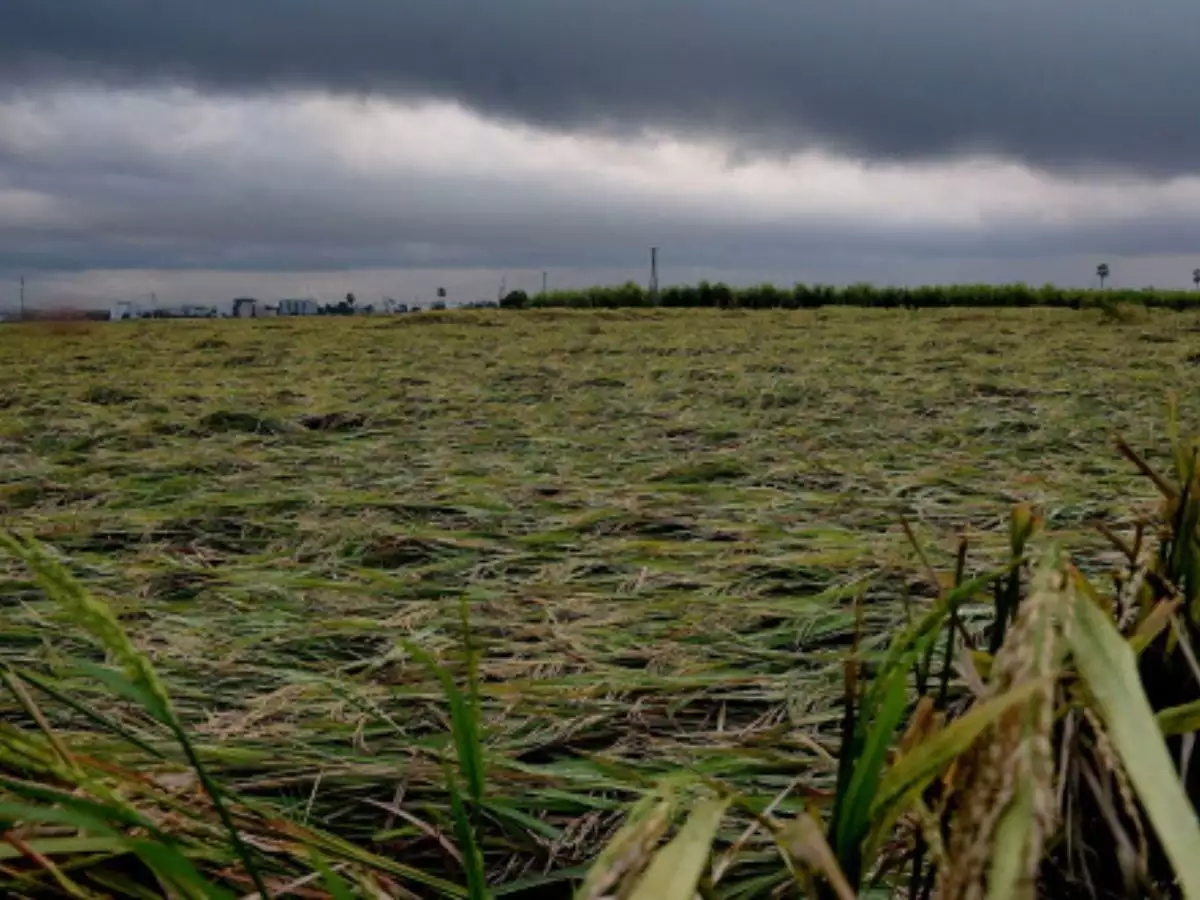
Many crops in Colorado are not being planted or harvested anywhere near the rate they were last year. It's simply been too wet for some farmers to get into their fields.
In Keenesburg Wednesday, farmers said they are just hoping to break even.
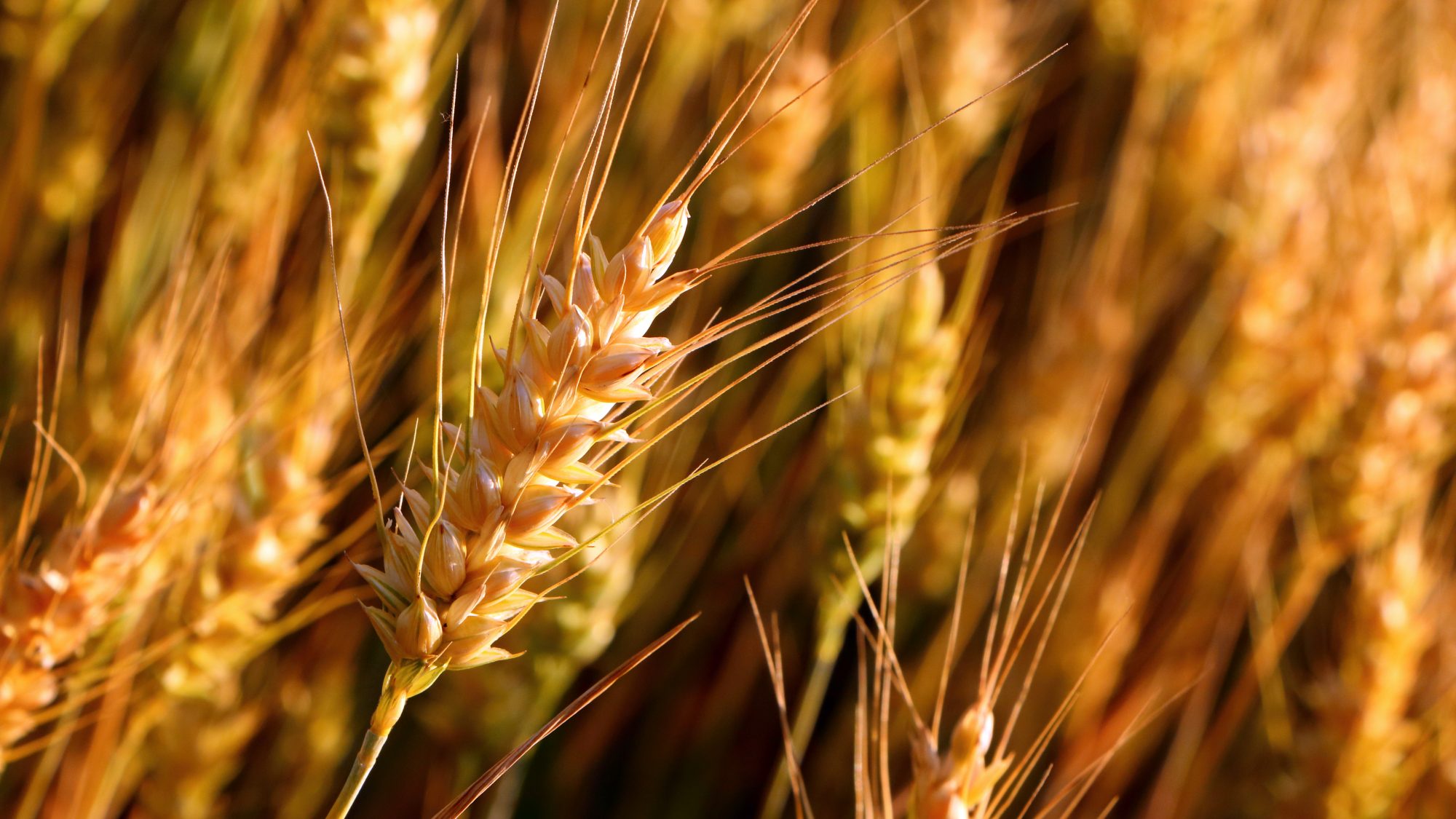
Marc Arnusch stands between two fields on the farm his family has run since the 50s. On one side is a field of waist-high, vibrant, green, winter wheat. On the other side is several acres of dirt, usually full of near knee-high corn by now.
He can't help but be excited about what could be the best wheat harvest for him in years.
"Maybe those will offset some of the losses we may see on the corn side," he said.
That idle farmland won't have any corn planted in it this year. The rain delayed planting too long.
"My bottom line looks terrible right now. If we lose a crop to early freeze or we just can't get anything to mature, it really puts our farm at a disadvantage, and it may even threaten our farm's survival long term," Arnusch said.
The effect of this wet spring is widespread. Arnusch estimates that several farmers in Greeley and Windsor have idled 50 to 60 percent of their land bases. Beyond Arnusch's income, supplemented by a modest crop insurance, he fears letting go of his workers.
"They might not be blood but they are like family. You would just hate to have to lay somebody off like that," he said.
How bad is it?
The USDA publishes a weekly Colorado Crop Progress report.
Only 15 percent of alfalfa have seen a first cutting. That is down from 35 percent the same time last year. Seventy-two percent of corn planted has emerged from the ground. It was 93 percent this time last year. It's a sure sign that many farmers are pushing corn harvest into late fall, where the threat of a first freeze wipeout looms.
"This year is a challenge. That's agriculture. We've always found a way to survive," Arnusch said.
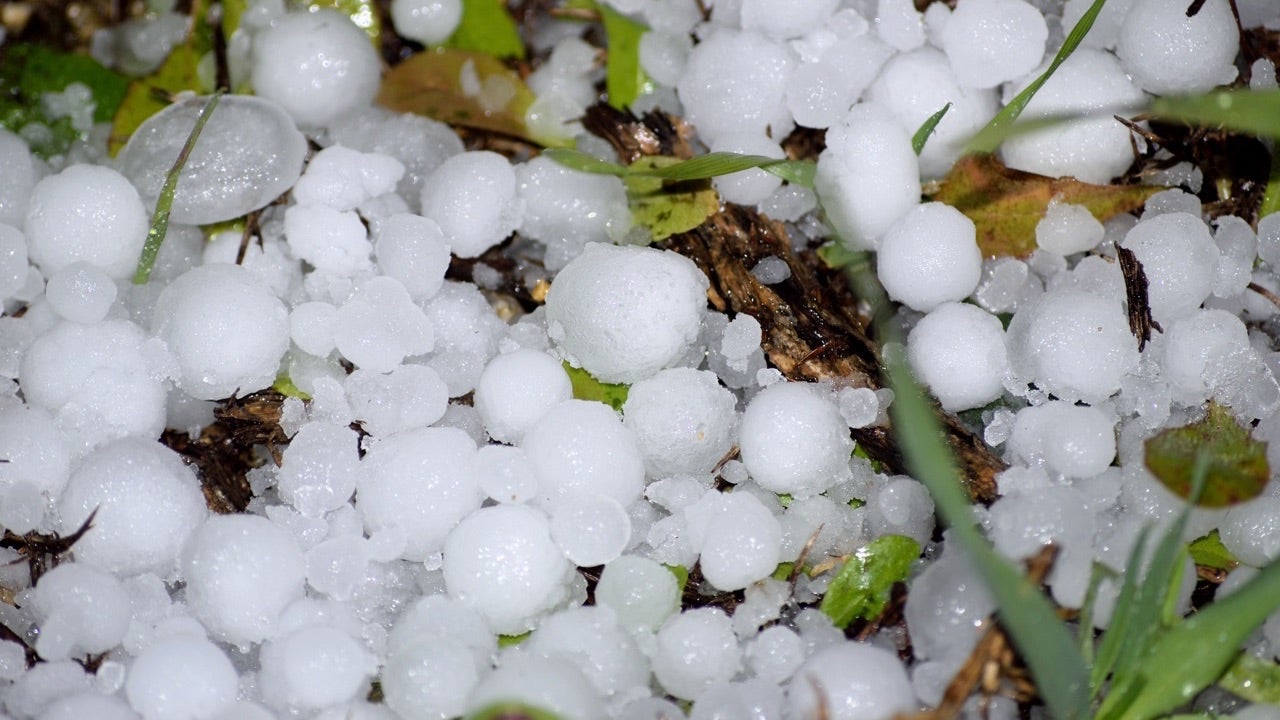
He really has no choice. There are so many factors that play into keeping a crop healthy. He's hoping what he's got makes it through the impending and inevitable thunder and hail storms, which have the potential to destroy his pristine wheat field.
The consumer will take a hit too. Arnusch sells to several Colorado-based processing companies.
"When I can't produce alfalfa the dairy down the road needs, it can't produce the milk needed for the Leprino Cheese factory in Greeley. [Farmers] can't produce eggs in local chicken farms because of reduced amounts of corn," he said.
What farmers need now are warm dry weeks ahead to help crops mature. Things aren't looking bright going into the next few days. Arnusch knows he cannot change the weather. All he can do is control what's in front of him and hope for the best.
"As a farmer we always have to be the eternal optimist. We always have to look for better days around the corner," he said.
Source - http://www.9news.com/