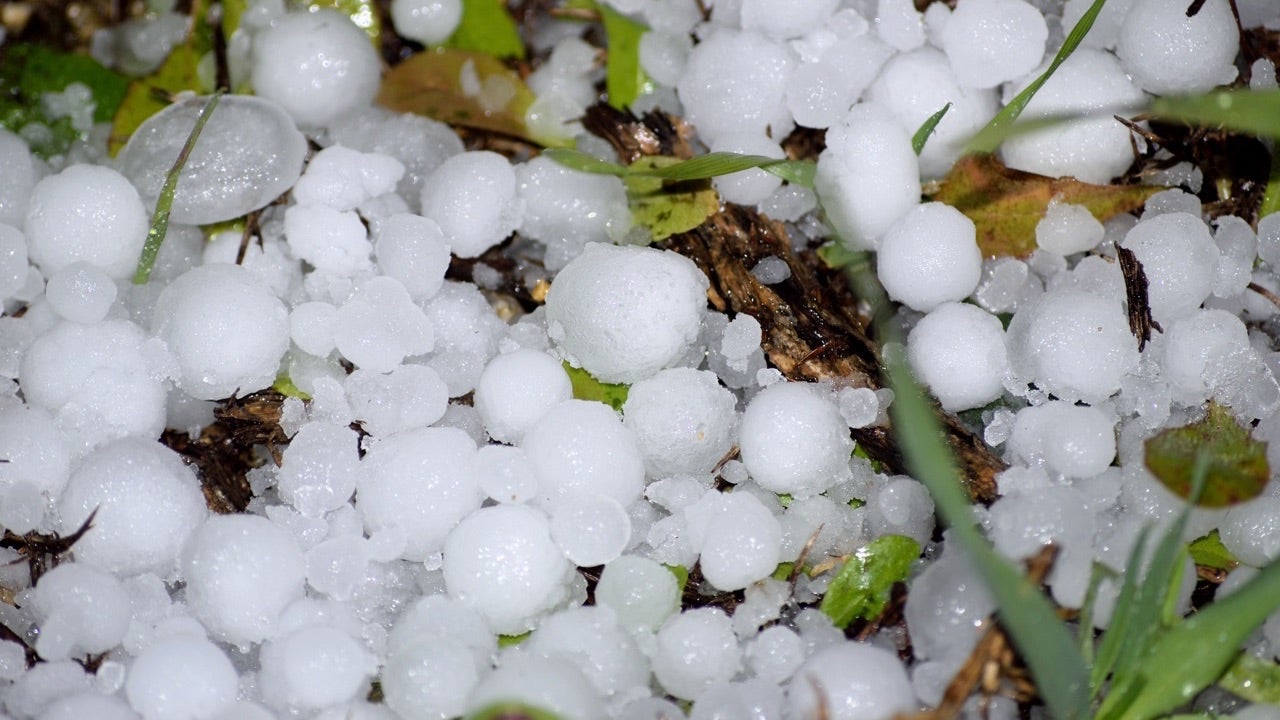
Mostly scattered showers were experienced last week with a few heavier amounts reported. Areas of the Northern High Plains, the Trans-Pecos, the Upper Coast, and South Texas experienced upward of 3 inches of rainfall, while the rest of the state received little to no measurable precipitation. Hailstorms where experienced in the Trans-Pecos area.
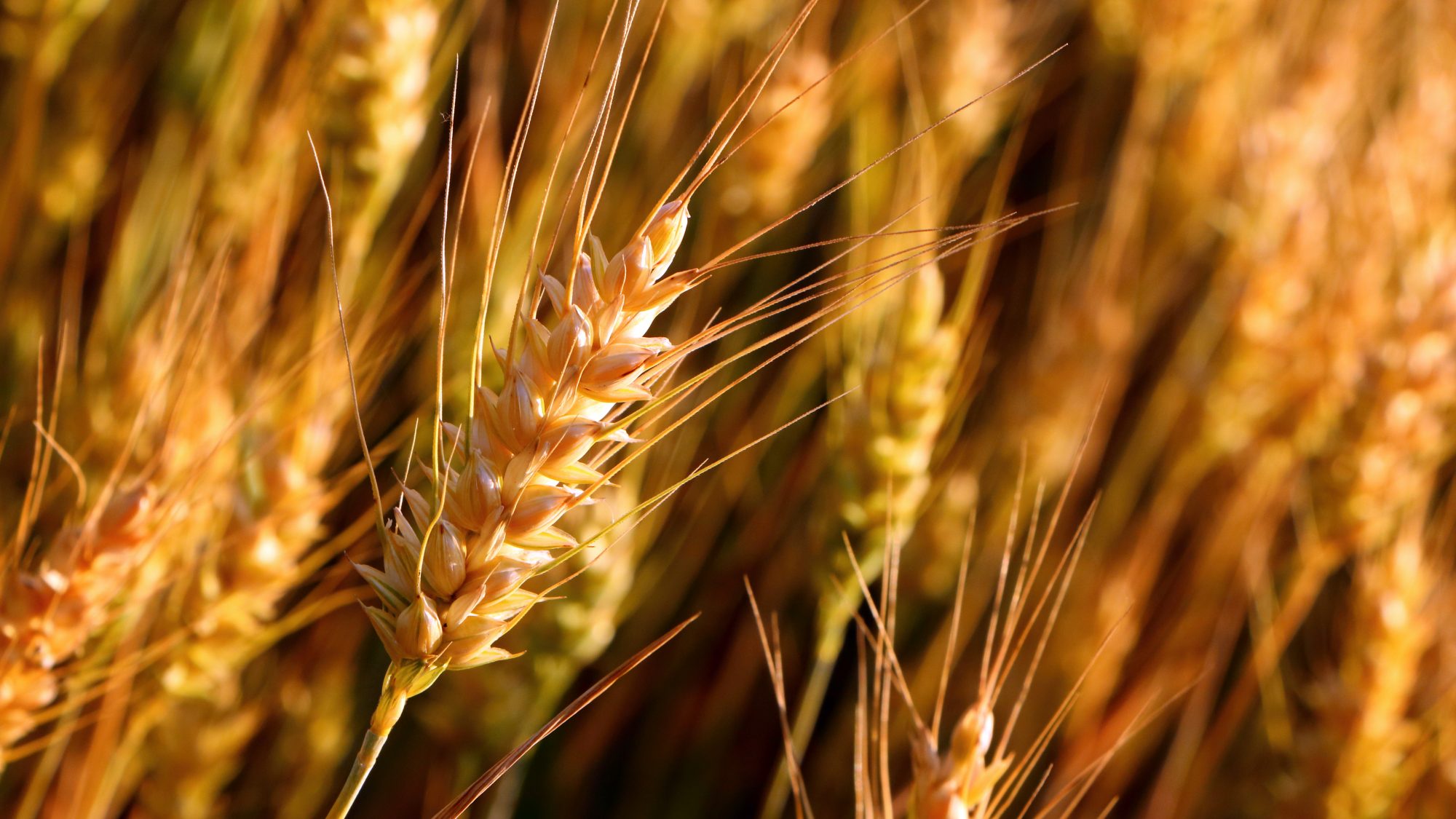
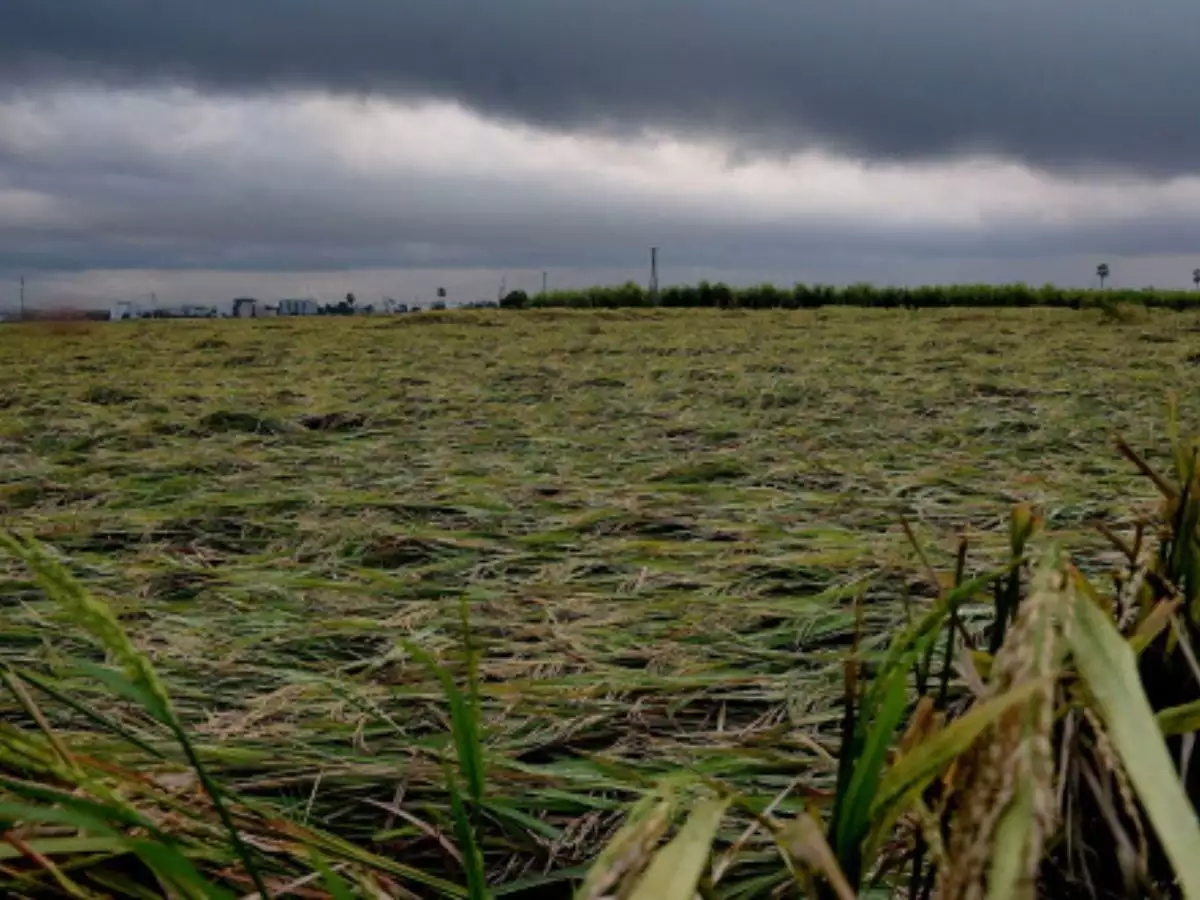
■ Small grains: Wheat and oat harvest continued in earnest as fields began to dry down in most areas. However, both crops suffered damage in areas of the Cross Timbers due to excess moisture.
■ Row crops: Row crops across the state continued to progress as planting resumed in many areas. Row crops in the Blacklands displayed signs of stress due to standing water and some stunted corn was also reported. Corn was rated good to fair with 93 percent planted, 6 points behind normal. Cotton was also rated good to fair with 75 percent planted, 11 points behind normal and still lagging 7 points behind this time last year.
■ Fruit, vegetable and specialty crops: Vegetables in East Texas suffered damage due to rain and wet soil conditions. Onion producers continued harvest in areas of the Trans-Pecos. Melons and pecans continued to progress in South Texas.
■ Livestock, range and pasture: Abundant moisture and warm sunny weather have greatly aided range and pasture development. As a result livestock conditions continue to improve. Pond levels were adequate across the state.
■ South Plains: The region finally experienced several days of clear skies and warm weather. Producers raced to get cotton planted before crop insurance deadlines. Producers in some counties continued planting cotton during the seven-day late insurance time frame, while in other counties they finished planting cotton on time. Some wet spots in fields could not be planted. Corn and peanuts were in excellent condition. Scouting for armyworms began as harvesting of winter wheat started. Grain sorghum planting was ongoing. Soil moisture was excellent, and the warm weather emergence should be very good. Rangeland and pastures were in mostly excellent condition. Garza County was one of 70 Texas counties declared a disaster area due to the damage done by excessive rainfall to roads and other structures.
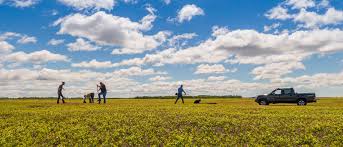
■ Panhandle: Temperatures were near average for the week. Soil moisture was mostly adequate. The status of the region’s cotton crop varied widely from county to county. In Collingsworth County, conditions remained dry and warm enough to allow most cotton acres to be planted. Cotton coming up looked good with the heat units received this week and the soil moisture profile being adequate. Producers will probably plant grain sorghum in acreage still covered in standing water — once it dries out. In Deaf Smith County, the cotton crop was in dire shape, with only about 1,000 to 1,500 acres planted of the 14,000 typically planted by this time of year. Randall County also had drier weather, allowing producers to plant. Corn and cotton acreage will be down, perhaps 40 percent fewer cotton acres and 35 percent fewer corn acres. Dryland sorghum planting was expected start soon.
Source - http://lubbockonline.com