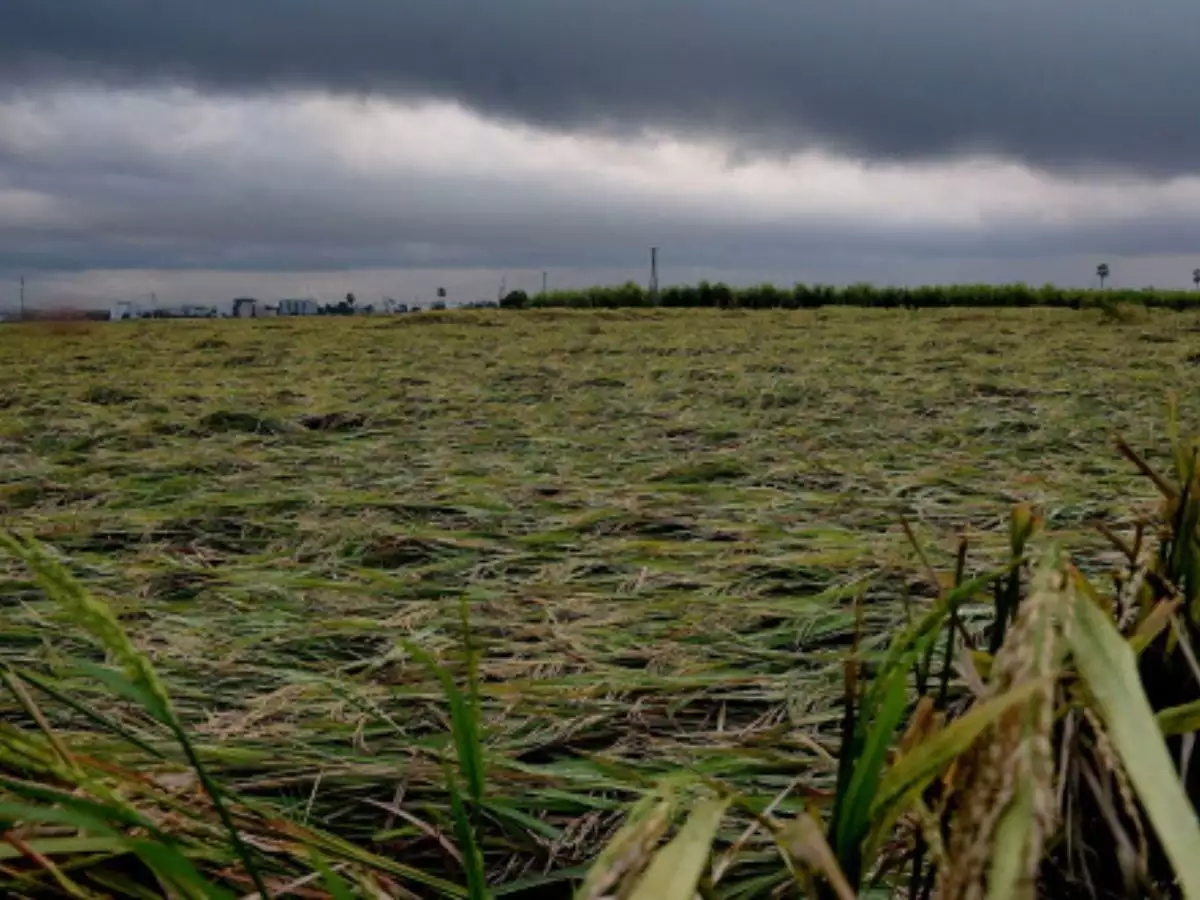
After a wet May, farmers in some areas of North Dakota again are considering filing for prevented-planting crop insurance. State Farm Service Agency officials expect the number of prevented-planting acres to be far lower than last year's 1.7 million.
The highest years for prevented- planting acres in North Dakota have all been fairly recent: 5.6 million in 2011, 3.9 million in 1999, 3.8 million in 2013, 2.1 million in 2001, 2 million in 2009 and 1.7 million in 2010 and 2014.
"We have doubt this year's [prevented-planting] will hit 1 million acres, but that's just speculation," says Bryan Olschlager, an FSA state program specialist in Fargo. "Producers started with ideal planting weather -- or close to it -- in most of the state, but that deteriorated."
Last week, the FSA issued electronic notices to farmers saying the deadline for reporting prevented-planting acres is within 15 calendar days of the final crop insurance planting date for an affected crop, which varies by area.
In Walsh County, N.D., for example, the FSA deadline to report is June 9 for corn, June 20 for barley, canola, wheat and sunflowers, and June 25 for edible beans, flax and soybeans. Deadlines change from north to south because of the shorter growing season in the north.
Future benefits
Olschlager says prevented-planting reporting to the FSA is necessary because the figures are used in the agency's production history of the land, which can be important for future farm programs benefits.
Because of widespread prevented- planting use in many recent years, reporting deadlines were extended to July 15 -- but not this year.
Olschlager says the deadlines are used to give FSA officials time to make field visits to verify the reason for prevented-planting. A farmer can apply for a late-filed reporting for $46 per farm or more, if the difficulty of verification is greater. FSA and Risk Management Agency, the agency with jurisdiction over federal crop insurance, have been moving toward common acreage reporting deadlines, but their prevented-planting reporting dates are still different, he says.
Chris Midgarden and Roy Patton, agents at First United Insurance of Park River, N.D., say farmers who plan to halt planting after the full coverage final planting date have three days to report those intentions to their crop insurance agents to comply with RMA rules.
An insured farmer can plant for 25 days after the deadline for most crops, but they'll receive discounted insurance indemnity at a rate of 1 percent for each day planting continues past the deadline. Canola, for instance, has a late-planting indemnity guarantee reduction of up to 15 days at 1 percent per day for the first five days and 2 percent for the next 10 days.
Going the distance
Farmers tend to give up on planting crops before reaching the final allowable planting deadlines, Patton says. Farmers in his area typically won't risk planting soybeans or dry edible beans after June 20, even though the late-planting period technically runs until July 5.
"We did see a few soybeans planted here the first week in July, and they made it," he says. "The late-planted soybeans involved land that came out of [Conservation Reserve Program] and it would have lost its qualification for prevent-plant in future years. That's going to be very rare."
Midgarden says because this year's prevented-planting is not widespread, agents and farmers are expecting RMA to scrutinize claims more than in some past years.
Patton says eligibility can hinge on whether the prevented-panting conditions are common across the region. That's a gray area, he says, because conditions can vary greatly within any given small area in North Dakota.
In a related matter, the FSA advises that farmers reporting failed acreage must do so before disposing of the crop to receive credit for farm program benefits. If those acres fail while enrolled in the new Agricultural Risk Coverage-Individual Crop program, farmers need to report the failed acres as the initial crop planted, Olschlager says. Planted crops that have failed because of an eligible disaster condition will retain the planting history for the initial crop, even if it was followed in the failed year by sunflower or some other rescue crop. The deadline to submit FSA failed acreage reports is also July 15.
Source - Grand Forks Herald