Excessive rainfall is causing some headaches for area corn and soybean farmers.
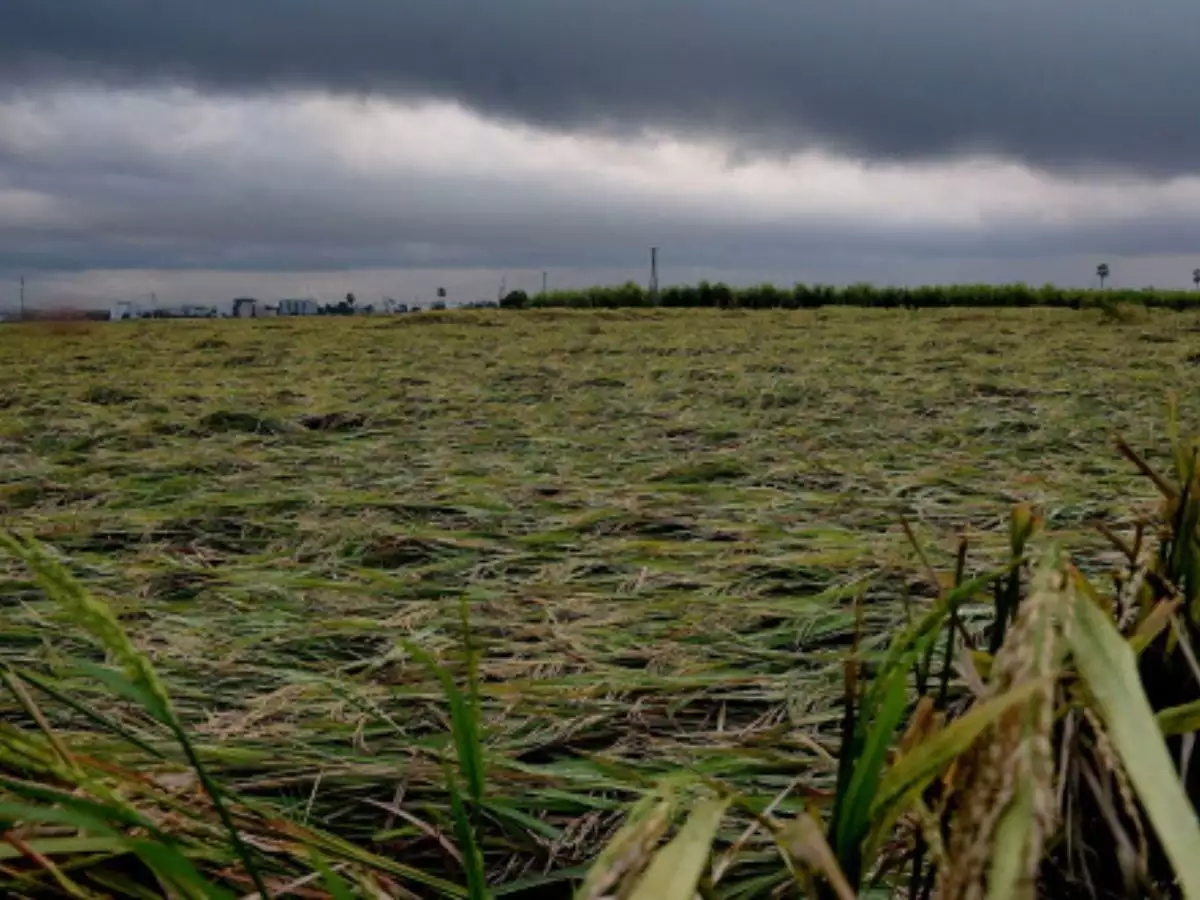
After a dry start to the spring, the rainfall is now preventing some farmers from getting out into their fields to do necessary work.
Local farmer, Dennis Dempsey, says due to the excess moisture it has made it impossible to get any work done.
"We can't get any spraying done. Weeds are getting bigger - the bigger they get, the harder they are to kill. We need to get that done in a timely manner. The hay, it's just been impossible to get any dry hay bailed,” Dempsey said.
Earlier in the spring, farmers would say there wasn't enough rain. However, now they are wishing there was not as much.
"I've just always had the opinion that we need a dry June to raise a good corn crop. So we're not getting a good June,” Dempsey said.
He said the extra moisture also can cause root rotting.
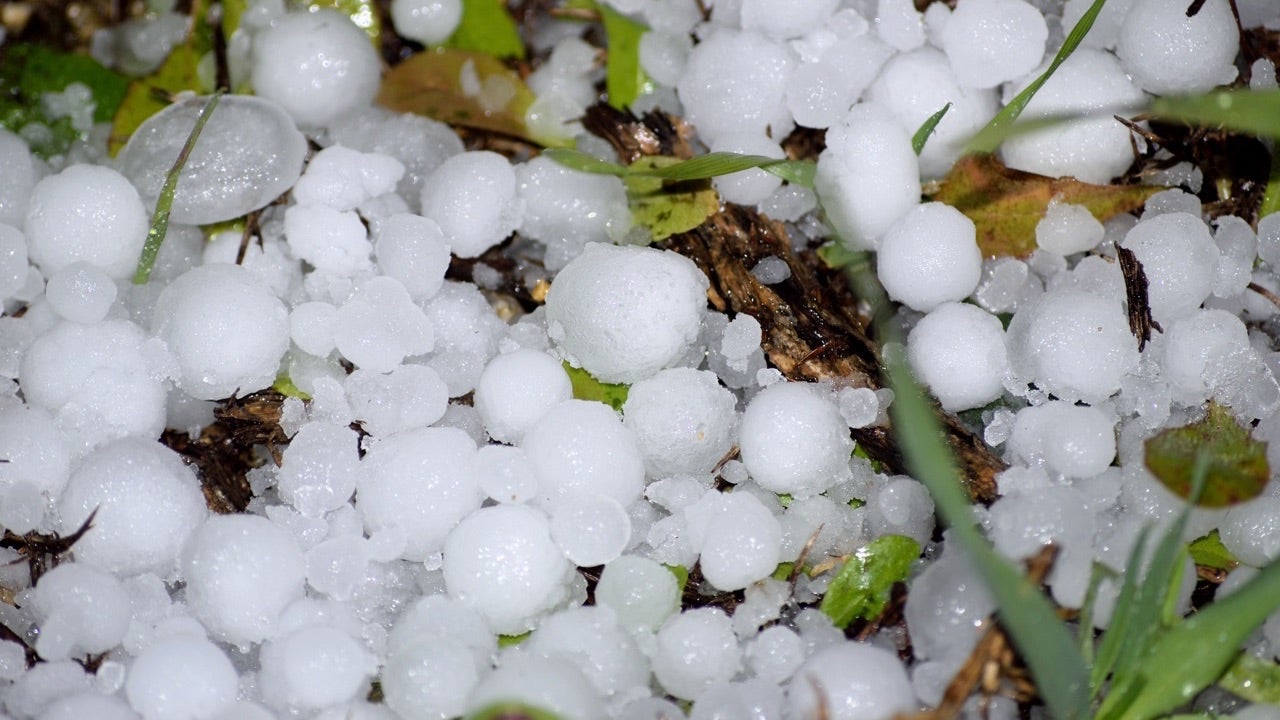
"There's a whole host of diseases that can flourish in wet/warm weather. So it's always something to keep an eye on, too. We've had some hail damage in the area and that opens plants for more disease pressure, and it's the perfect environment for that,” Dempsey said.
It also means some farmers will have to re-plant their fields.
University of Illinois crop specialist Mike Roegge says parts of Illinois are further along than other areas for planting conditions.
"Many of the parts of Illinois are much further advanced as far as planting conditions, you look to the West in Missouri, and they’re way behind on soybean planting. They're only 30% planted at this time, and we'd like to be 100% planted at this point in time. But they've been getting rain longer and more frequent than what we have so not a good situation to be in,” Roegge said.
Roegge said the five inches of rain in the past three weeks means our area could stand to go without rain for about 10 days.
"The excess moisture in the soil is causing both soy and corn bean roots to decline. No oxygen means those plant roots cannot survive. In addition to corn, because the soil is saturated, microbes are breaking the nitrogen down so we're starting to loose nitrogen in the corn crop. Loss of nitrogen is going to mean loss of corn fields. So it's a double whammy for corn. Neither one of the crops are growing very well because of the saturated soil conditions either, so we need some sunshine and sunny days and warm days,” Roegge said.
"It always works out. We always make it somehow. Farmers are optimistic so we always hope for the best,” Dempsey said.
Roegge did say that this is something that's affecting much of the midwest, however because it is such a small portion of the world, he says it will not affect market prices.
Source - http://www.connecttristates.com/