Farm fields in Illinois, not just coastal regions, could see dramatic effects from climate change, warns a new report from the University of Illinois Institute of Government and Public Affairs.
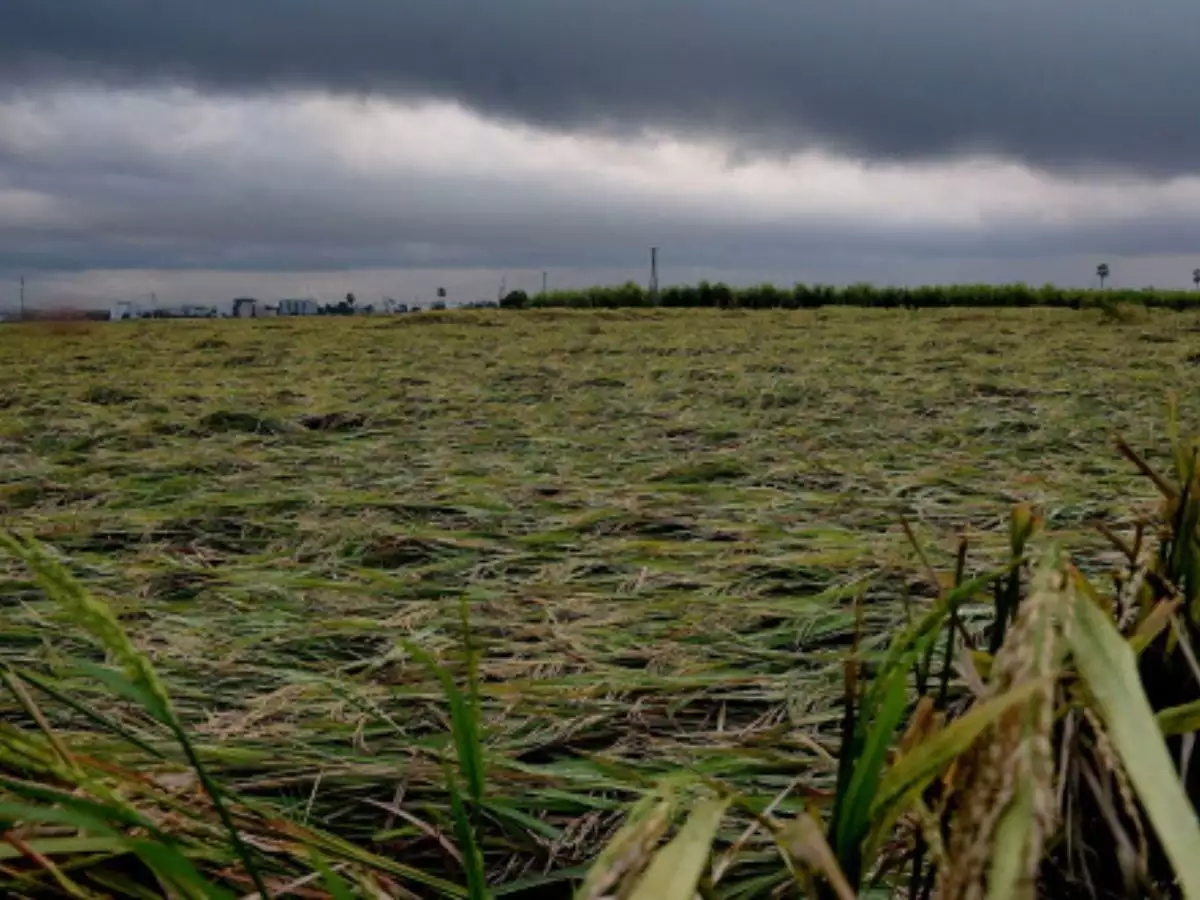
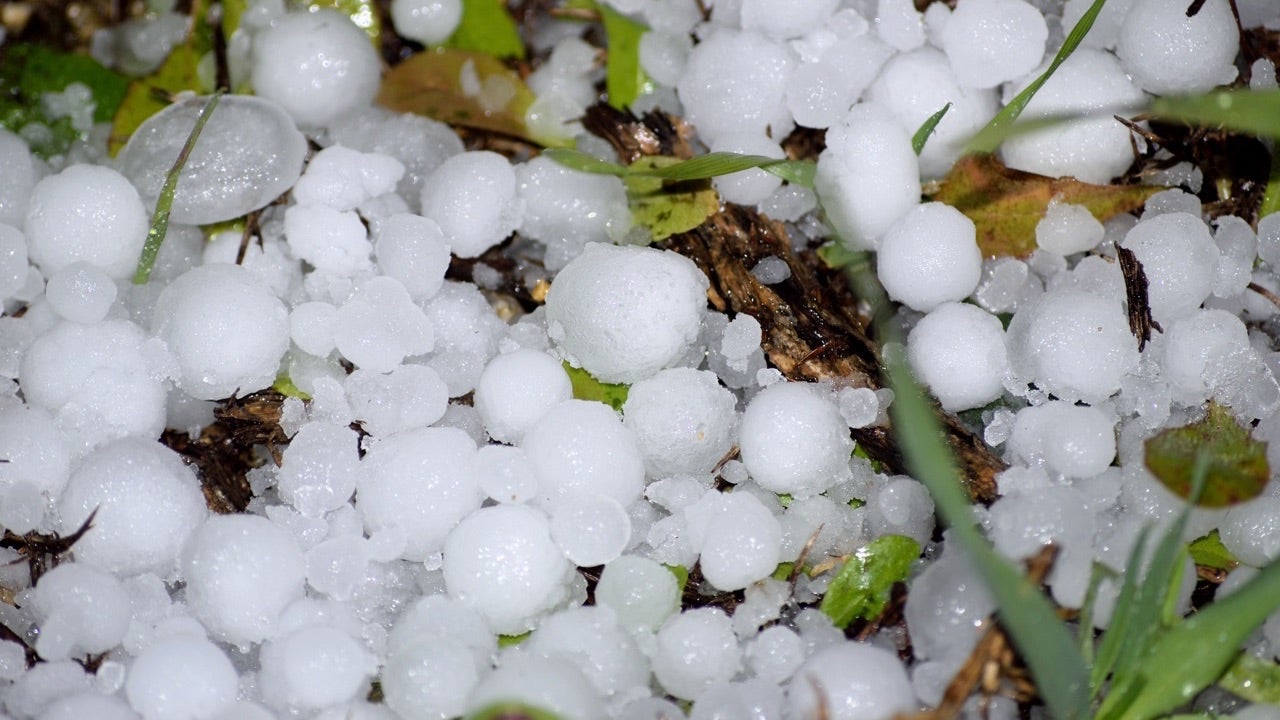
While rising sea levels may wreak havoc on islands and coastal areas, Illinois will see hotter summers, longer dry spells, wetter springs and more extreme storms in coming decades, according to the report from the institute's Climate Change Policy Initiative, released Tuesday.
That could bring more heat-related deaths, higher electricity costs, rising flood and crop insurance prices and lower crop yields for Illinois farmers, the report said.
"Preparing for climate change in Illinois: An overview of expected impacts," calls for a statewide climate action plan to manage the predicted consequences. Among the steps suggested: investing in new electricity production, raising gasoline taxes to encourage fuel-efficient vehicles, and improving the state's water infrastructure to handle periods of both flooding and drought.
The impact on agriculture — a $12 billion-a-year state industry — could be significant, says co-author Kathy Baylis, UI associate professor of agricultural and consumer economics.
Among the projections:
— The average yearly temperature for the state, now at 52 degrees, will rise by 5 to 10 degrees, though the "variability in temperatures and extreme weather events" is more critical.
— Most of Illinois will experience at least 10 more days with temperatures above 95 degrees. That would lead to a 15 percent average crop yield loss in the next five to 25 years, and a potential 73 percent loss by the end of the century.
— Though rainfall predictions are less precise, models show spring rains increasing by up to 10 percent in central Illinois, which could disrupt the planting season. Summer rainfall could drop by up to 20 percent during the growing season, when rain for crops is needed most.
— Crop and flood insurance rates are likely to rise, due to increased losses and damage from extreme weather. Almost 250 million Illinois buildings are located in flood plains.
— The state's groundwater supply could decline, prompting a need for water storage and irrigation systems, now used for just 2 percent of Illinois farmland.
Baylis said Monsanto and other large agricultural producers are already responding by developing more drought-resistant seeds, and farmers recognize that the future could bring more "severe weather events."
"We haven't quite come to grips with what that could mean in terms of farm income, the rural economy," she said.
The report also found:
— By mid-century, hotter temperatures will result in 300 more "cooling degree days" per year, a measure of demand for air-conditioning. That would raise the risk for heat-related strokes for those without air-conditioning. However, winter days might also become warmer, reducing the demand for home heating and health problems caused by the cold.
— Higher air-conditioning use will strain the electric power system and push up the price of electricity. That, in turn could require new power plants.
— Hotter temperatures could worsen air pollution, raising ozone levels and putting people at risk for lung damage and asthma.
The report recommends creating an advisory committee to begin outlining solutions, which could be complex and require "tradeoffs."
Given the precarious state budget climate, how likely is it that the state will take up this issue?
"The point is to try to put it before the policy makers to start thinking about it," said co-author Don Fullerton, UI finance professor.
"You might not feel the effects for 10 to 20 years, but the problem is it will take 10 to 20 years to build the infrastructure necessary to deal with the problem," he said. "They should start acting now."
To climate change skeptics, Fullerton said the only uncertainty is how much the climate will change — not whether it will. It will depend on continued carbon emissions and whether governments address the problem, he said.
Heat advisory
If you think it's been toasty lately, wait till the year 2041, when most Illinoisans will have to slog through more than twice as many 95-plus-degree days as we do now.
"In fact," say the authors of a UI study released Tuesday, "the average Chicagoan is likely to experience more days above 95 by mid-century than the average Texan does today."
Source - http://www.news-gazette.com/