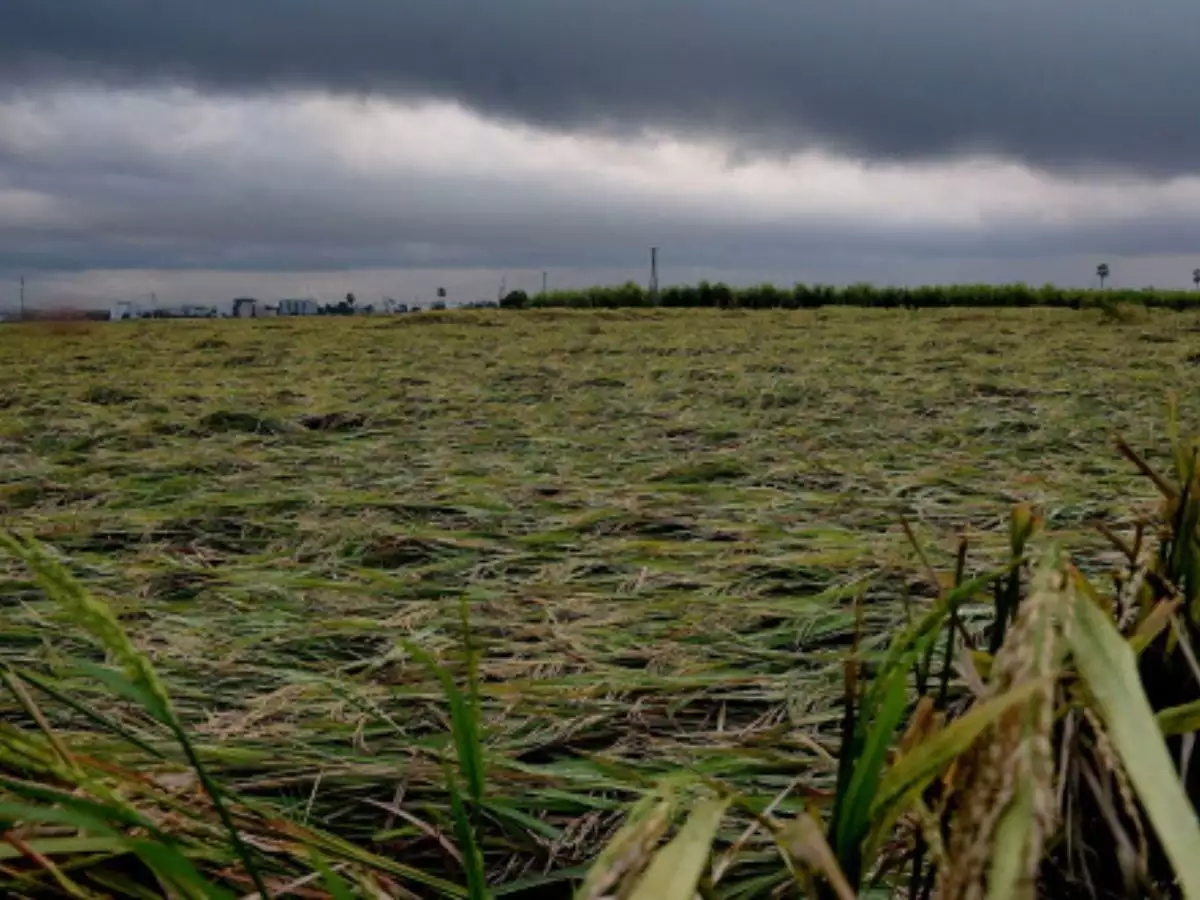
With many northern Indiana counties receiving torrential rains and flooding, farmers should be prepared for possible losses.
The Purdue Extension Office said in a release the downpour has caused flooding in some low-lying farm fields and left standing water in poorly drained areas. This hurts the growth of newly planted crops. It can also hurt the ability of corn to survive.
Corn specialist Bob Nielsen said young corn can survive about four days in standing water if the temperature is relatively cool. The risk increases the longer the plant is under water.
"Plants that are only partially submerged may continue to photosynthesize, albeit at limited rates," he said.
Even if the rain stopped, conditions would not improve for plants.
"Everything is shallow-rooted," Nielsen said. "If the spigot is turned off tomorrow, we would rapidly move into drought stress."
Soybeans, which are typically planted later than corn, could be especially vulnerable to flooding since plants are less developed at this time.
"In the areas I have seen there has been a lot of standing water," said soybean specialist Shaun Casteel. "There is going to be nitrogen stress on plants that are under water."
While it is too late in the season to replant damaged corn crops, the release said soybean growers could still decide to start over without losing any federal crop insurance coverage, but only if they act quickly, said Michael Langemeier, an agricultural economist specializing in crop systems.
The final date for planting soybeans with full insurance coverage is June 20. After that there is a 25-day late planting period where coverage drops 1 percent per day. Langemeier said in the release farmers can't just write off flood-damaged fields.
"For insurance purposes, you need to make a good-faith effort to save the crop," Langemeier said.
Source - http://www.fox28.com/