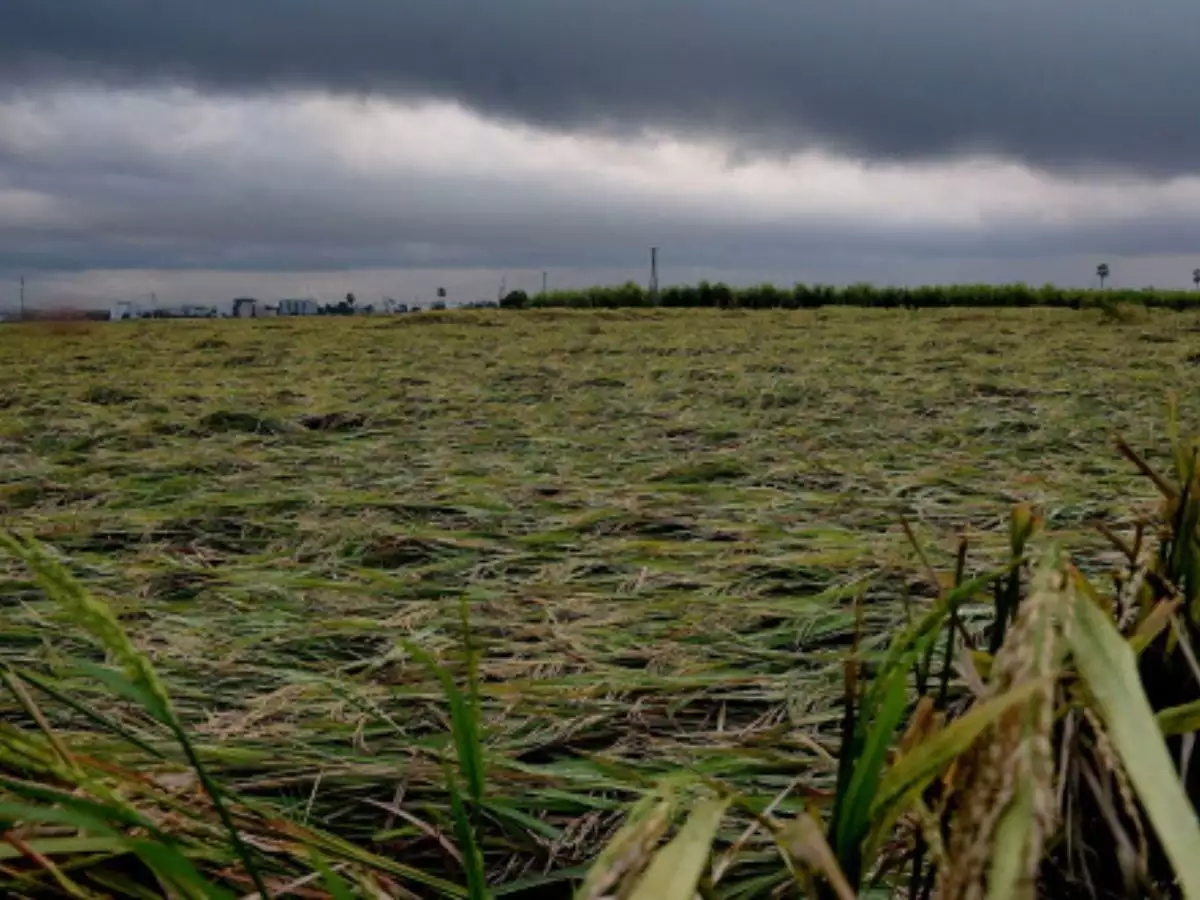
Farmers across Texas and surrounding states are now worried, after their flood-soaked fields have left little to nothing to harvest.
The flood of 2015 has cost them millions of dollars in lost revenue.
A normal hot summer day in June for Farmer Jorg Keller would be getting the ground ready for planting soy beans.
Instead, he's cleaning-up after floodwaters of the raging Red River.
"You throw your heart and soul into it. We've worked many 15 to 18 hour days planting this stuff out here, and then it gets wiped out in a matter of a day or two," said Keller.
Just when it seemed as though the long Texas drought was coming to an end, he was left with next to nothing for the season.
"If it hadn't been for the flood, we were set up for a bumper crop," explained Keller.
There were about 40 farmers and ranchers in Bowie County that were affected by the Red River flood.
USDA officials say more than 50,000 acres of farmland was flooded, including Keller's 5,000 acres north of Texarkana.
"The majority of it will be 100 percent loss, as far as the corn crop, there's nothing to salvage," said Keller.
At the height of the flood, both Keller's corn and wheat crops were covered in about 7 feet of water.
He says one of the biggest differences between this season's flood and the flood of 1990 has been timing.
"If it had been three weeks earlier, we wouldn't have had all our chemicals and fertilizers on our corn crop," explained Keller.
Also, if it had been about three weeks later, Keller says the wheat would have already been harvested.
Nearly 3,500 acres of Keller's land is row crops.
"The river came through and swept out everything in its path and deposited alot of the wheat on the fence," said Keller.
Only about 10 percent of his wheat can be salvaged. The rest can be found tangled in miles and miles of fencing.
Most of the wheat still on the ground is covered in a thick layer of silt and sediment.
Keller moved into the river bottoms in the late 90's.
He says the Red River has been both a blessing and a curse.
"I think part of what made this ground so fertile and productive is the floods over the last thousands of years," said Keller.
According to the USDA, estimates for Bowie County alone are about $28 million in lost revenue for row crops, hay and pasture land, clean-up and feeding cattle.
Keller says crop insurance will only cover about 30 percent of his losses.
He's hopeful that federal assistance will come through to help all Texas farmers.
In Southwest Arkansas, more than 260 farmers in Lafayette County and about 30 farmers in Miller County were impacted by the flooding.
Arkansas Governor Asa Hutchinson has written a letter to the Secretary of Agriculture requesting emergency loans for farmers impacted by the flooding.
Source - http://www.ktbs.com/