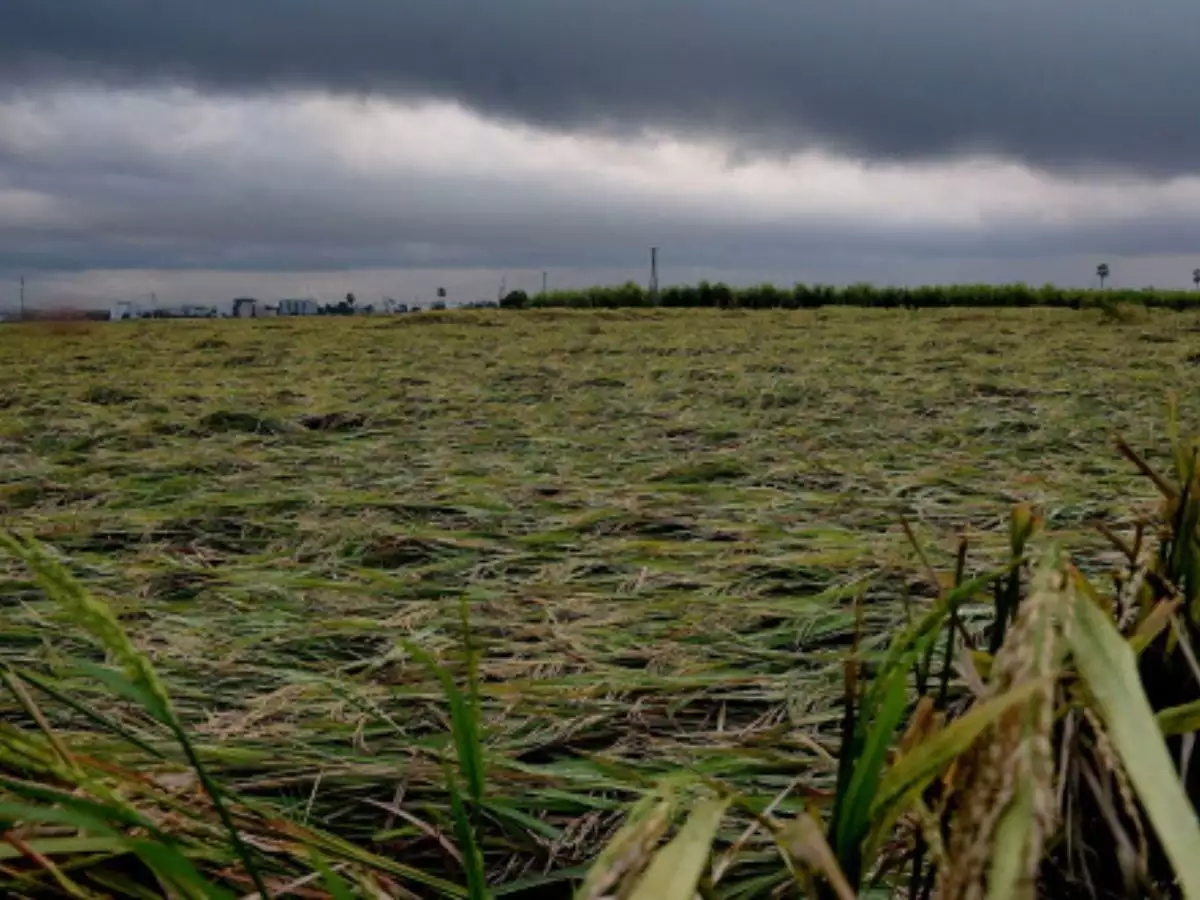
Heavy rains expected Friday and into the weekend have farmers on edge, worried they could loose hundreds of acres of crops. "I'm looking at a $15,000 to $20,000 loss," said Randy Anderson, a farmer in Saline County. Unfortunately, there's not much farmers can do about it. Rain could over saturate the ground and drown crops in some cases. Forecasters say parts of southern illinois could see between three and six inches of rain. That could cause various rivers and creeks branching off from the Ohio River, to spill over into crop fields. Like a sinking ship, if crop fields take on any more water, farmers say they'll go under. "We're looking at a couple hundred acres here that is going to be significantly affected by this year's rainfall," Anderson said. Anderson admits bad weather comes with the job. But he calls this year unusually wet. It's kept his crops from growing properly and could stop them from growing at all. This coming rain could potentially bury Anderson's crops under five feet of water. Spillover from nearby creeks, already filled from rain earlier this week, could ruin soybeans Anderson planted just two weeks ago. "They're going to drown because those soybeans are a plant. Just like trees, they need to breathe," Anderson said. Anderson says he may have to re-plant hundreds of acres of soybean crops - that would cost him $20,000. "It gets depressing," Anderson said. Jim Anderson - no relation to Randy - faces many of the same issues, and has kept a close eye on his corn crop. "The longer the water stays on the soil or stays saturated, you loose a lot of nitrogen," Jim Anderson said. Nitrogen provides nutrients to help the corn grow. Rain this year has already stunted growth in some of his crops, both above the soil and below. Short roots could pose a big problem - should conditions become dry later this summer. "They've never had to work for moisture they've never had to put that root very deep in the ground," Jim said. And with more rain on the way, it looks like they may not have a chance. "At this point, there's not really much we can do as farmers," Jim said.
Source - http://www.wsiltv.com/