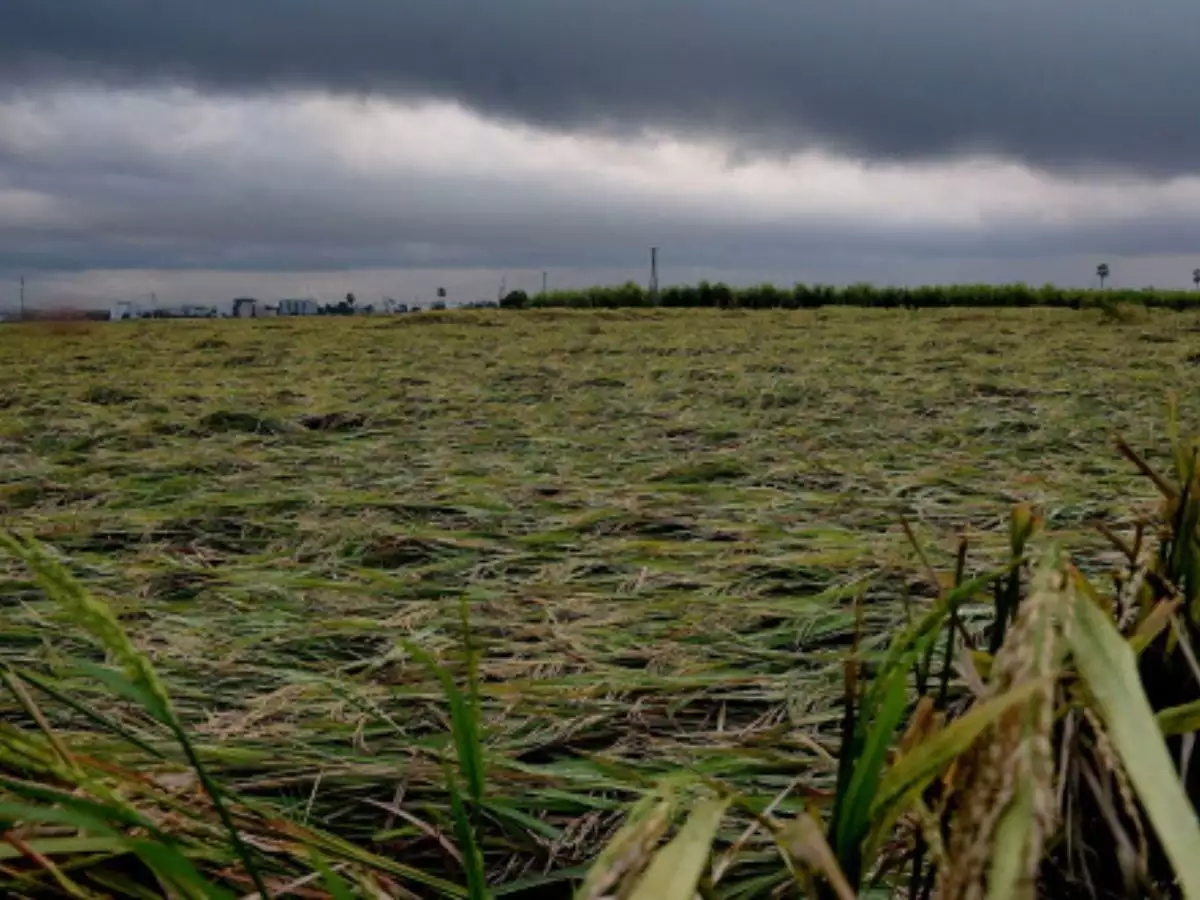
Wet conditions this spring have made it difficult for crop farmers to plant, according to Jill Scheidt, agronomy specialist with University of Missouri Extension.
According to the National Agriculture Statistic Service, for the week ending on June 14, there were only three suitable field work days.
Corn planting progress is 90 percent complete, compared to 99 percent complete last year. Soybean planting progress is 30 percent complete, compared to 80 percent complete last year. Forty-eight percent of corn is rated as in fair, poor or very poor condition.
"Saturated soils and standing water in fields may cause producers to consider replanting corn and soybean fields," said Scheidt.
Before a replant decision is made, determine the cause of sparse stand, stand density and condition, yield potential of sparse stand and if replanting will pay for itself.
"Producers also need to estimate the expected gross revenue from the sparse stand, cost to replant, and yield potential and gross revenue from a replanted stand," said Scheidt.
Corn potential
Corn yield potential decreases the later in the season it is planted. After June 10, yield potential is reduced about 32 percent.
"If corn still needs to be planted, do not switch to a shorter season variety as corn will progress through stages quicker with warmer temperatures," said Scheidt.
According to Scheidt, deficiencies are showing up in corn fields due to water saturated soils. Some deficiencies are only temporary, like sulfur, identified by chlorosis between leaf veins. These temporary deficiencies will fade once soils are less saturated.
Nitrogen deficiency, identified by a general yellowing of the leaves, may or may not be temporary depending on the amount of rain soils receive. If corn does not green up after 5-7 days of dry weather, it is likely in need of additional nitrogen applications.
According to the Nitrogen Watch, southwest Missouri is on track to have 17 or more inches of rainfall from April 1 to June 30. Producers should be aware of the potential for nitrogen loss and deficiency.
"Rapid nitrogen uptake in corn occurs around the 8-leaf stage, so nitrogen should be applied just before this stage to gain the most benefit," said Scheidt.
If additional nitrogen is needed, it can be applied to corn up to the tassel stage for corn to still gain a yield benefit.
Wheat disease
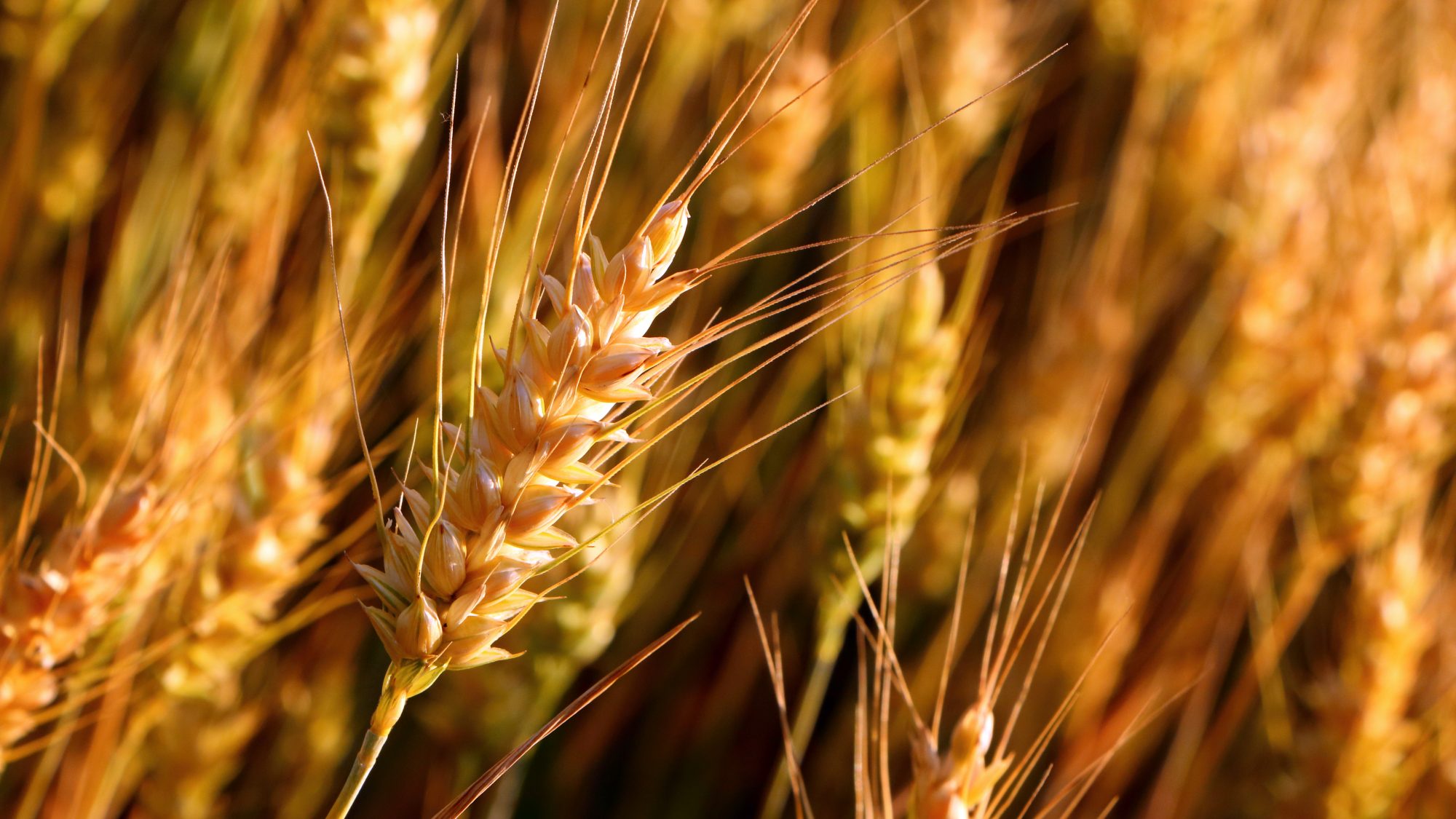
Foliage diseases due to prolonged moisture on leaves might reduce wheat yield if a fungicide was not applied to protect the flag leaf, as it accounts for 75 percent of grain fill.
Fusarium head scab, encouraged by warm, humid weather during flowering, is present in many wheat fields, identified by a pinkish fungus on kernels, and contaminated grain may be discounted at the grain elevator.
"If wheat is fully mature but not yet harvested, rain can reduce the test weight due to swelling, but rain during the soft dough stage will not affect test weight," said Scheidt.
Wheat will re-shrink after swelling, but not to the previous size, leaving the grain with the same dry weight, but more volume, decreasing the test weight. Timely harvest is important as test weight will continue to drop with each re-wetting and drying cycle.
Soybean planting
Soybeans favorable planting conditions in southwest Missouri are from May 1 to June 10. After June 10, yield potential drops 16.5 percent and continues to decrease as the month progresses.
Source - http://www.news-leader.com/