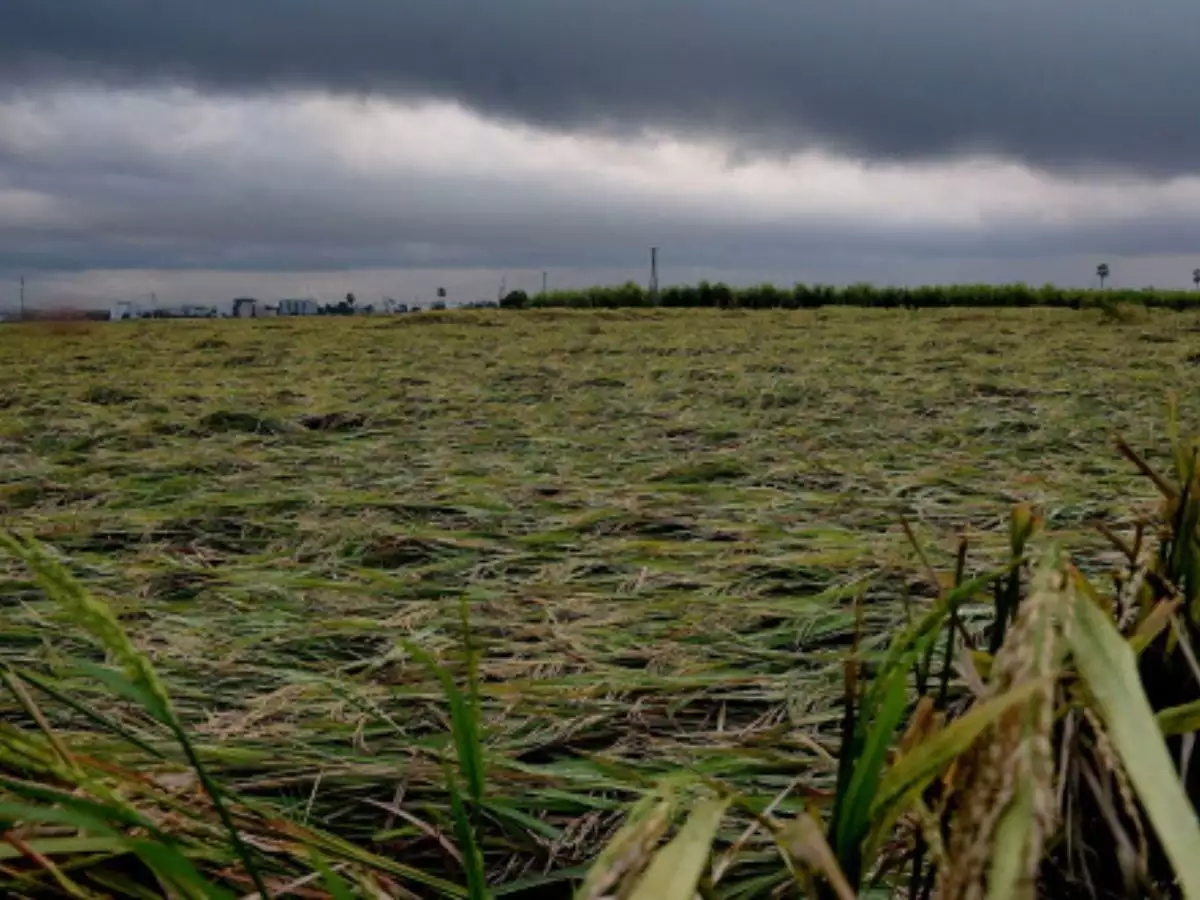
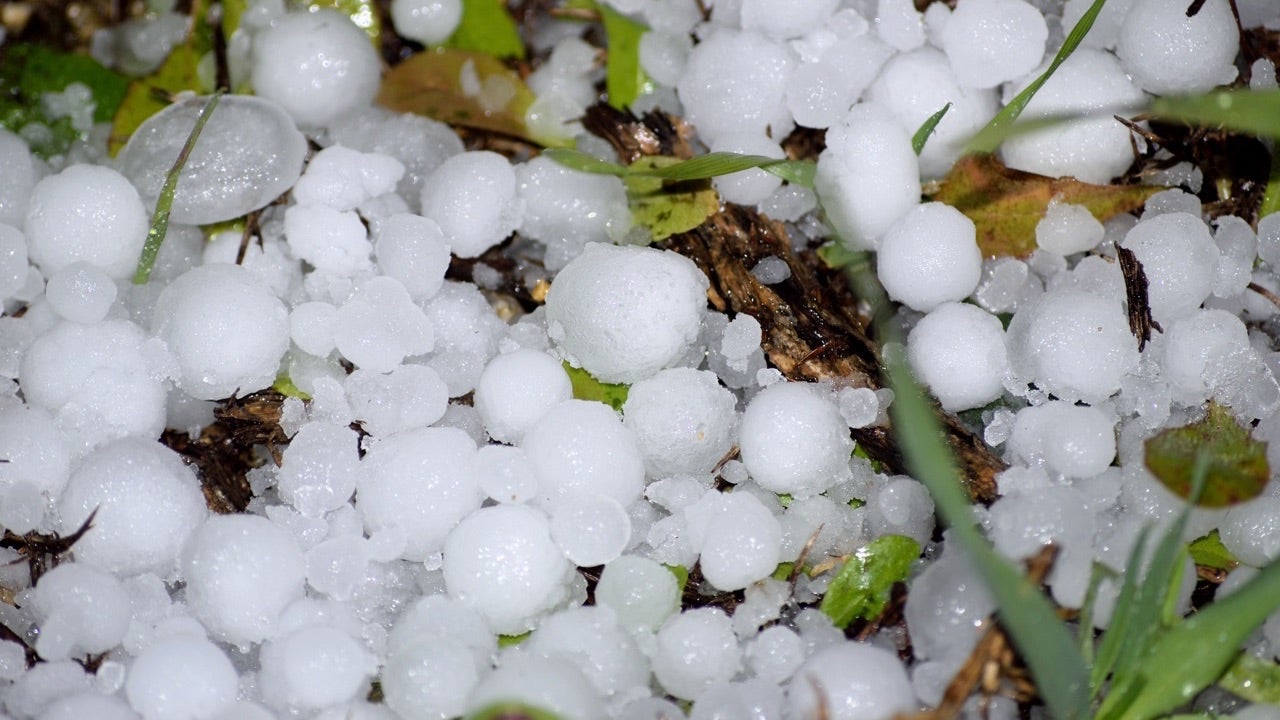
Moroccan citrus growers were confronted with adverse weather conditions in the main production areas. At the beginning of the season, there was little rain, while during harvest heavy rainfall and floods slowed down the harvest. According to figures from the Moroccan Ministry of Agriculture, the harvest will reach 1.9 million tonnes this season, 14.3 percent less than in the 2013/14 season.
The volume of oranges is estimated at 868,800 tonnes. For mandarins, the expectation is 1 million tonnes. For other citrus, a total volume of 34,300 tonnes is expected. The decrease in volume is partly attributable to the production cycle of the trees, following an exceptionally large harvest in the previous season. The weather also negatively affected the production. According to various sources, the production ends up lower than the ministry’s estimates, USDA says in its report. Plantations in Agadir incurred losses of forty to fifty percent for Clementines. Estimates for the 2014/15 season mention a total citrus volume of 1.7 million tonnes, including 750,000 tonnes of oranges, 925,000 tonnes of mandarins and 25,000 tonnes other citrus.
North Morocco offers potential for growth The most important cultivation area is in the Souss, Agadir and Taroudant region, where about half of the Moroccan citrus is grown, representing seventy percent of the export. This area was hit by drought in the past two years. This has caused expansion plans to be delayed. On the other hand, the Gharb region, in North Morocco, has more potential. Around Kenitra and Sidi Kacem, production can grow, but most of the existing orchards in this region are outdated. In addition, a limited number of varieties are grown, and not enough investments are being done. Due to the water shortages in Souss and the export potential, Gharb is attracting growers who see the potential in the region.
Tristeza biggest challenge Most of the mandarins consist of Clementine varieties like Nules, Deverdis and Late Clementine. Valencia Late (Maroc Late) and W. Navel are the most grown orange varieties. One of the objectives of the Green Morocco Plan is to increase the citrus production to 2.9 million tonnes until 2018. The export is to increase to 1.3 million tonnes. The Moroccan Association of Citrus Producers (ASPAM) is responsible for carrying out the plan. The focus is on season extension by planting late varieties like Nadorcott and Nour.
The biggest challenge for the Moroccan citrus cultivation is the Tristeza, a disease that kills infected trees. Particularly citrus varieties that were grafted onto the Bigaradier rootstock are susceptible to the disease. Around 95 percent of the Moroccan citrus trees are grafted onto this root. In order to bring the disease’s spread to a halt, the government is offering support to growers, for instance with a reimbursement for felling and burning infected trees, and to plant new trees.
Source - http://www.freshplaza.com/