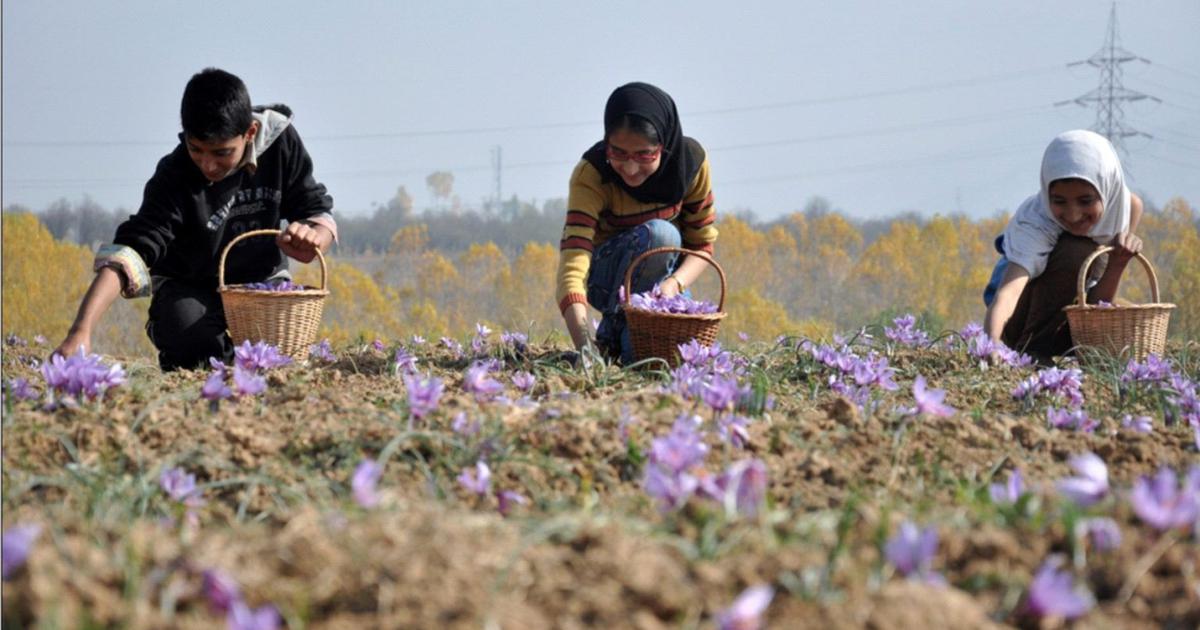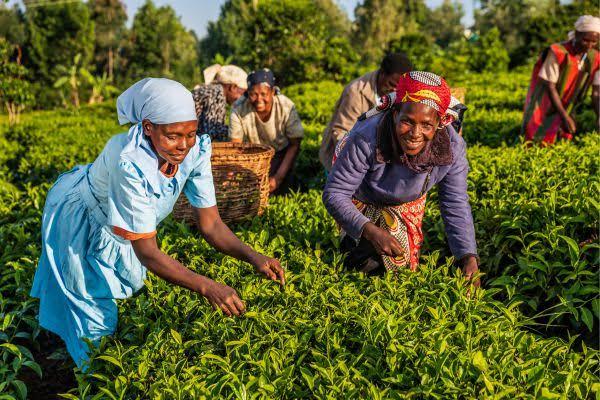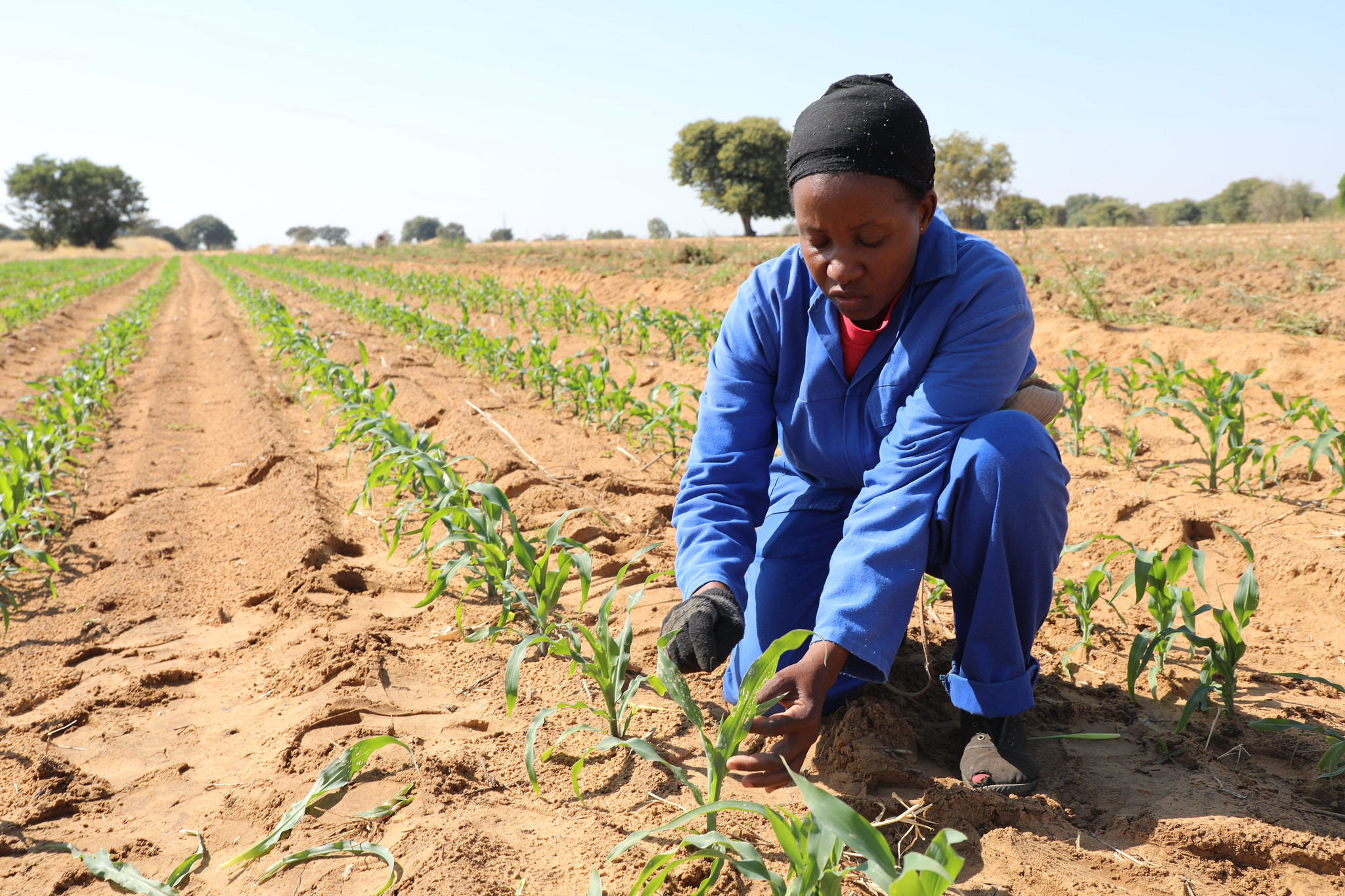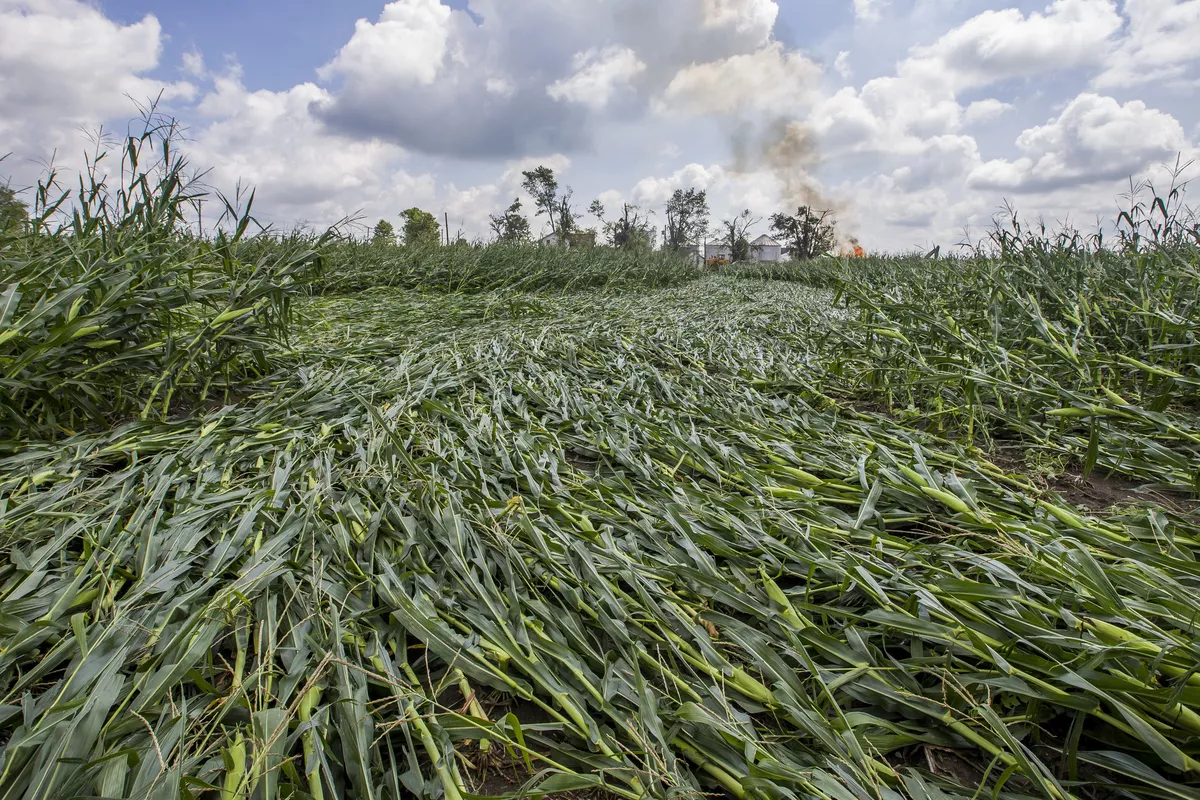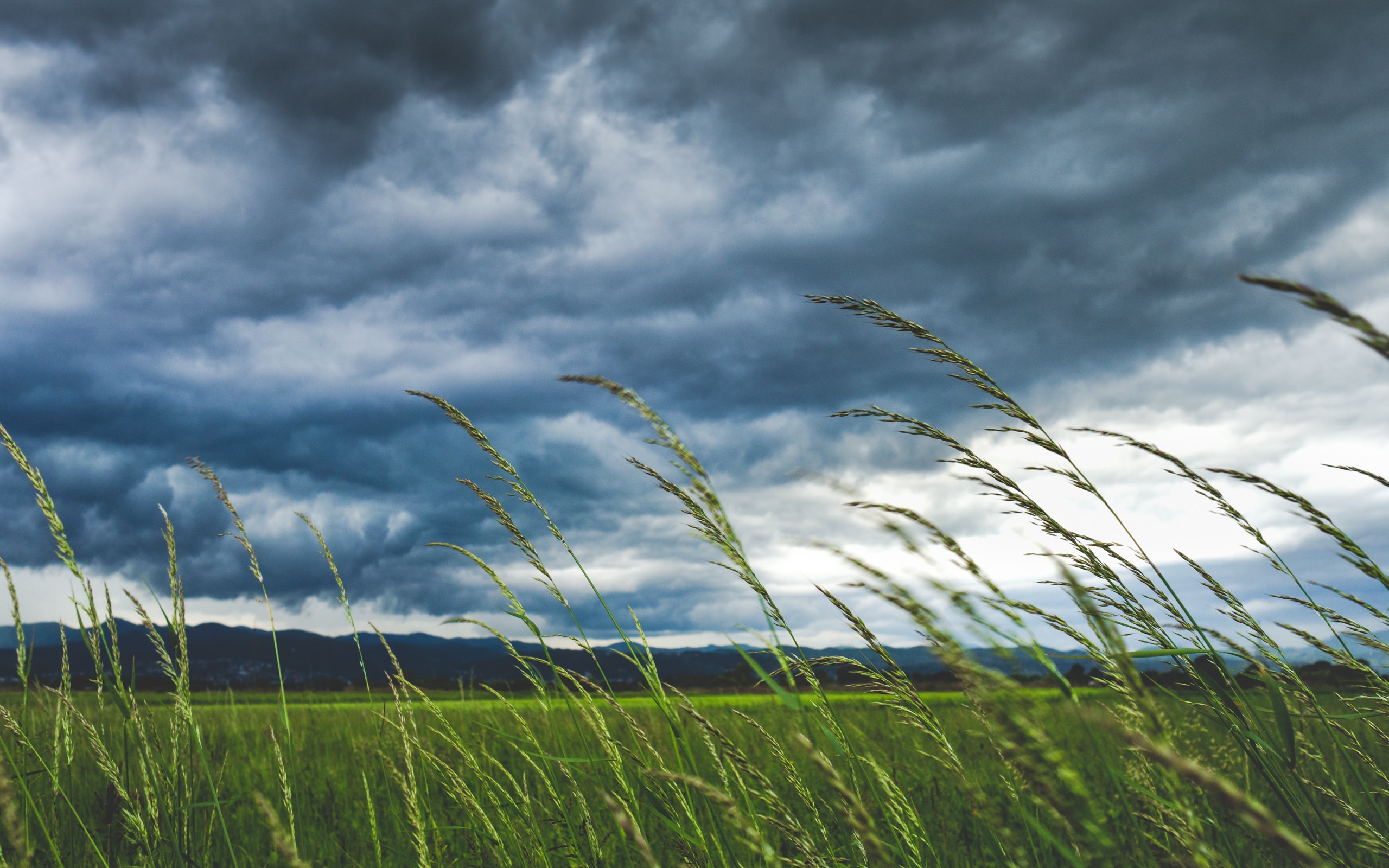
It’s important to acknowledge the challenges that farmers face in order to produce our food, despite the fact that we benefit from their hard work. Farming plays a crucial role in feeding the world’s population, but it faces various challenges that can affect the farmers’ incomes. These challenges include unpredictable weather patterns and market competition.
Farmers play a vital role in providing us with food, and it’s important to be aware of the challenges they encounter. By acknowledging these obstacles, we can work towards finding solutions and supporting farmers. This article will examine some of the AI solution for farmers today.
This is an overview of the use of AI in agriculture.
Agriculture is essential for human survival, providing food and resources. But with the global population projected to reach 9.7 billion by 2050, meeting the demand for food is becoming harder. Artificial intelligence (AI) can help. AI can revolutionize agriculture by making it more efficient, sustainable, and profitable. In this article, we’ll introduce AI in agriculture and look at its benefits and applications.
AI technology is utilized in agriculture to automate and optimize farming operations through the use of machine learning algorithms, computer vision technology, and IoT devices such as sensors and drones. This data analysis provides valuable insights that can enhance sustainability, reduce waste, and improve crop yields.
The advantages of implementing AI technology in agriculture.
AI has numerous benefits in agriculture. It helps farmers make data-driven decisions, which can increase crop yields, lower production costs, and reduce water usage. It also detects and prevents diseases and pests, reducing the need for harmful pesticides and herbicides. Additionally, AI optimizes supply chain management by predicting demand and managing logistics and inventories.
The use of AI in agriculture has various applications.
Agriculture has many uses for AI. One of the main applications is precision agriculture. Precision agriculture collects data on soil moisture, temperature, and nutrient levels using sensors and drones. Machine learning algorithms analyze this data to provide insights for farmers to optimize their practices.
Artificial intelligence technology has been adopted in the area of livestock management. Devices attached to animals are capable of gathering information about their well-being, conduct, and output. The collected data is analyzed to produce valuable knowledge that can assist farmers in enhancing animal nutrition, reproduction, and disease control methods.
Benefits of AI for farmers
Artificial Intelligence (AI) is revolutionizing the way we live and work, and it is no different for the agriculture industry. AI is helping farmers to make better decisions and improve their yields, while also reducing costs and increasing efficiency. In this article, we will discuss some of the benefits of AI for farmers.
-
Precision Farming
AI-powered precision farming involves the use of sensors, drones, and other technologies to collect data about soil conditions, weather patterns, and crop growth. This data is then analyzed using AI algorithms to create a detailed map of the farm, which can be used to make more informed decisions about planting, irrigation, and fertilization. This can lead to higher crop yields and lower costs, as farmers can optimize their use of resources.
-
Crop Monitoring
AI can also be used to monitor crops, including detecting diseases and pests early on. This allows farmers to take action before the problem spreads, reducing the risk of crop loss. AI algorithms can also be used to predict crop yields, allowing farmers to plan their harvest and manage their inventory more effectively.
-
Predictive Maintenance
Farm equipment is expensive, and breakdowns can be costly in terms of both time and money. AI can help farmers to predict when equipment is likely to fail, allowing them to schedule maintenance before a breakdown occurs. This can reduce downtime and increase the lifespan of equipment, leading to significant cost savings.
-
Weather Forecasting
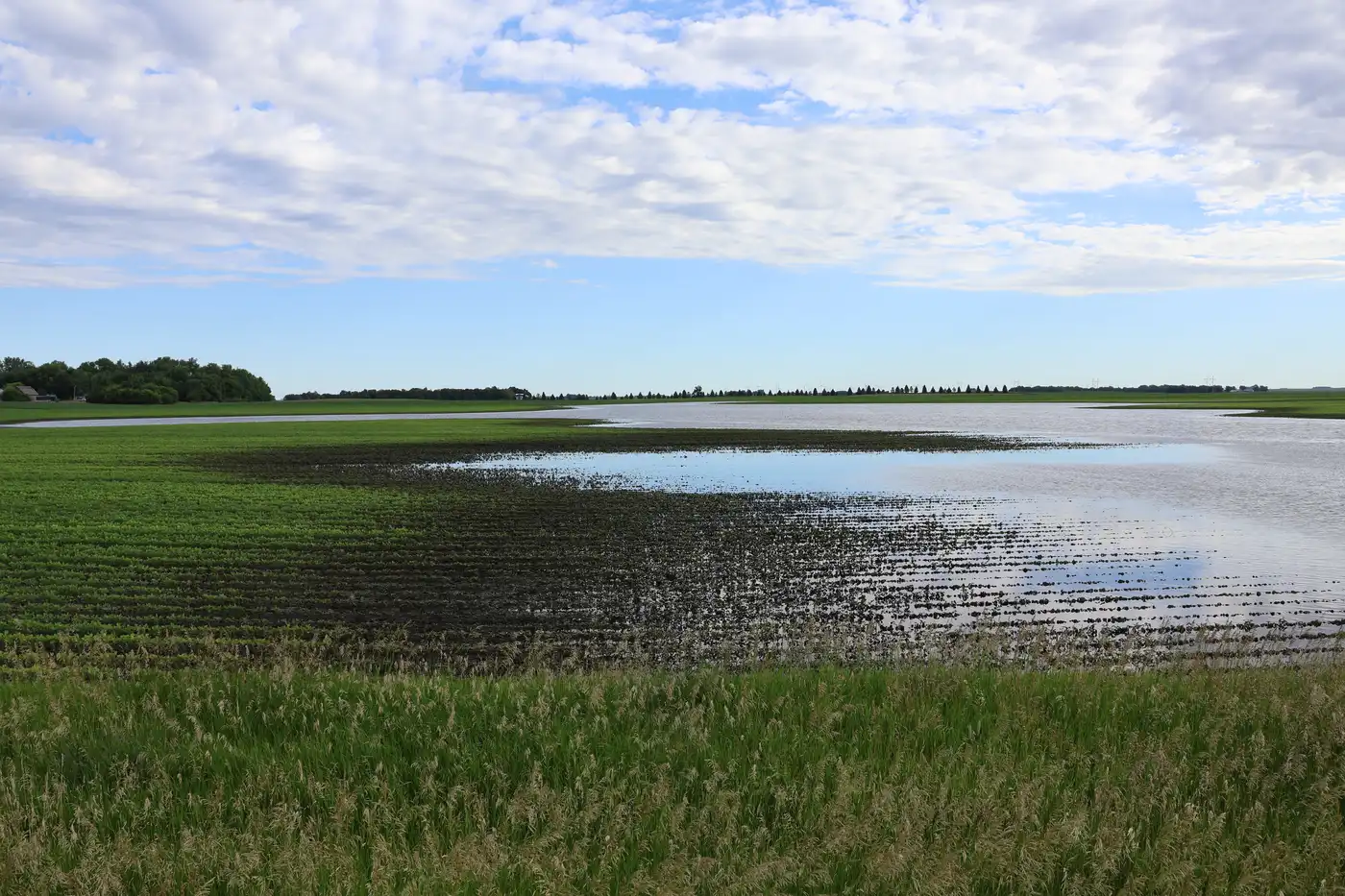
Weather plays a critical role in farming, and AI can help farmers to plan for and mitigate the effects of extreme weather events. AI algorithms can be used to analyze weather data and make predictions about future weather patterns, allowing farmers to plan their planting and harvesting schedules accordingly. This can reduce the risk of crop loss due to weather-related events such as droughts or floods.
Artificial intelligence in telecommunications https://data-science-ua.com/industries/ai-in-telecommunications/ is helping to transform the agricultural industry by helping farmers make better decisions, reduce costs and increase yields. By harnessing the power of artificial intelligence, farmers can improve the sustainability of their operations as well as increase profits. As AI technology continues to advance, we can expect even more benefits for farmers in the coming years.
Source - https://fordhamram.com