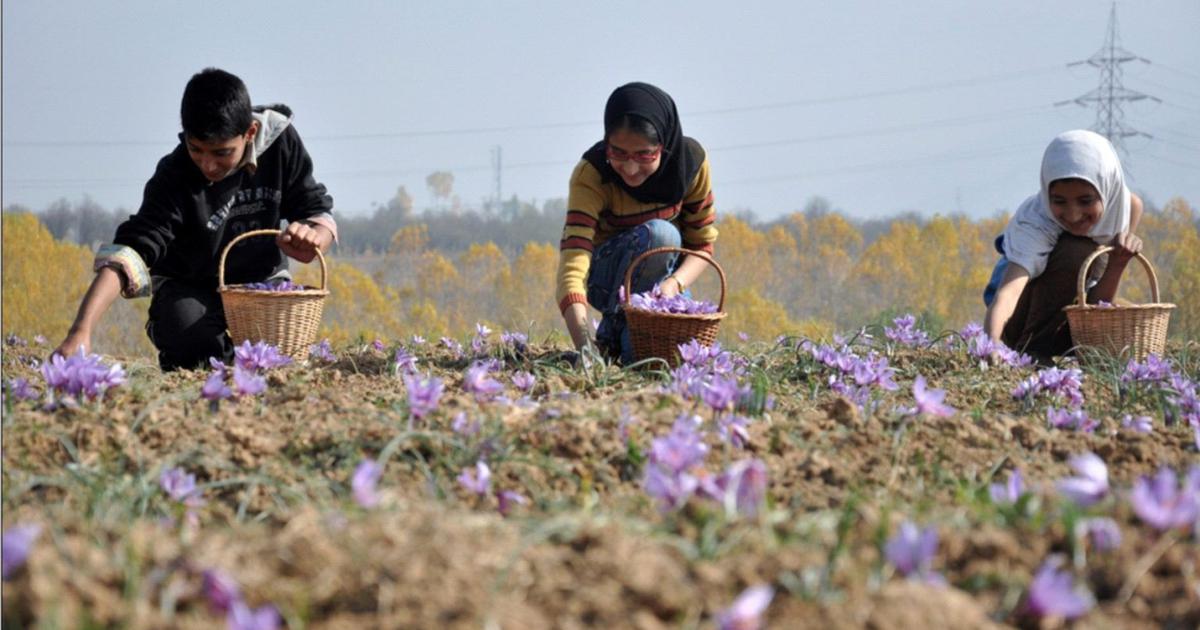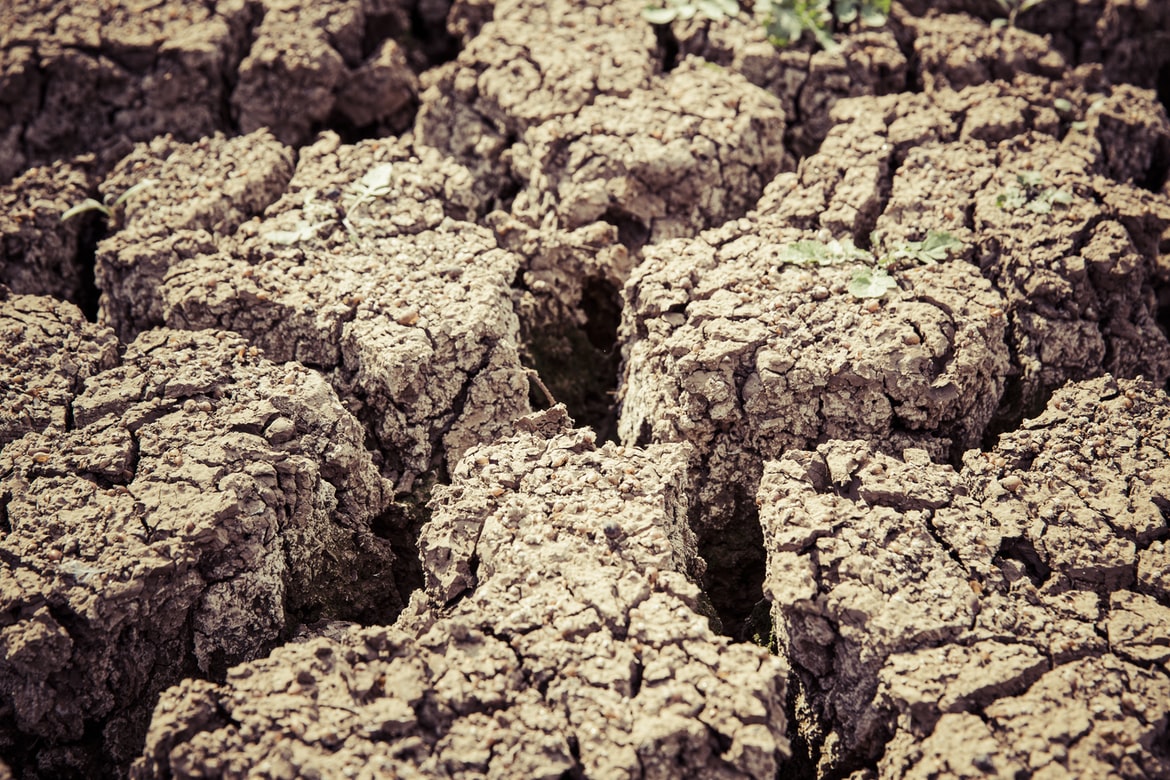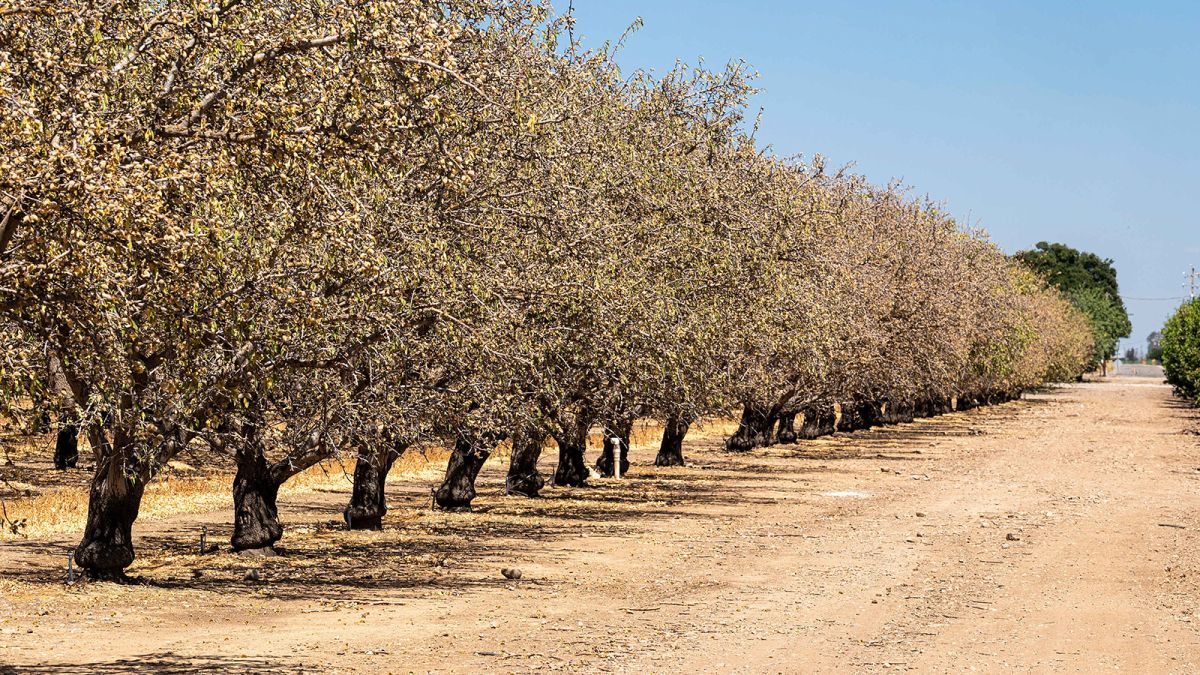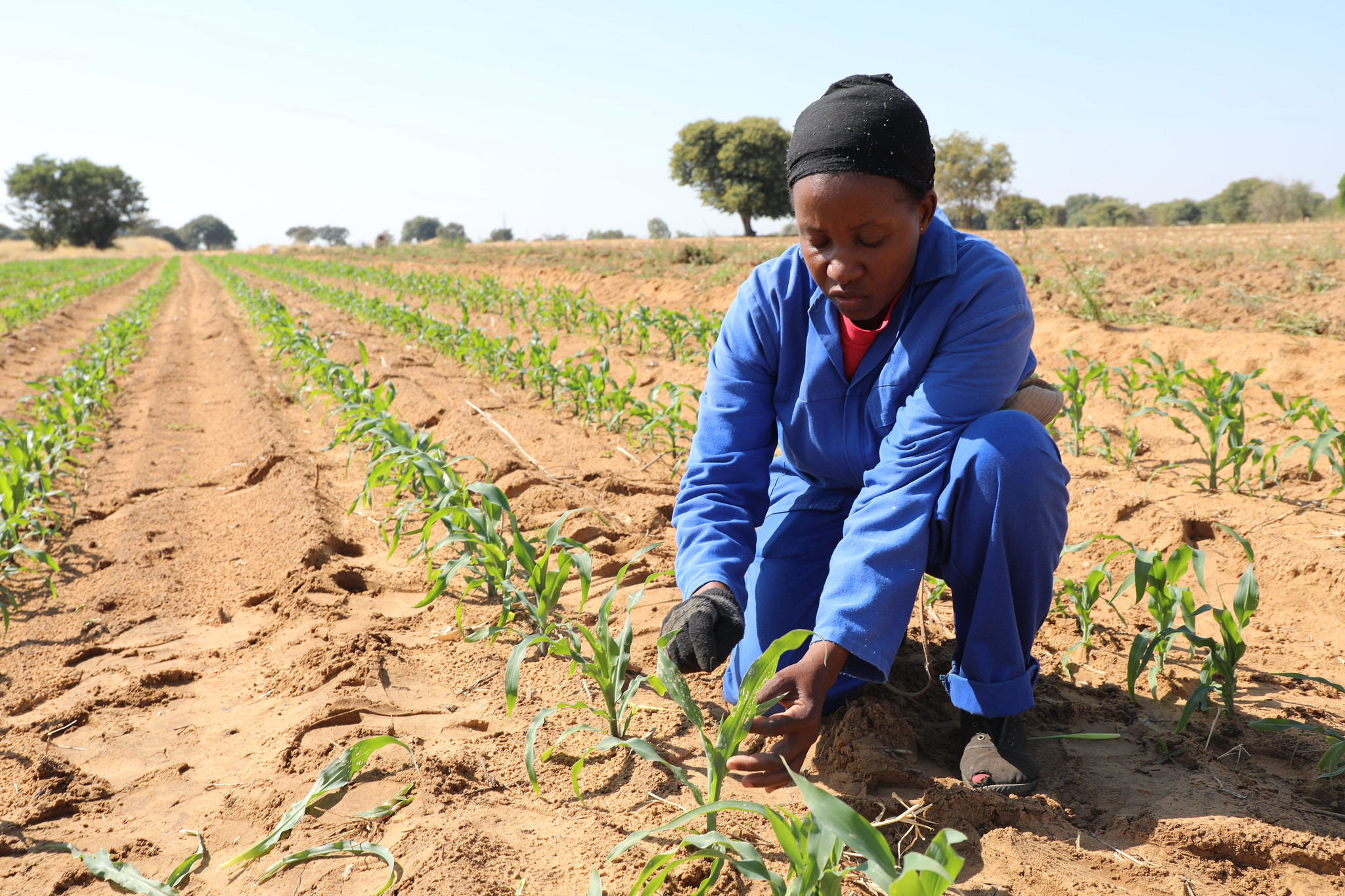
With El Niño concerns surrounding the upcoming grain production season, dryland maize farmers in Limpopo gathered to learn how weather index insurance from Santam can help protect them against the financial risks of erratic rainfall and drought.
The farmers, who participate in Grain SA’s Phahama Grain Phakama (PGP) mentorship programme, met at Vleeschboom PCF Church in Makhuduthamaga Local Municipality, Sekhukhune district, on Friday, 21 August.
Farmers who took up the insurance when Santam introduced it nine months ago shared their experiences of receiving payouts after climate-related crop losses. Many said they intended to renew their parametric short-term insurance policies.
Elias Sekoboane, crop area manager at Santam, urged dryland maize farmers to consider crop insurance as changing rainfall patterns, prolonged droughts and heatwaves increase production risks.
“Parametric insurance guards against specific crop failures and ensures farmers do not lose their investments in maize production because of damage caused by insufficient or excessive rainfall,” he said.
The cover applies to key maize growth stages, including germination, vegetative growth, flowering, grain filling and pre-harvest dry-down.
Farmers are advised to contact Santam as soon as they plant, use reputable seed and apply the necessary fertiliser. Sound crop management practices remain essential.
Payouts triggered automatically
Unlike conventional crop insurance, parametric insurance does not require an assessor to visit the farm and inspect damage before a claim is paid. Instead, payouts are linked to independently recorded weather data, including satellite information.
“Trigger thresholds are already predefined. For instance, if rainfall falls below normal levels, resulting in drought, or excessive rain occurs during critical stages of maize growth, a payout is triggered automatically,” Sekoboane said.
Good farming still matters
Macdonald Makoro, regional underwriter for crops at Santam, reminded farmers that insurance does not replace good production practices.
Farmers should ensure their fields and soils are suitable for maize, conduct soil tests where possible and seek technical advice from mentors and extension officers before planting.
The policy does not cover every production risk. Exclusions include fire, theft, frost, hail, damage to goods or harvested crops in transit, and losses caused by locusts and other pests.
Farmers share their relief
Kabelo Uoane, chairperson of the Vleeschboom Study Group, said farming was inherently risky and farmers needed a safety net when disaster struck. Dryland maize farmers in the area often struggle to achieve potential yields because of drought and excessive rainfall, he said.
“When the weather index insurance was introduced to us last year, some of us took it up. Part of our maize crops was subsequently hit by climate shocks and failed to reach maturity because of insufficient rain.
“That triggered insurance payouts, with the amounts differing from farmer to farmer based on data provided by satellite monitoring,” said Uoane.
Maakopi Maserumule, who farms dryland maize on communal land under permission-to-occupy documents from the local traditional authority, said watching her crops wither had been deeply distressing.
“We produce maize to sell to milling companies for maize meal. If there is not enough rain, we can also face hunger,” she said. “When my crops withered last year, I was so depressed that I avoided going to the fields. Then the payout came through. Thanks to the parametric insurance policy I had taken out during the previous planting season, my energy was restored.”
Farmers refuse to give up
Joseph Segafa said he intended to take up the insurance cover and continue growing maize, which he described as both a family passion and livelihood.
“We take the insurance cover and navigate through those tough conditions ahead for the sake of food security and our livelihoods. We are not accepting defeat in the face of these threats,” he said.
Jerry Mthombothi, who runs PGP mentorship programmes for smallholder grain farmers in Limpopo and Mpumalanga, said insurance was optional but was an important risk-management tool.
“Parametric insurance protects against losses due to climate shocks and natural disasters such as drought and excessive rain. Some farmers in our study groups have already benefited from weather index policies during the past growing season,” he said.
Source - https://www.africanfarming.com