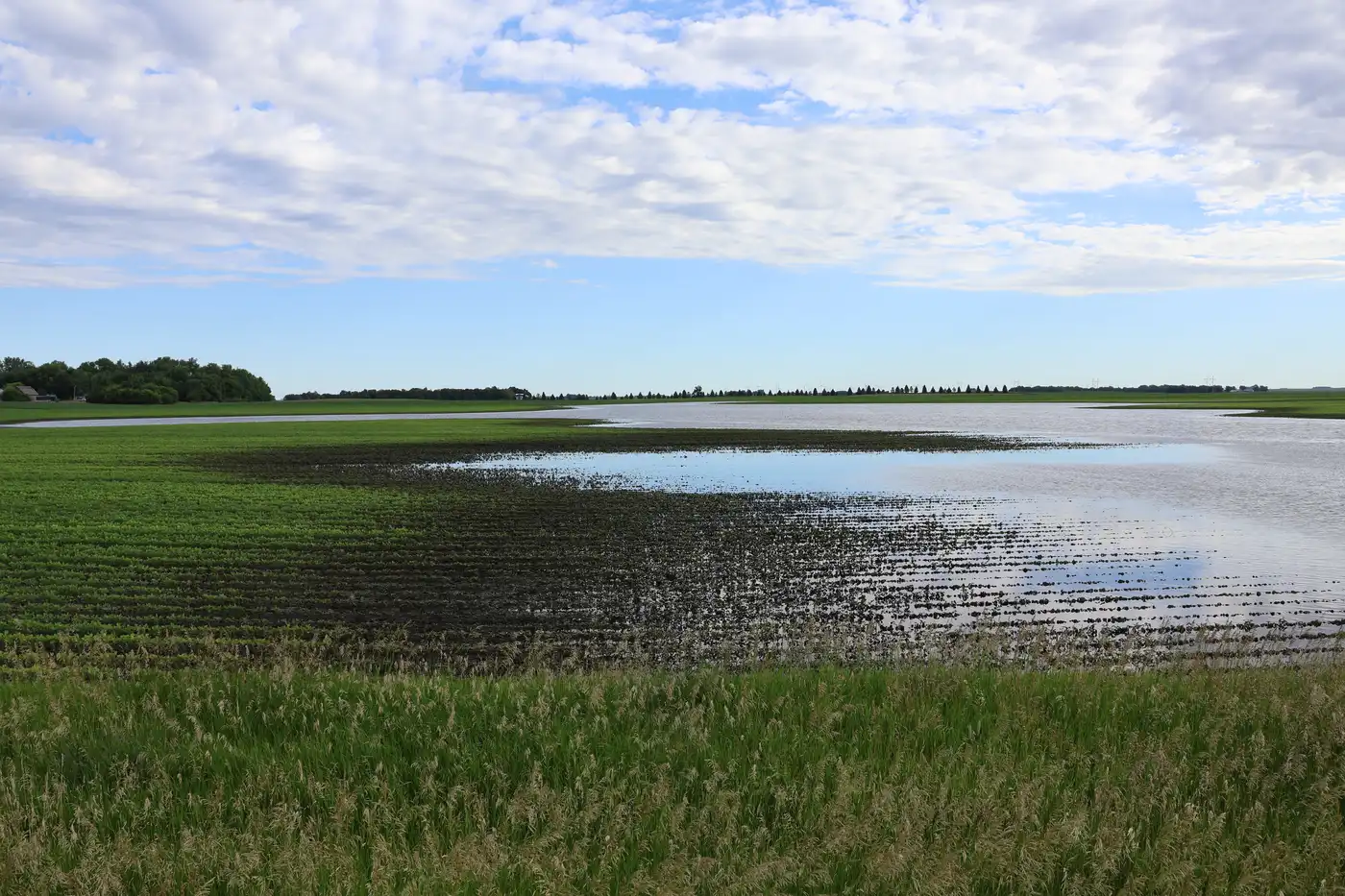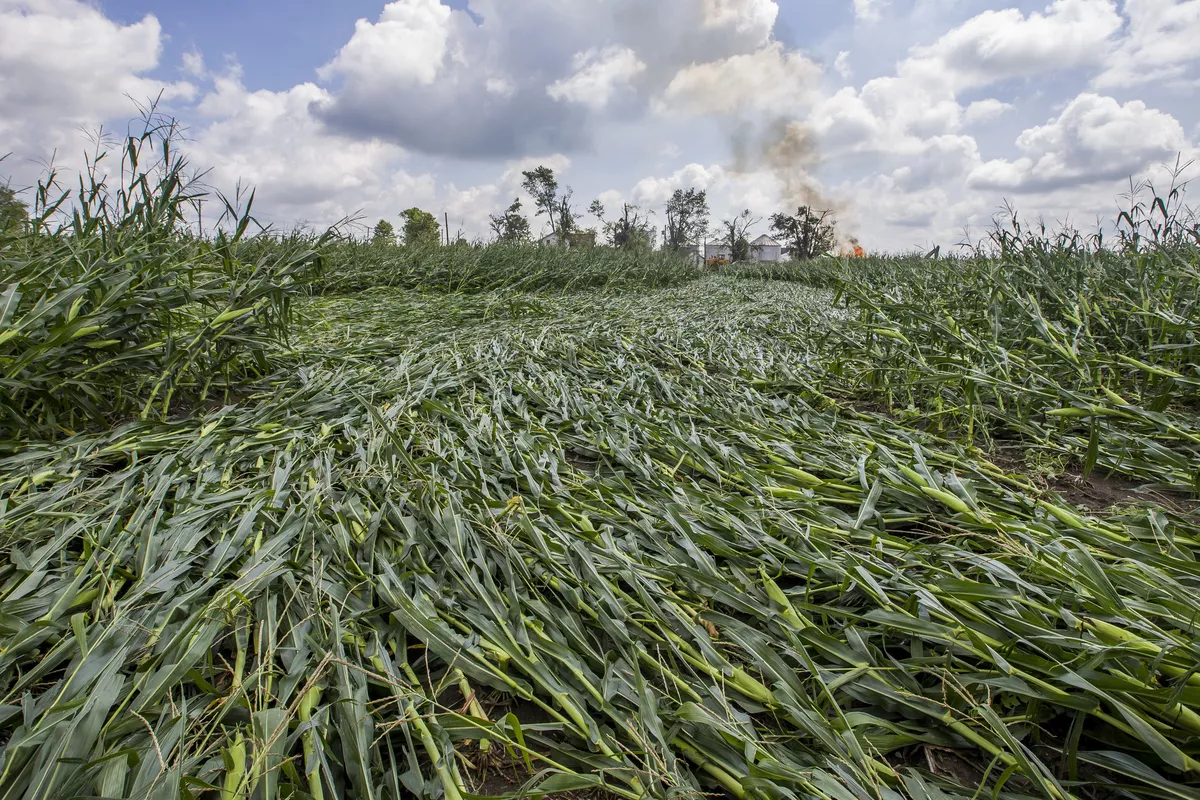
In the Chikwawa District in south-western Malawi at the start of 2022, communities were battered by two cyclones in the space of three months. Cyclone Ana arrived in January impacting thousands of people through extreme flooding, crop and community destruction, and widespread power outages. The Malawian Government declared a state of natural disaster. Cyclone Gombe hit just two months later, further exacerbating an already dire humanitarian situation.
These more frequent and intense weather events resulted in the people of the Chikwawa District losing their lives, homes, and livelihoods. Less than a year into the reconstruction effort, the area was hit by a third cyclone, Cyclone Freddy, which caused even more devastation and undermined the progress that the community had made to rebuild and recover.
The economic impacts of Cyclone Freddy on the Chikwawa District were significant; building materials that were being stored for reconstruction were destroyed. Half-reconstructed homes were washed away. Exhausted and broken, families that had previously refused to contemplate the upheaval associated with a house move decided they needed to relocate.
The economically crippling impacts that extreme weather events cause are categorized by the term ‘loss and damage.’ This term covers the negative impacts of climate breakdown on humans, societies, and the natural environment that go beyond their ability to adapt.
Every country in the world will feel the effects of climate change. However, developed countries can shield themselves from some of the bigger impacts through their ability to finance adaptation and mitigation efforts.
Communities across the Global South are not able to do this. Due to unsustainable debt, spiraling inflation, and currency fluctuations, adaptation and mitigation efforts are limited. Economic loss and damage costs subsequently increase and are borne by individuals and communities with little means to pay.
Defining loss and damage in economic and non-economic terms
Loss and damage is not only economic. For every image of physical, tangible loss depicted in the media – the loss of income sources, homes, infrastructure – there are losses that are less visible or quantifiable, but no less real – the loss of family, community, physical and mental health and wellbeing, sacred sites, and culture. Even biodiversity loss is considered non-economic, despite the many ways in which communities depend on their ecosystems for sustenance and livelihoods.
Much more needs to be done to address economic and non-economic loss and damage for countries in the Global South. Thankfully things are changing. Last week loss and damage sat at the top of the agenda for the UN’s Climate Ambition Summitin New York. At the UN Climate Change Conference (UNFCCC COP 28) this December the Transitional Committee will conclude its discussions to operationalize a new fund for loss and damage. We have every hope that finance for a raft of new initiatives can help empower communities across the Global South such as Chikwawa in Malawi to adapt, recover, and rebuild.
The many impacts of loss and damage
The Climate Justice Resilience Fund (CJRF) supports vulnerable individuals and groups – particularly women, youth, and Indigenous Peoples – to create and share their own solutions for climate resilience. CJRF puts people, their rights, and their lived experience directly at the center of climate action. A crucial learning in CJRF’s work with communities impacted by economic and non-economic loss and damage is the importance of participatory and community-driven methods, undertaken by partners around the world who ensure inclusive and just processes.
This is especially true when addressing non-economic loss and damage. In the case of the Chikwawa community, CJRF worked with Churches Action in Relief and Development (CARD), a faith-based, local, non-governmental organization (NGO) that seeks to empower vulnerable communities through capacity building and community-led solutions for well-being and resilience. CARD staff worked with the area’s traditional authorities to identify the loss and damage they faced, and how to best address the loss, while acknowledging these losses are often irreplaceable and irreversible.
In some loss and damage cases, non-economic loss cascades across generations: families that have lost their crops and homes may feel forced to marry off their young daughters, who may then lose their education and opportunities they would otherwise have had. In other cases, loss and damage may result in displacement and migration, splitting up families and causing loss of family stability and support for children.
Sometimes, even addressing loss and damage can result in non-economic losses. In Chikwawa, some households were initially unwilling to relocate to higher ground because their original homes were near graveyards of their ancestors, and they believe their sprits provide protection during the night. They eventually had to choose to leave behind these areas of cultural and spiritual importance to them to prevent further loss and damage to their assets in the future.
Lessons for the global community
The Chikwawa project was funded by the Scottish Government. In 2021, Scotland became the first wealthy country to provide climate finance specifically for loss and damage impacts. Last week, Scotland once again stepped up to support loss and damage in the Global South, announcing that it would provide a further GBP 5 million to support grants, technical assistance, and advocacy, with a specific focus on the more invisible but no less devastating non-economic loss and damage.
Partnering once again with CJRF, the Scottish Government finance will support work that uses participatory and community-driven methods, undertaken by partners around the world who, like CARD, ensure inclusive and just processes. As loss and damage impacts the most vulnerable in the Global South, our efforts will center on those who have faced marginalization as a result of their identities such as women, Indigenous Peoples, people with disabilities, or minorities. The portfolio will also have a very strong emphasis on learning, both about what addressing non-economic loss and damage can look like and about how it can be done in locally led, equitable ways.
The lessons gathered will inform funding and policymaking at the global level, enabling global processes to be grounded in local realities. As vulnerable communities around the world continue to be affected by devastating events caused by climate breakdown, we urge leaders in the Global North to follow Scotland’s lead and take steps to redress the decades (if not centuries) of inequality that have led Global South countries to be where they are now: at the center of a crisis they had little role in causing.
Source - https://sdg.iisd.org