Invasive species are an increasing threat to Ireland’s environment, wildlife and food production systems. Recent discoveries, including the appearance of Asian Hornets in Cork, have highlighted just how serious the risk can be. These invaders can alter ecosystems, disrupt natural processes, introduce disease, and cause significant damage to crop and habitats.
Teagasc researchers are at the forefront of efforts to improve pest monitoring and minimise these threats. In RTÉ’s 10 Things to Know About… Ep 4 – Invasive Species, the programme explores the science and technology used to identify and control damaging organisms before they become established.
Combining research and technology
Invasive crop pests, such as the brown marmorated stink bug, pose a particular challenge for Irish horticulture. These insects damage fruit and vegetable crops and can even become household nuisances. Effective pest monitoring is critical for farmers, but traditional methods are time-consuming and labour intensive.
To address this, Teagasc entomologist Michael Gaffney, Principal Research Officer, is leading work to develop automated systems that enhance invasive species surveillance. These advanced tools can analyse insect populations in real time, allowing producers to act quickly and reduce risk.
“Monitoring of crop pests is the foundation of integrated pest management and invasive species surveillance,” Michael explains. Automated systems provide real-time information on insect populations, helping growers make informed decisions and protect crops before outbreaks occur.AI in the field
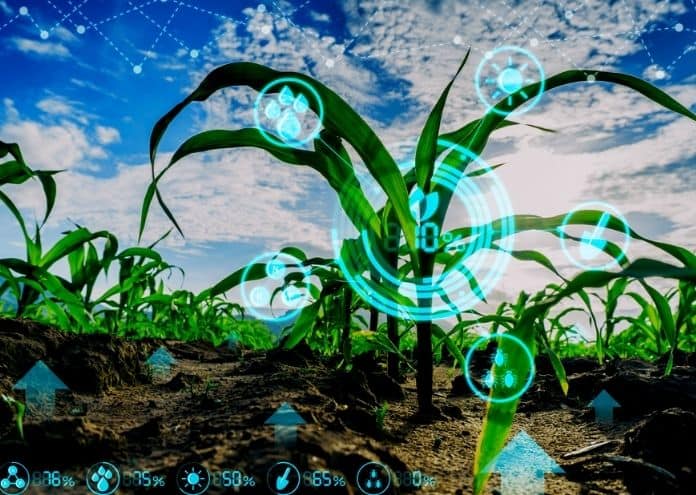
A key innovation featured in the episode is the use of Edge Artificial Intelligence (AI) in pest monitoring. Developed in partnership with researchers from the Tyndall National Institute, low-power AI devices are placed directly in orchards and fields. These systems detect and classify insect activity on site without needing cloud processing or ongoing human intervention.
PhD Walsh Scholar Amin Kargar, who recently received the 2025 AI Ireland Award for Best Application of AI in a Student Project, says the technology allows farmers to receive real-time pest data. This helps to cut unnecessary treatments, improve crop quality and yield, protect pollinators, and support biodiversity.
Broader threats and technologies
The programme also examines the impacts of invasive zebra mussels at Lough Neagh, where millions of these creatures are disrupting the food web and promoting harmful algal blooms. In response, researchers are developing early-detection tools to make lakes and waterways safer for wildlife and humans.
RTÉ’s 10 Things to Know About… Invasive Species demonstrates how cutting-edge science, collaboration and technological innovation can help protect Irish agriculture and natural systems from the growing threat of invasive organisms.
Source - https://teagasc.ie