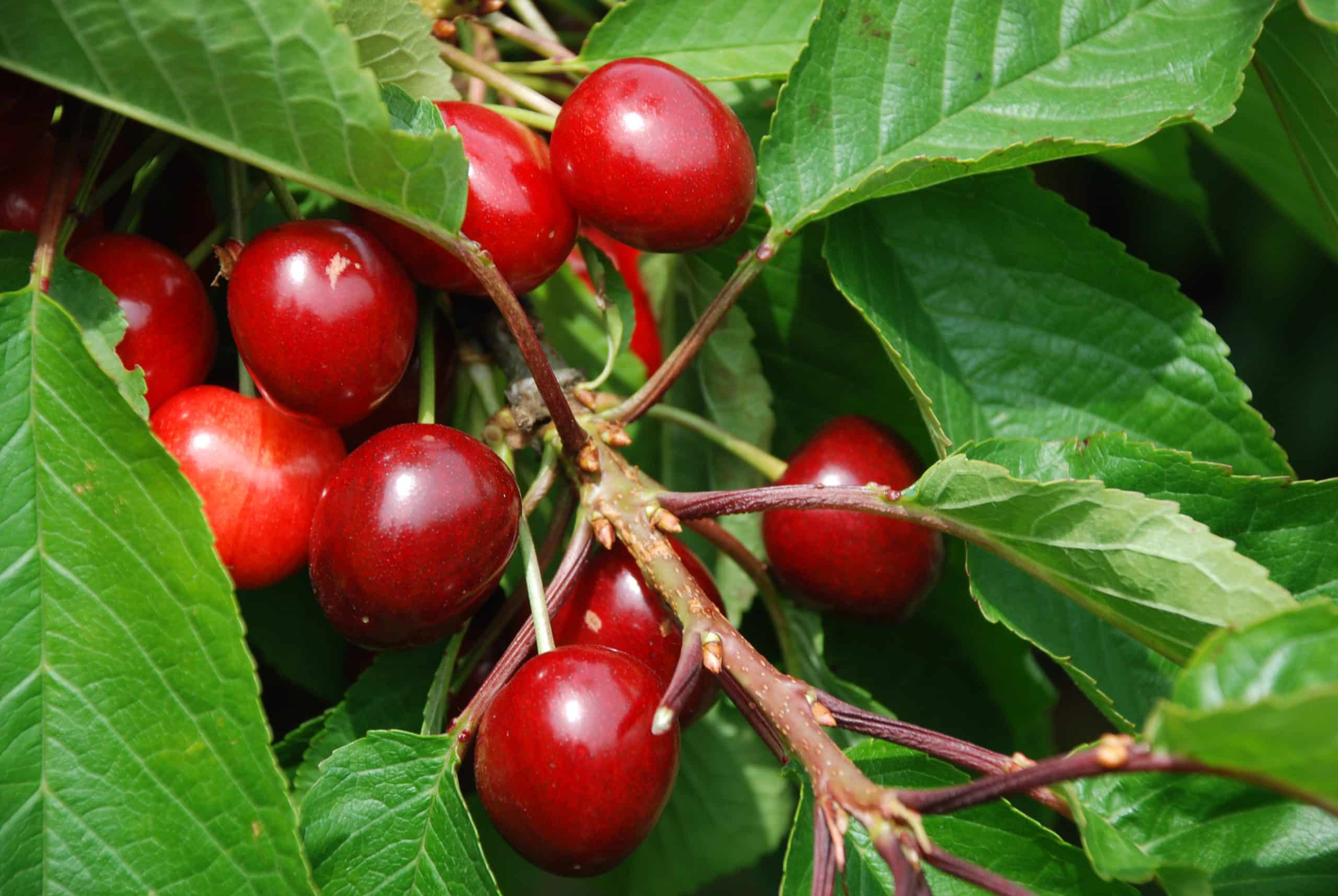
Increasing minimum cherry size would boost returns, improve crop insurance.
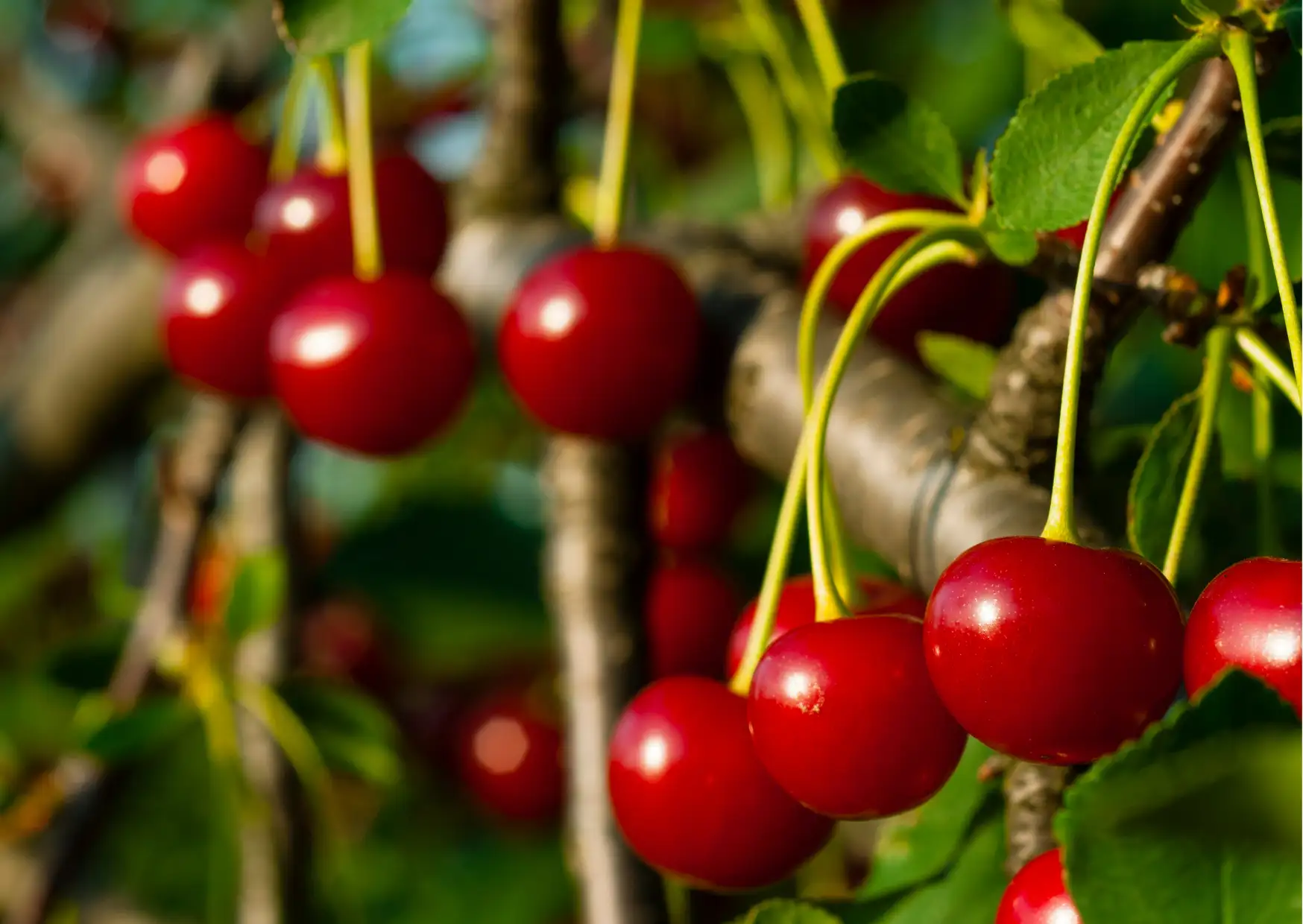
The USDA is accepting comments on a proposal to increase the minimum size requirements of most sweet cherry varieties in Central and Eastern Washington. All sweet cherries in those areas would be covered except for “light sweet cherries” such as Rainier and Royal Anne. The Washington Sweet Cherry Marketing Committee — administered by the Washington State Fruit Commission, which also oversees Northwest Cherry Growers — recommends new minimum size and pack requirement changes to the state’s marketing order to maximize market returns and improve crop insurance practices.
Cherry size is typically referred to by row count, a measurement of how much fruit could fit in a box when lined up. The proposal would remove the 12 row count (54/64 inch in diameter), and shift the minimum size to 11 ½ row (57/64 inch). New row sizes of 7 ½ count (88/64 inch) and 7 count (92/64 inch) would be added.
The order would impact farms in Okanagan, Chelan, Kittitas, Yakima and Klickitat counties, as well as all 15 counties to the east. Approximately 1,350 sweet cherry growers are in that production area and about 35 handlers would be subject to the regulation. Small cherries less valuable Federal paperwork states that according to the commission, 12 row fruit typically accounts for roughly 1-2% of the Washington sweet cherry market annually.
The market doesn’t readily accept such smaller cherries, which usually command a lower price. However, they can create competition with larger fruit. During difficult crop years with poor weather, growers are often required to pick and deliver their 12 row cherries to qualify for crop insurance coverage, even if doing so is not economically viable. Crop insurance adjustors typically require farmers to pick all marketable fruit prior to submission of a claim — even though smaller size cherries have little value to the grower or handler. The two new larger row counts will help the industry properly capitalize on those desirable sizes.
Currently, 8 row cherries and larger are marketed without further definition. The new sizes will help farmers and handlers market large cherries in export markets at premium prices.
Source - https://capitalpress.com