Afghanistan - Natural disasters claim 350 lives, ravage thousands of acres of farmland

05.01.2024 767 views

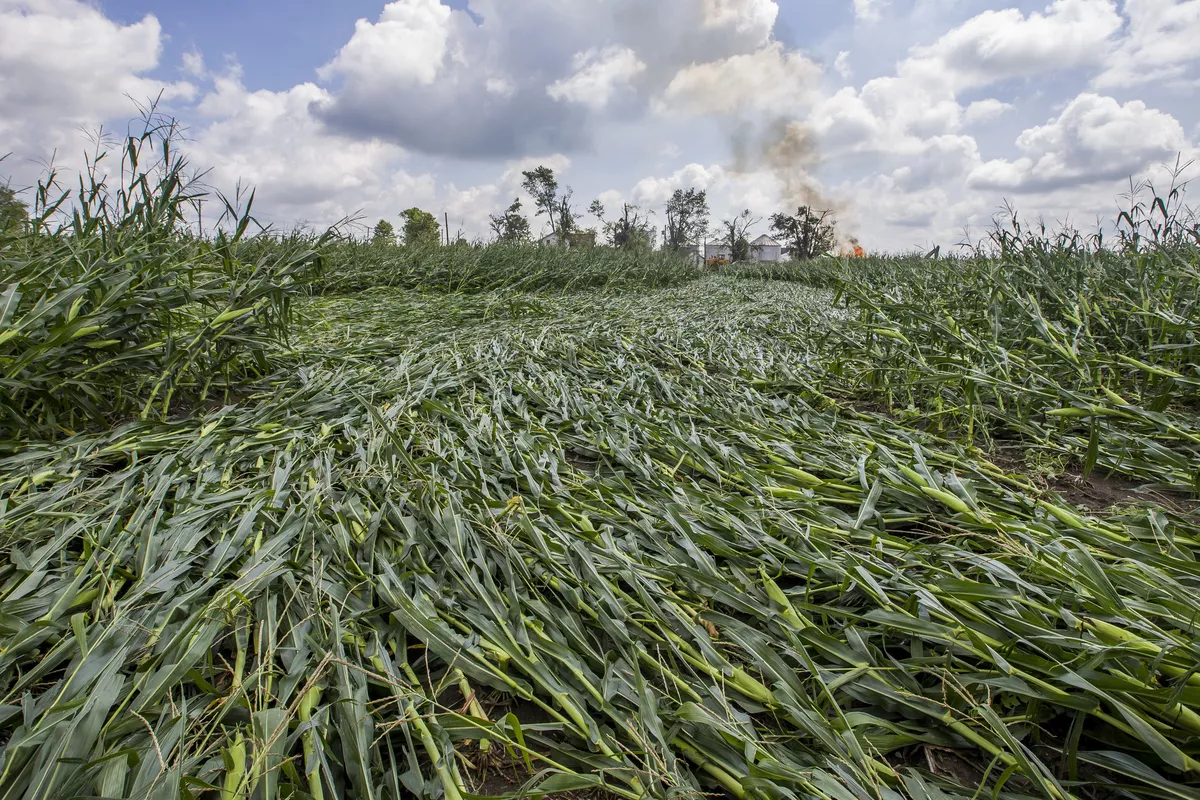
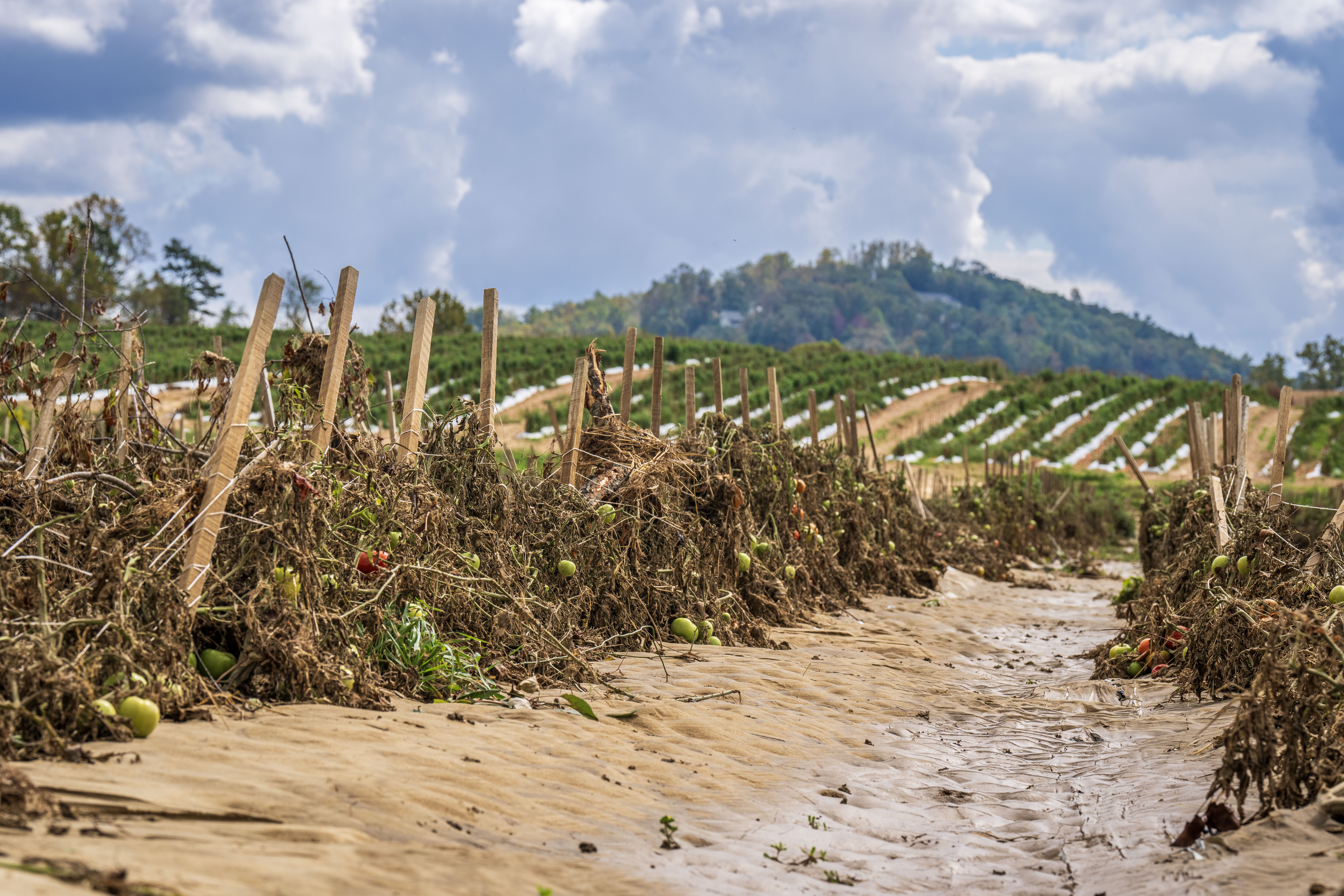
In a recent disclosure by the State Ministry for Disaster Management Affairs, it was revealed that various natural disasters claimed the lives of 350 individuals over the past nine months. The events also caused substantial damage, leading to the destruction of around 4,000 homes and the devastation of nearly 70,000 acres of farmland.

Disaster Management Response

According to Mullah Janan Saiq, the spokesperson for the State Ministry of Disaster Management, rapid response measures have been activated to support the affected communities. The ministry’s representative also indicated that 25 provinces are currently at risk of floods and other natural disasters during the solar year. Furthermore, the ministry has identified 300 areas as particularly vulnerable to these disasters.

Agriculturalists Express Concern

As the country grapples with these challenges, farmers are voicing their apprehensions over the ongoing drought and the consequent crop failures. Agriculturalists such as Abdul Khalil and Muhammad Afzal have suffered significant losses due to water scarcity and related diseases affecting their crops and trees. The most impacted provinces include Herat, Bamyan, Daikundi, Panjshir, Parwan, Takhar, Ghor, Kandahar, Samangan, and Badakhshan, as per the ministry’s data.

State of Emergency

As the toll of natural disasters continues to rise, the State Ministry for Disaster Management Affairs is striving to mitigate the consequences and enhance preparedness for future incidents. However, with the increasing frequency and intensity of these calamities, the ministry’s resources and capabilities are being stretched to their limits. The situation underscores the urgent need for comprehensive disaster management strategies and effective climate change mitigation measures.

Source - https://bnnbreaking.com

02.09.2026

Philippines - Bayambang declares state of calamity over P31-M agricultural losses

The municipal council of Bayambang has placed the town under a state of calamity after Tropical Storms “Luis” and “Maymay” and the enhanced southwest monsoon, or habagat, caused more than P31 million in agricultural losses.

02.09.2026

USA - Lynndyl farmers assess crop losses after 100 mph winds and hail

Farmers in and around Lynndyl are beginning to assess severe losses after a powerful weekend storm ripped through fields with destructive winds and hail just as some crops were nearing harvest.

02.09.2026

USA - New Insurance for Breeding Heifers

New LRP Coverage Aims to Reduce the Risk of Retaining Heifers for Breeding.

02.09.2026

Corn's $6 Surprise Could Change the Profit Math for U.S. Farmers

Corn may already be worth more than the board suggests as farm payments and incentives add about 52¢ per bushel to producer revenue.

02.09.2026

Philippines - Iloilo turns over P10M for farm, fishery insurance

The Iloilo provincial government has turned over P10 million to the state-owned Philippine Crop Insurance Corp. (PCIC) to expand insurance protection for farmers and fisherfolk vulnerable to losses from El Niño, La Niña, typhoons, pest infestations and other calamities.

02.09.2026

India - AP sees 1,263% rise in non-loanee crop insurance

The State witnessed a remarkable 1,263% jump in non-loanee farmer registrations, with their participation rising from 2 lakh in the previous Kharif season to 25.26 lakh farmers this year.

01.09.2026

South Africa - Grain SA calls for affordable crop insurance as dry weather threatens Swartland wheat

Severe rainfall shortages threatening the Swartland wheat crop have highlighted the need for government support to make crop insurance affordable for dryland producers.

01.09.2026

USA - Florida farms face nation’s highest disaster loss rate

Natural disasters destroy billions of dollars in U.S. agricultural production each year. From drought and wildfires in the West to hail in the Midwest and hurricanes in the Southeast, farms lose an average of $5.1 billion in crops and livestock annually, according to the Federal Emergency Management Agency.