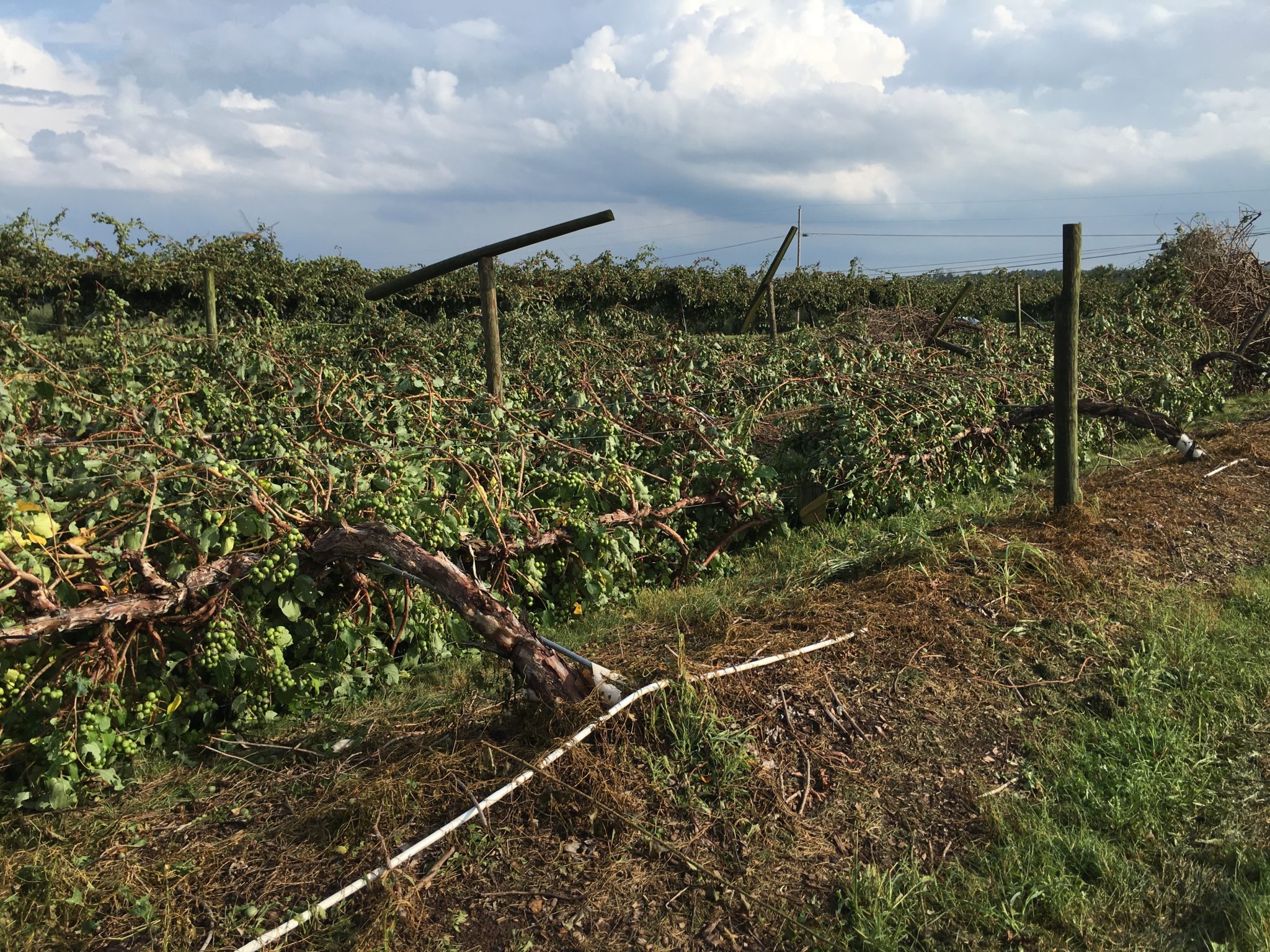
African countries will suffer significant economic loss after 2050 if global warming is not limited to below 2°C, a new study by the Center for Global Development has found.
Environment and energy economist Philip Kofi Adom is the author of the report. He synchronised many years of research by climate change scientists and researchers and found that west and east Africa will fare worst. We asked him about his findings.
You found climate change will reduce Africa’s crop earnings by 30%. How will this affect people?
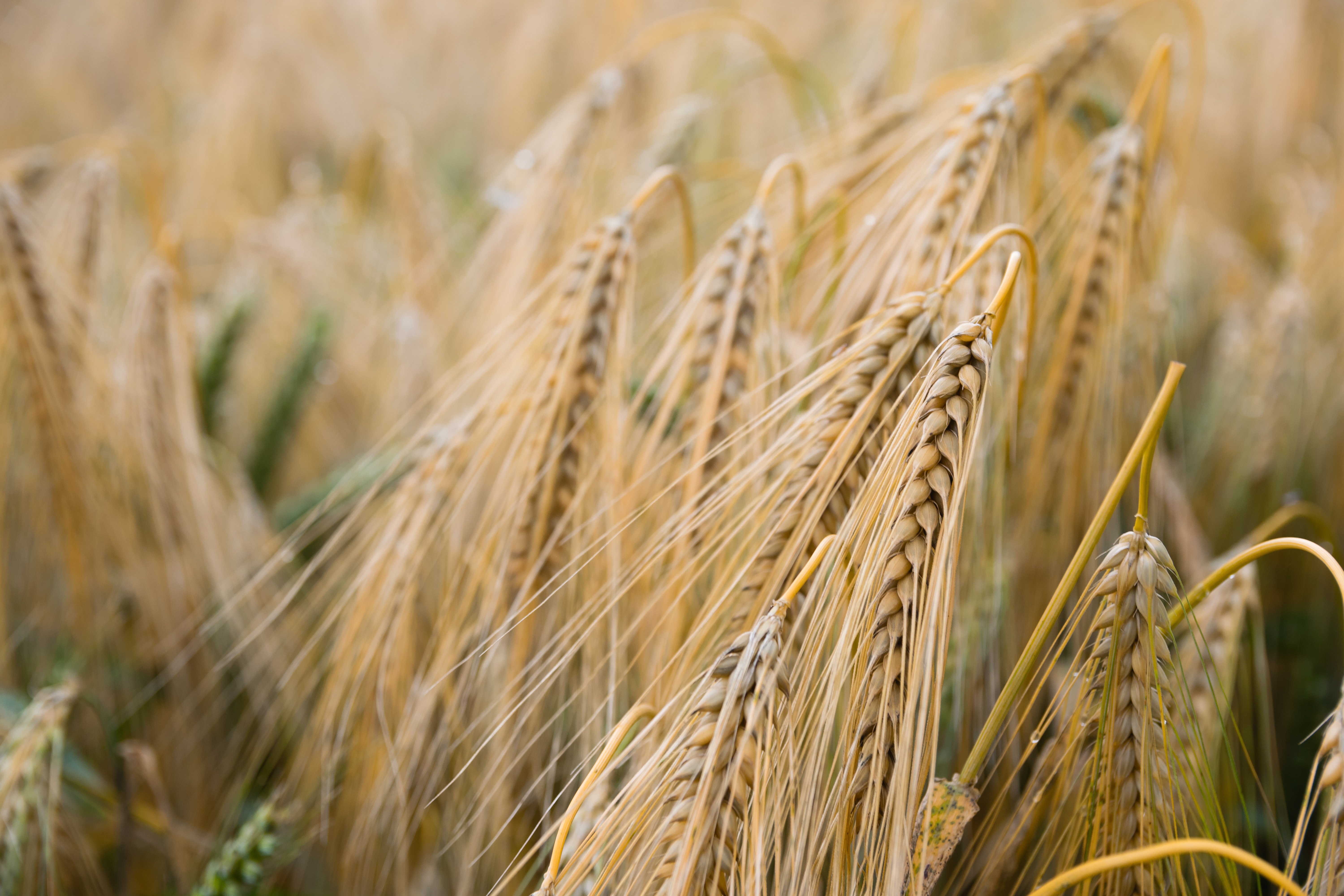
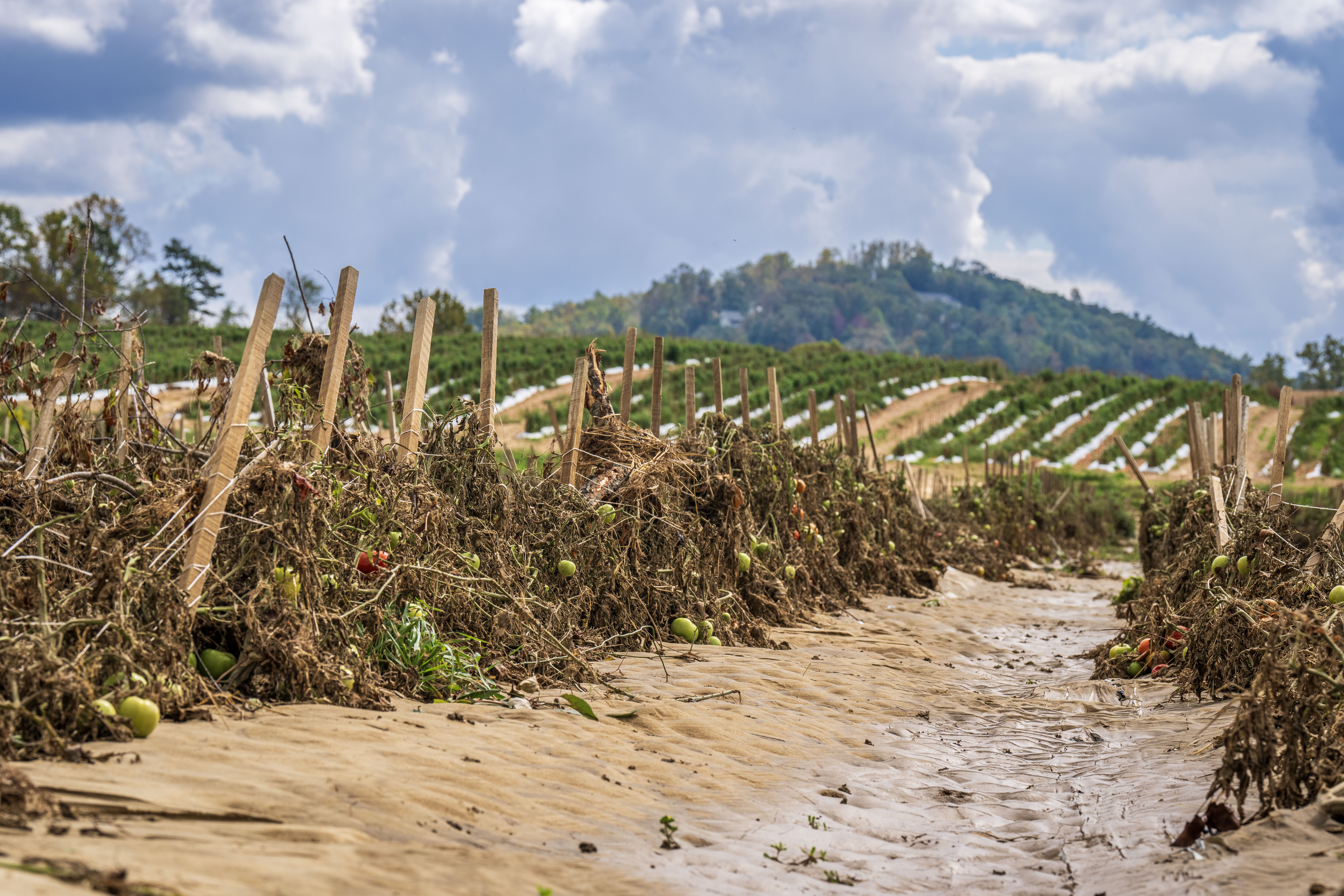
If climate change continues on its current trend, crop production in Africa will decline by 2.9% in 2030 and by 18% by 2050. About 200 million people risk suffering from extreme hunger by 2050. The crop revenue loss of approximately 30% will cause a rise in poverty of between 20% and 30% compared to a no-climate-change scenario.
How this will happen is that climate change will drive agricultural production down, so crop sales will suffer although scarcity will raise prices.
In Africa, 42.5% of the working class is employed in the agricultural sector. The incomes of those, mostly rural, workers will decline. Already, a higher share of people living in rural areas are poor and most impoverished people in Africa are concentrated in the rural areas. The decline of the agricultural sector is likely to push more people into severe poverty.
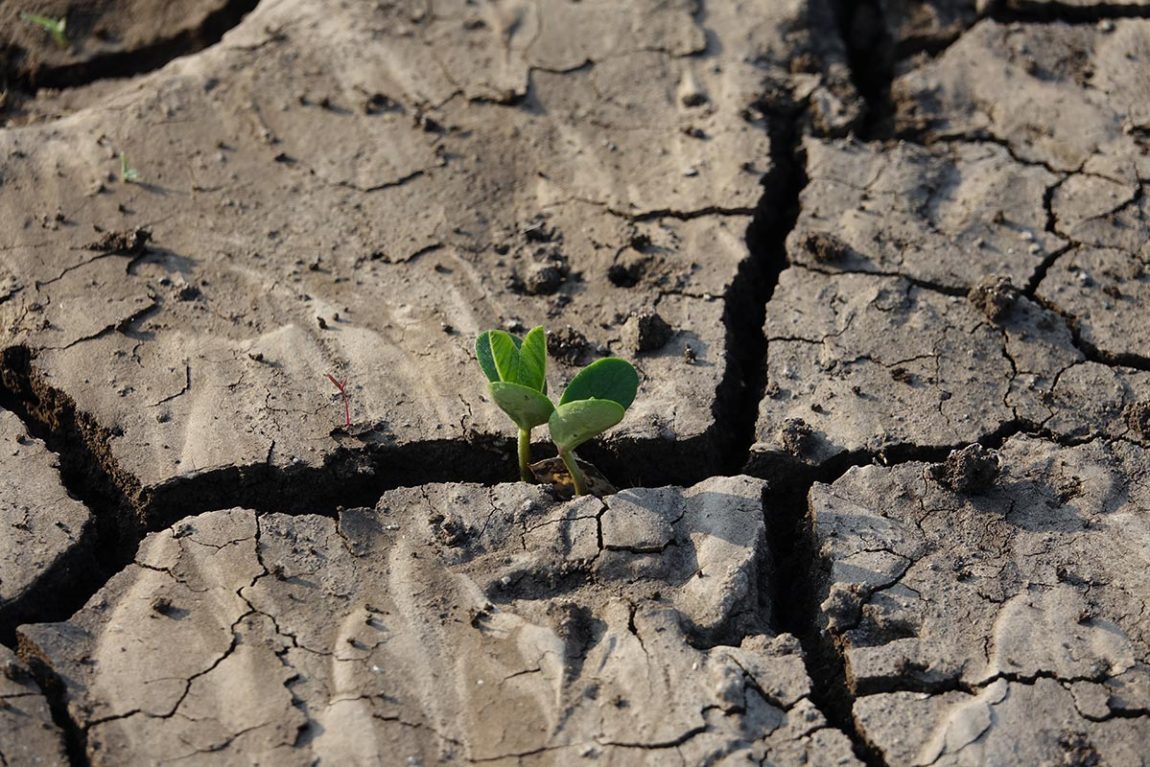
We will also face food security issues and those who work in the agricultural sector will face the risk of losing jobs. Rural farmers who rely only on rain and have no irrigation systems to grow their crops will suffer the most.
You project a long term Africa-wide gross domestic product (GDP) decline of 7.12%. What impact will this have?
When we speak of the long term, we are looking at 2050 and beyond. GDP tells us the wealth status of economies at any point in time. Through wealth creation, businesses emerge and jobs are created. Taxes collected pay for infrastructural investment, investment in social services and provision of social support like health insurance and unemployment insurance. With a 7.12% decline in GDP, these wealth creating potentials in the economy are going to be severely affected should climate change continue at the current pace.
Country-level projections have suggested much greater economic losses in GDP, ranging from 11.2% to 26.6% in the long term, in the most affected regions of Africa. When economies shrink in size, businesses could close down, certain jobs will be destroyed and new jobs will not be created.
For the people of Africa, this is very significant because it is predicted that in the coming years, the continent’s population will reach over 2 billion. The African population is the world’s most youthful. So if African economies shrink, where would those young people find their source of livelihood? That is a great concern.
50 million Africans are likely to be pushed into into water distress. What does this mean?
It means severe water shortages in homes and industries. For example, if you used to have access to water all day, you are going to have a much lower supply – a quantity so low that it does not meet your needs. This is a demand and supply issue. There will be higher demand for water resources but because of the short supply, water prices will shoot up. Going into the future, if nothing is done, water across Africa will be very expensive.
Can adaptation and mitigation help us avoid this disaster?
When we talk about climate change it is community or collective action. Obviously, governments are the big players. The government has to foster the change efforts that are required by supporting private initiatives in climate adaptation and mitigation – either directly or through incentive designs.
No attempts at adaptation and mitigation are too small. If these small efforts are coordinated, we can expect to see results. Individual households and individual businesses can do a lot. For example, people can cut down on the amount of meat and dairy eaten or change how transport is used – resorting to cycling, walking or public transport when possible. At home, energy saving practices can be adopted. And green spaces must be respected and protected.
People who use banks should ensure they conduct responsible investment. It is always important to know what kind of investment the bank is using money for. If it is not something that is climate friendly, customers and clients can speak about that.
Whatever the side effects will be, everyone will be at the receiving end. Everyone has a voice and it is important to use it on climate related issues.
What should African leaders be doing?
Climate change is an ongoing and impending environmental crisis. Luckily there is the chance to do something about it before the unthinkable happens. I urge African leaders to be very proactive in their climate change and mitigation efforts. The agricultural sector is the economic mainstay for most economies in Africa and climate change poses a grave danger to it. Climate change may create a state of perpetual economic distress if we fail to act now.
Source - https://theconversation.com