High temperatures over the summer caused an increase of certain pests harmful to vegetables.
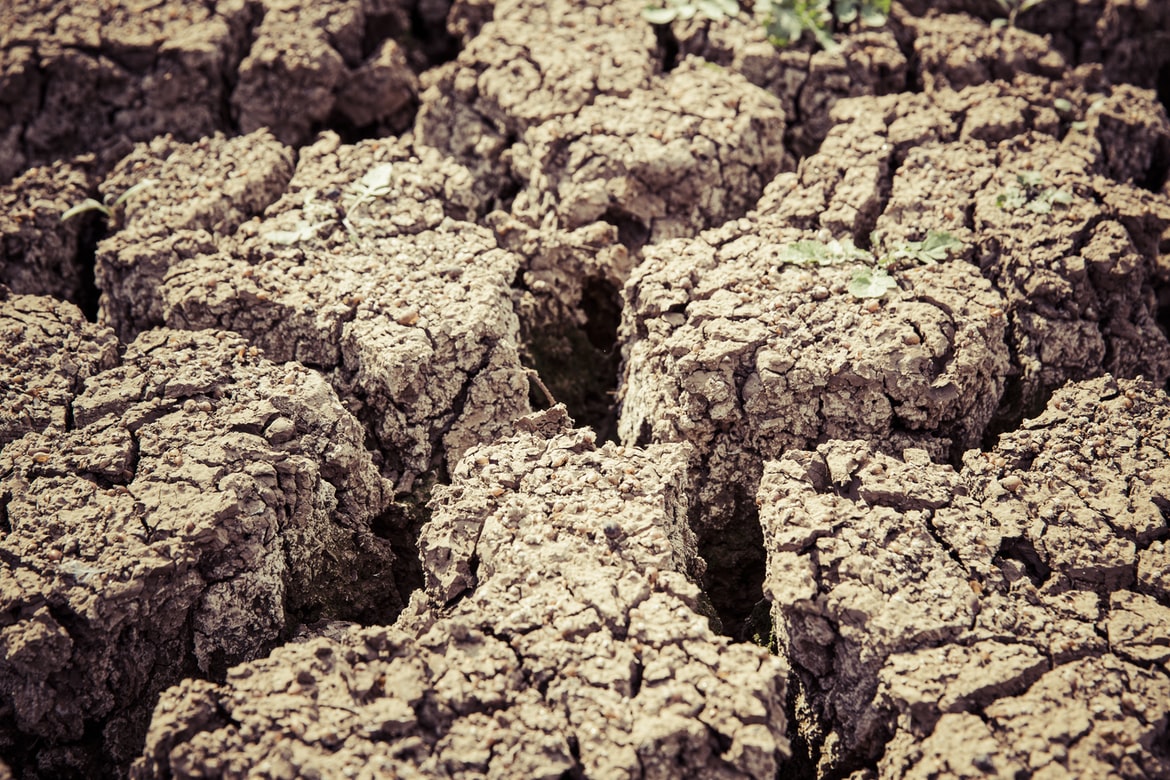
Yves Diederich was “absolutely delighted” the moment he saw rain falling on his fields at his vegtable farm, following a summer of schorching sun and little precipitation.
“Unfortunately, it has come a little late. Things were really very tight in every respect,” said Diederich, whose farm lies in Berchem, just outside Luxembourg’s capital.
Vum Gréis is a small farm supplying vegetables to more than 100 families through community-supported agriculture. But this summer has brought major challenges for Diederich and his team.
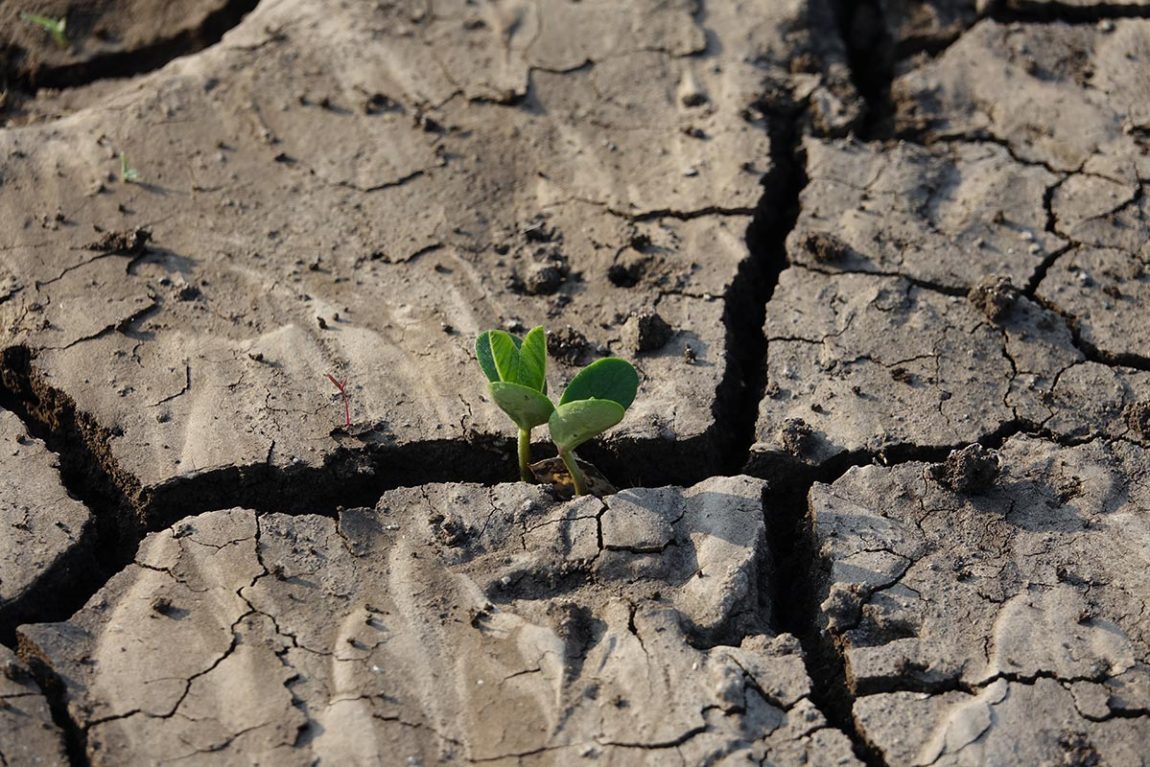
“Many plants did not grow properly, and a lot has been lost. Once temperatures reach 30°C or 35°C, plants outside do not grow much, they go in survival mode,” said the 46-year-old.
During June, July and August Luxembourg suffered consecutive heatwaves, with temperatures reaching 37°C.
To water his crops Diederich has a drip irrigation system, made up of 10km of pipes which give plants water directly to their roots.
“Even so, all the plants struggled greatly,” the farmer said.
One particular challenge for the farmer was growing cabbage because of a pest infestation Diederich was unable to get under control. These particular pests emerge during periods of drought and high temperatures, he explained.
“When you work without chemicals, they are very difficult to combat,” he said. “There will be no cabbage this year.” He also said that other pests affected crops this year including tomatoes and cauliflower.
Diederich has not experienced such a difficult season since founding the business.
“We have had drought periods before,” he said. “But not for this long, not this severe, and not one heatwave after another without rain.”
But the season has not been entirely negative.
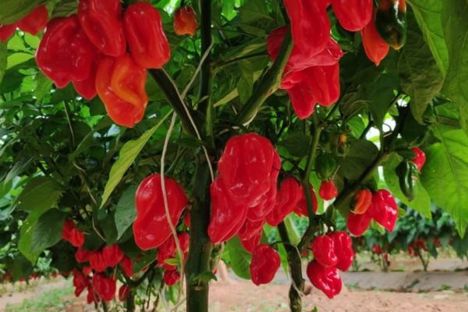
“There are positive things too,” he said. “We are having an amazing year for salad cucumbers. We have never had so many or such beautiful cucumbers. The peppers are also astronomical.”
No chemicals
When he first set up his farm in 2018, Diederich made the decision not to use large machines or chemicals, but despite this years difficulties he does not regret the decision.
“Being a vegetable grower is one of the most beautiful jobs there is, even if it is very challenging,” the farmer said.
The farm of 1.6 hectares grows between 50 and 60 types of vegetables in several cycles during each seas.
“It is a market garden, which means working very intensively on a small area – with a great deal of manual labour and without chemicals,” said Diederich.
It works on the principles of community-supported agriculture. This is a partnership between producer and consumers in which the farm commits to supplying members with vegetables for around 30 weeks a year.
In return, members contribute to operating costs through an annual fee and receive a share of the harvest.
“The farmer generally has the money in their account in advance and can use it to work throughout the season. This makes them relatively independent of the global market,” he said. “Consumers and producers share the risk of poor harvests.”
Some 105 families are members or the programme. For €1,100 per season, they receive a weekly vegetable box. Those who pay more support the project’s further development and sustainability.
When there are more vegetables than needed, the excess goes to the Maison Relais state daycare centres for children.
However, this year, there was only enough vegetables for members of the project.
Diederich said that this summer members all paid extra contributions to the farm.
“They stand behind the project,” said the farmer. “But it is becoming increasingly difficult to attract new members.”
He also said he thinks local producers are not given enough support and that his farm cannot compete with cheaper produce from other parts of Europe.
“We have probably simply become used to everything being available in the supermarket, and we do not really care where it comes from,” he said.
Source - https://www.luxtimes.lu