Argentina - Crop-planting pace ‘the worst in decades’

25.11.2022 790 views

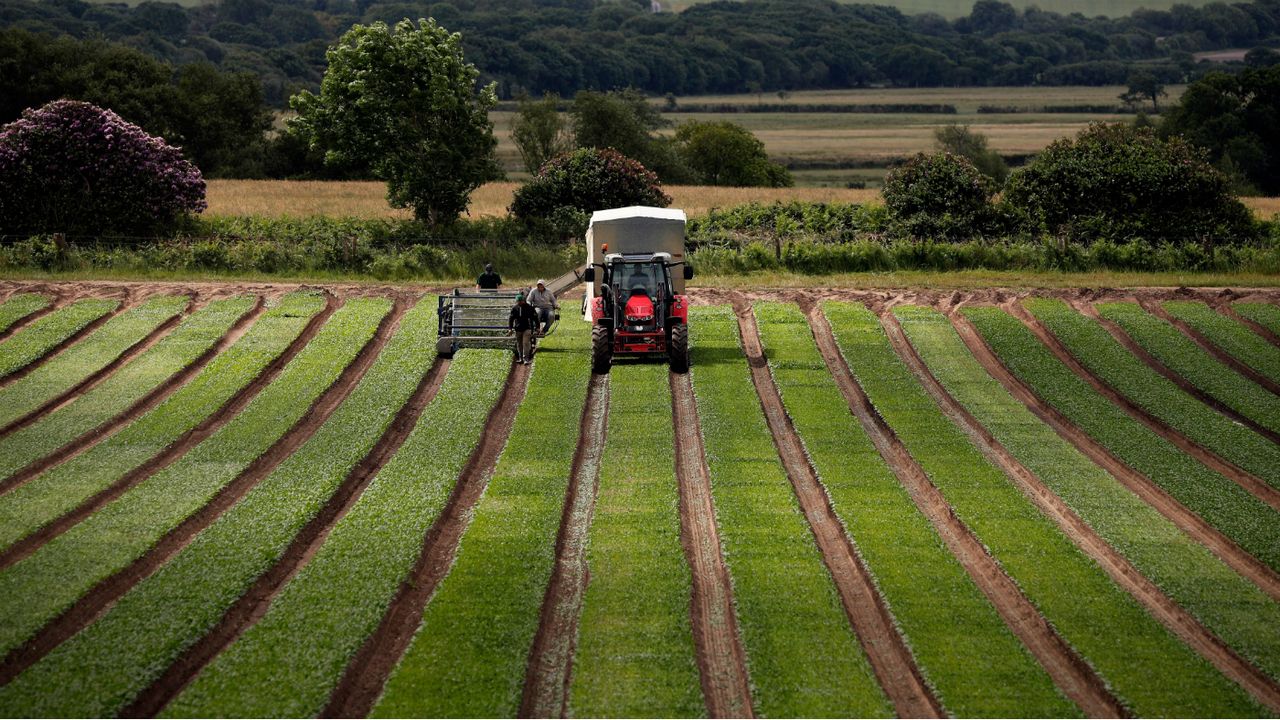
The pace at which both crops were being sowed was the slowest in at least two decades, according to a report by Reuters market analyst, Karen Braun.

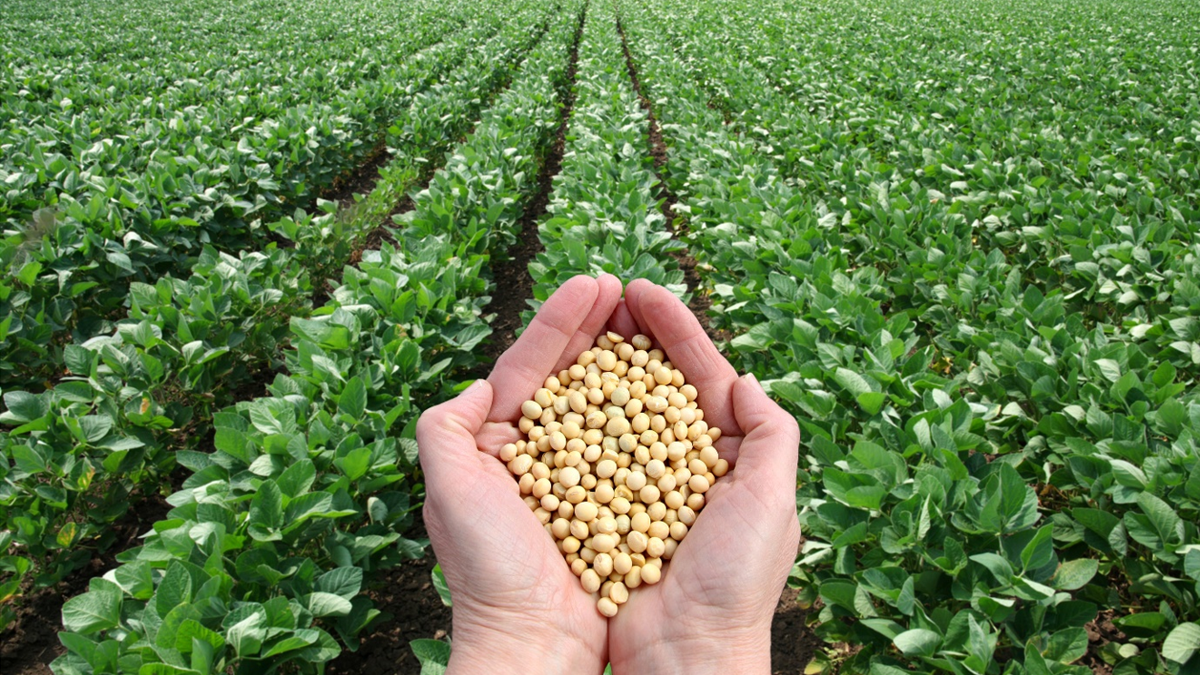
Only 17% of the soya bean crop had been planted in the third week of November, compared with 31% at the same time in the previous season.

Maize plantings were also only 32% complete, down sharply from 48% a year ago.

This followed a 40% decline in Argentina’s wheat harvest due to drought conditions, largely caused by unfavourable weather conditions.

“The [La Niña weather system] cycle can cause extended dry conditions for the country’s soya bean and maize, often leading to lower crop yields,” she said.

“Forecasts suggest that La Niña may fade into a neutral phase midway through Argentina’s growing season, but it is too early to say with certainty.

“Current trade wind and ocean temperatures, including those in the Indian Ocean, could support further strengthening of La Niña [conditions] in the coming weeks.”

The worst ever soya bean and maize yields in Argentina (in 2009 and 2018) were, however, recorded during moderately strong La Niña systems, with the last two seasons’ incidences being of moderate strength, Braun explained in the report.

According to the US government’s Vegetation Health Index, most of Argentina’s grain belt had been classified as being in the ‘stressed’ zone.

“Drought coverage in key provinces such as Buenos Aires, Cordoba and Santa Fe is at, near or has recently reached the highest levels in at least a decade,” according to the index.

Following rain showers in the week of 21 November, however, Argentina’s agriculture ministry increased its estimate of the area planted to soya bean by 200 000ha to 16,5 million hectares, an increase on last season’s 16,1 million hectares, despite the below-average planting pace.

However, the ministry reduced the estimated area planted to maize by the same figure to 10,2 million hectares, compared with the 10,6 million hectares planted in the previous season.

Braun said Argentinian farmers were expected to favour soya bean production over that of maize this season, due to the relatively lower production costs of producing soya bean.

Producers may also have an added incentive as the government attempted to increase earnings through higher soya bean exports.

“Throughout September, the government reportedly offered farmers a special exchange rate for soya bean to encourage sales and thus exports, generating US$8,16 billion [about R319 billion] in cash reserves,” she said.

Source - https://www.farmersweekly.co.za

27.01.2026

New Zealand growers report limited crop damage but logistics disruption

Early reports indicate that most growers in New Zealand came through the recent heavy rain and flooding with limited impacts, according to Horticulture New Zealand chief executive Kate Scott. While the weather created operational challenges, there have been no widespread crop losses or major damage to orchard infrastructure reported so far.

27.01.2026

USA - Row crop farmers continue to face financial stress amid federal payments

As the U.S. Department of Agriculture prepares to give $11 billion to farmers across the U.S., row crop producers are continuing to see a yet another year of financial strain.

27.01.2026

FAO Boosts Food Security in Haiti and the Dominican Republic with Emergency Agriculture Support

A high-level mission from the Food and Agriculture Organization of the United Nations (FAO) to Haiti and the Dominican Republic highlighted the critical need for coordinated action to address food security across the Caribbean. 

27.01.2026

US$9,4m drive to climate-proof Zimbabwe agriculture launched

Zimbabwe is taking bold steps to safeguard its agriculture against climate shocks with the launch of the US$9,4 million Resilient Agriculture Cluster Project (RACP), a pioneering initiative supported by the African Development Bank (AfDB) and IFAD.

27.01.2026

Kenyan Small-Scale Farmers Gain Crop Insurance Amid Climate Shocks

In Kenya, crop production is gradually shifting from a struggle for survival to a pathway for economic opportunity. For many years, farmers have faced unpredictable weather, fragile soils, limited drying options, and uncertainty about where their harvest would be sold.

27.01.2026

USA - Winter storm takes a toll on agriculture in the South

Freezing temperatures and ice of the past weekend have impacted industries from timber to sugar cane, crawfish to cattle. 

26.01.2026

EU streamlines farm rules, promising €215m savings for agriculture

The European Commission has adopted nine new legal acts to cut administrative requirements under the EU’s Common Agricultural Policy (CAP), including changes it said could save farmers across the bloc up to €215 million a year.

26.01.2026

Uzbekistan, Canada Discuss Joint Agricultural Research

Uzbek Minister of Agriculture Ibrokhim Abdurakhmonov has held a working meeting with Ben Bradshaw, Assistant Vice-President for International Cooperation at the University of Guelph (Canada), to discuss prospects for joint scientific research.