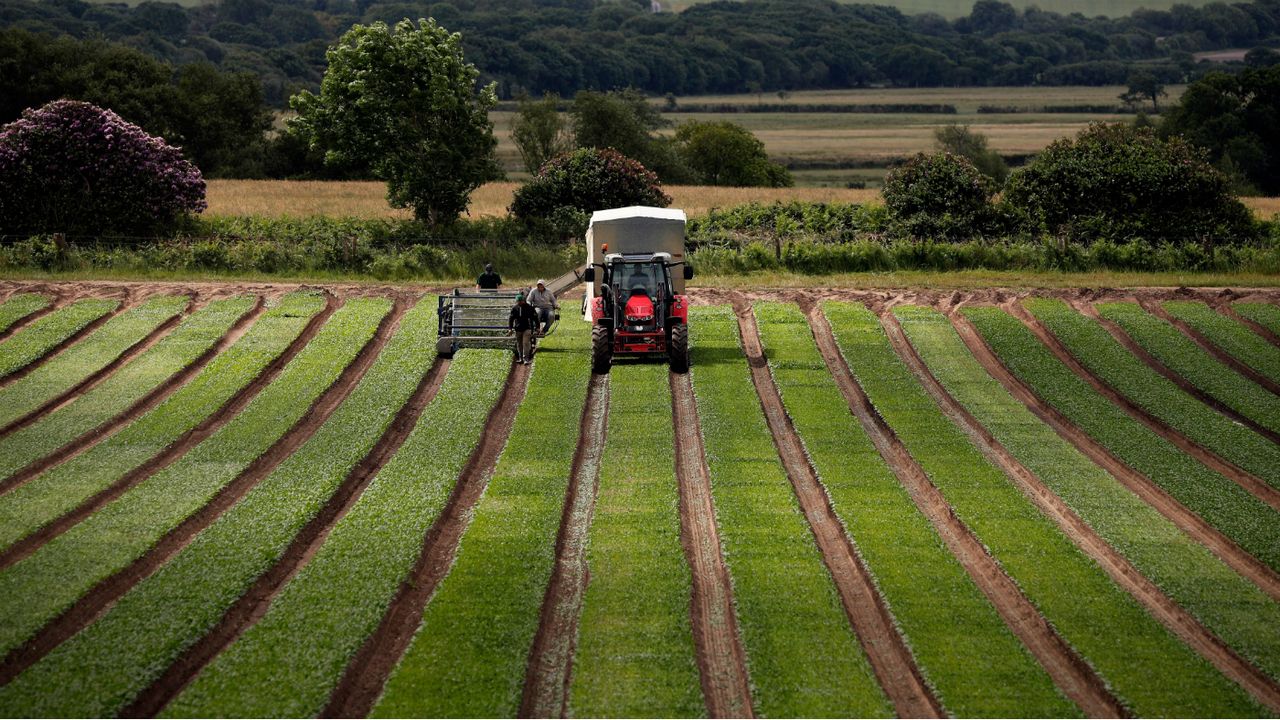
Sugar cane farmers in the North Queensland town of Ingham have a rat race on their hands as native rodent populations explode and decimate valuable crops.
Some farmers are calling the damage throughout the Herbert region the worst they have ever seen.
But controlling a native species is different to managing pests, and farmers say they need more support to protect their livelihoods.
"We're seeing significant damage," said Lawrence Di Bella, the manager of Herbert Cane Productivity Services.
"Initially, it'll be a little bit of munching or biting, and then we're seeing within two weeks crops basically going from standing to nothing.
"Crops — they are disappearing in front of our eyes."
As the cane fields reduce, so do the profits that sugar cane farmers were set to make on what was going to be a bumper crop.
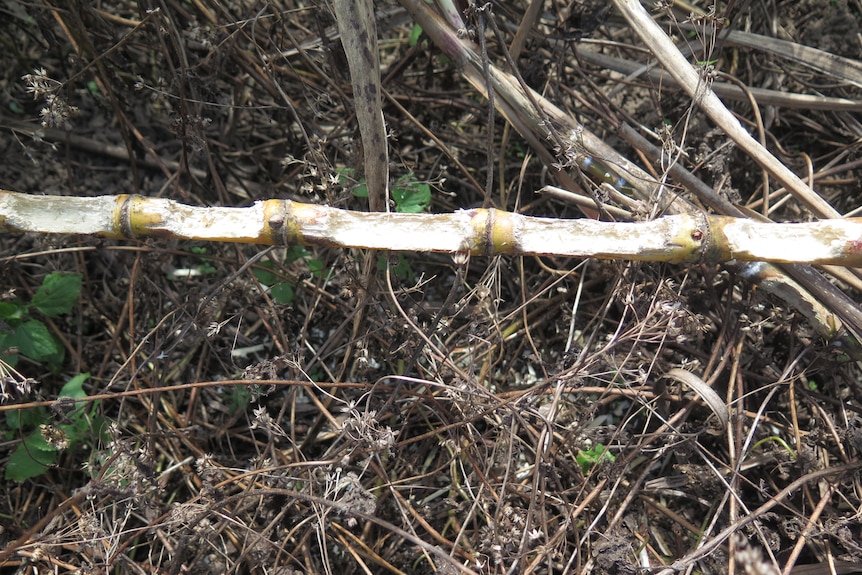
The rats destroy the plant with just a few nibbles as it causes it to rot from the inside, says cane grower Greg Erkilla.
"The cane will start to go off," he said.
"It will eventually go sour and it lowers the sugar content of the cane."
The ultimate rat environment
The cane crop this season has been wetter and larger than usual, which is causing "lodging" where the crop bends and falls over.
This fallen crop has provided the perfect environment for rats to thrive as they hide and burrow underneath it.
"We've had an ideal season [for rats] over the last two years," Mr Di Bella said.
"We haven't had a wet season, so they haven't drowned in their burrows, and haven't frozen out and in the cold rains."
Mr Di Bella said the crop lying on the ground also helped weeds flourish and gave the rats an extra food source.
"That's the protein source for them to start coming into season and having young," he said.
Breeding faster than rabbits
Millions of rats scamper around in the fields at night but during the day they take refuge underground and procreate.
"The rats live down inside the holes under the crop," Mr Erkilla said.
"If you look down a hole, sometimes you can see them.
"But I wouldn't put my hand in them because a big brown snake will come get you."
There are two native rat species causing havoc in the fields; a ground rat and a climbing rat.
It isn't just their athleticism that is impressive but also their breeding abilities.
"A breeding pair in 12 months would have about 460 offspring," Mr Erkilla said.
"Every couple of weeks they're having a new litter."
'Rats know no boundaries'
Farmers and the cane industry hope an integrated pest management approach will provide relief to the rat plague that has already wiped out entire fields in the cane-growing region.
"We need the growers to actually work together," Mr Di Bella said.
"Rats know no farm boundaries. They'll just keep moving across farms".
As the rats are a native species the cane industry has had to apply for a permit from the Queensland Government to bait the cane fields.
After a lengthy and detailed application process to Queensland's Department of Environment and Science, farmers around Ingham were granted baiting permits.
Mr Di Bella says with approval, growers can now carry out widespread aerial and ground baiting in the region.
"In the big areas we'll use the helicopter and in smaller and strategic areas we'll use the drone," he said.
Mr Erkilla says ground-based poison has been applied throughout the region.
"[The poison] lands onto the ground and the rats will come out and eat a little then that's the end of them," he said.
Source - https://www.abc.net.au