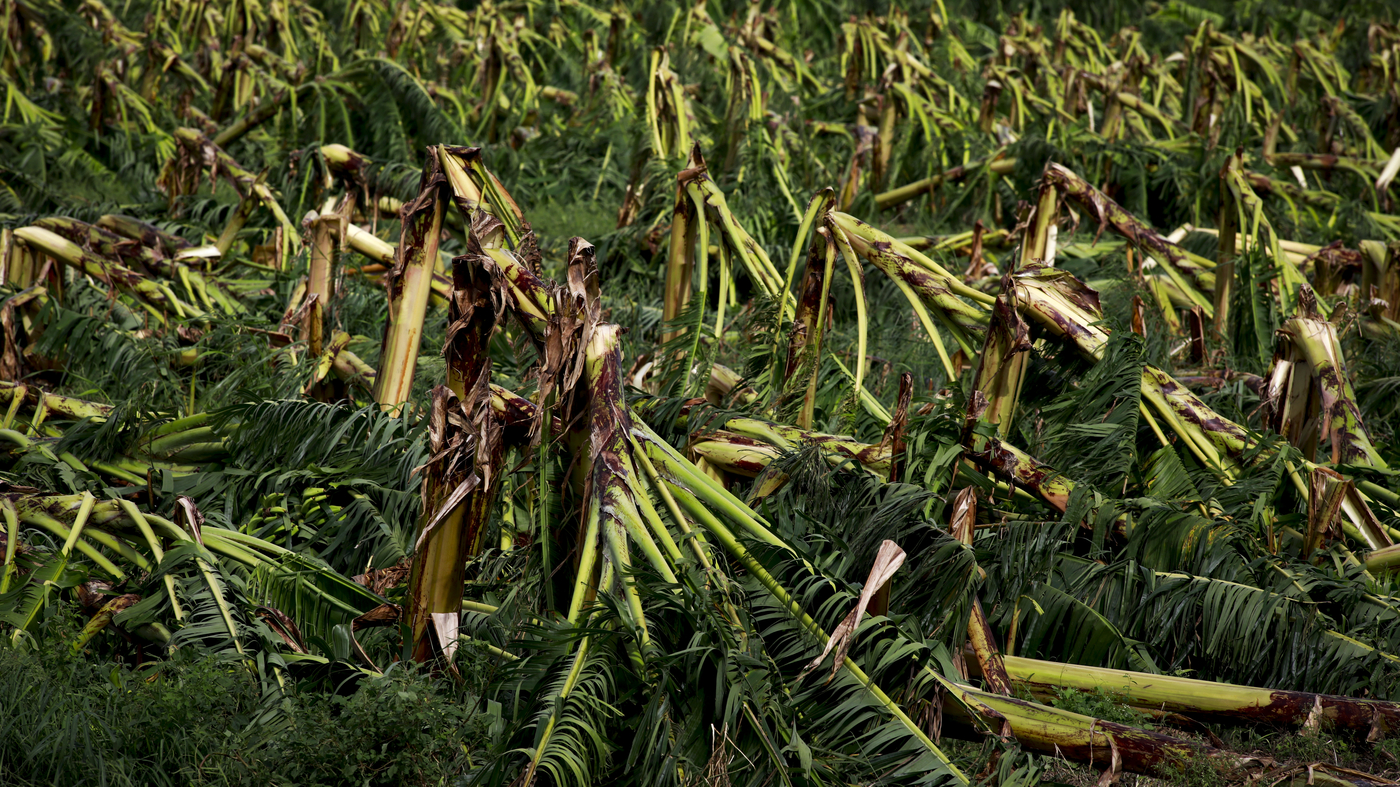
“The 2022 season was a trying season for Australian growers,” according to Richard Haynes, National Account Manager at Elders and Director at Potatoes South Australia. “Overall yields were back from the 2021 season which saw an oversupply towards the back end of the year. This probably caused the cautious planting nature moving into 2022. From the start there were some loses up front with the first window in South Australia, due to some early freak storms that caused hail damage throughout the area.
“The supply flow to all of the major processors was still pretty continuous and was satisfying the market. It did start to go downhill at the end of autumn leading into winter for the whole eastern sea board. Crops that were ready to be harvested couldn’t be due the extreme wet weather. This brought storage issues and even a break down in fresh potatoes coming into the lines. At the same time that this gap was forming, there was a jump in sales both in the food services sector and retail. This further pushed the gap between supply and consumer demand.”
This led into the growing conditions of the later plantings up through NSW, SA, QLD. A significantly colder and wetter growing season for these northern states further grew the gap and put even more pressure on the already stretched market supply wise.
“We had a big year with black leg and blight running through the whole year, which impacted greatly on quality and storage gaps. The extended wet and cold weather has pushed plantings back for delivery in 2023. Area has been dropped off for these windows for March/ April delivery due to wet conditions and availability of paddocks/fields in the right conditions. This will push demand and further the gap for the start of 2023. Other planting windows should catch up and close that gap coming into the middle of 2023.”
Along with commercial grower’s problems, the same has been felt in the seed industry. All conditions and outcomes have been mirrored in this industry.
Exports have been growing since 2015. Between 2015 and 2020 exports were up 26%. Going forward the demand has increased and Australia has capitalised on other global areas that are struggling with continuous supply and quality in those specific delivery windows. 2023 has seen a substantial lift in orders and according to Richard it will be interesting to see if Australian growers can deliver.
“We are starting to see Australia as a counter season provider of high-quality seed into Asia. Delayed seed plantings from October into the beginning of December due to the wet weather conditions in Southern Australia will lead to planting of seed fit for purpose in April and May 2023.”
Along with growing conditions growers experienced significant pain with the doubling of fertiliser prices, large increases in transportation costs and the ongoing issue with pallet availability for the movement of potatoes from shed to supermarkets.
Source - https://www.freshplaza.com