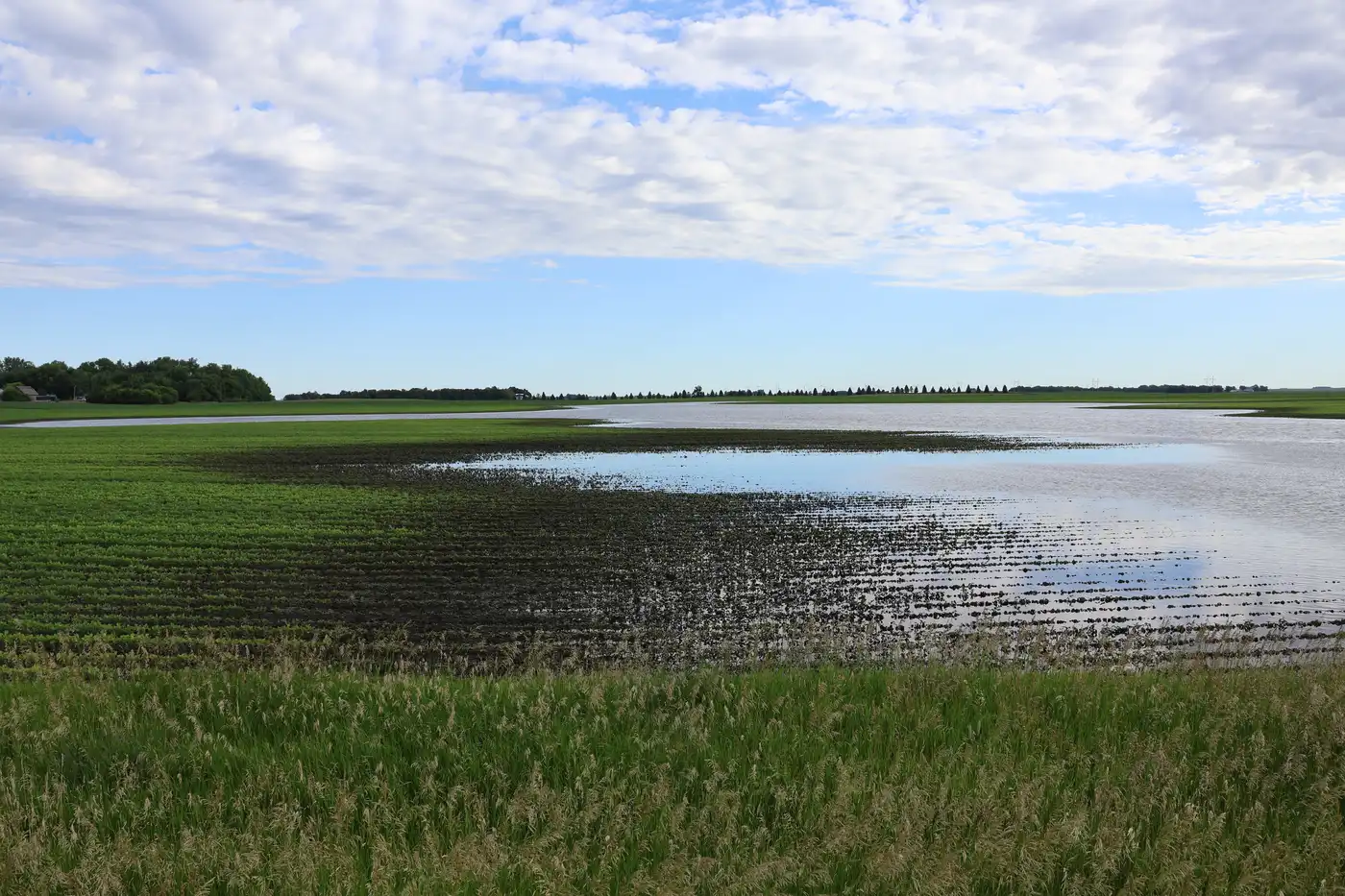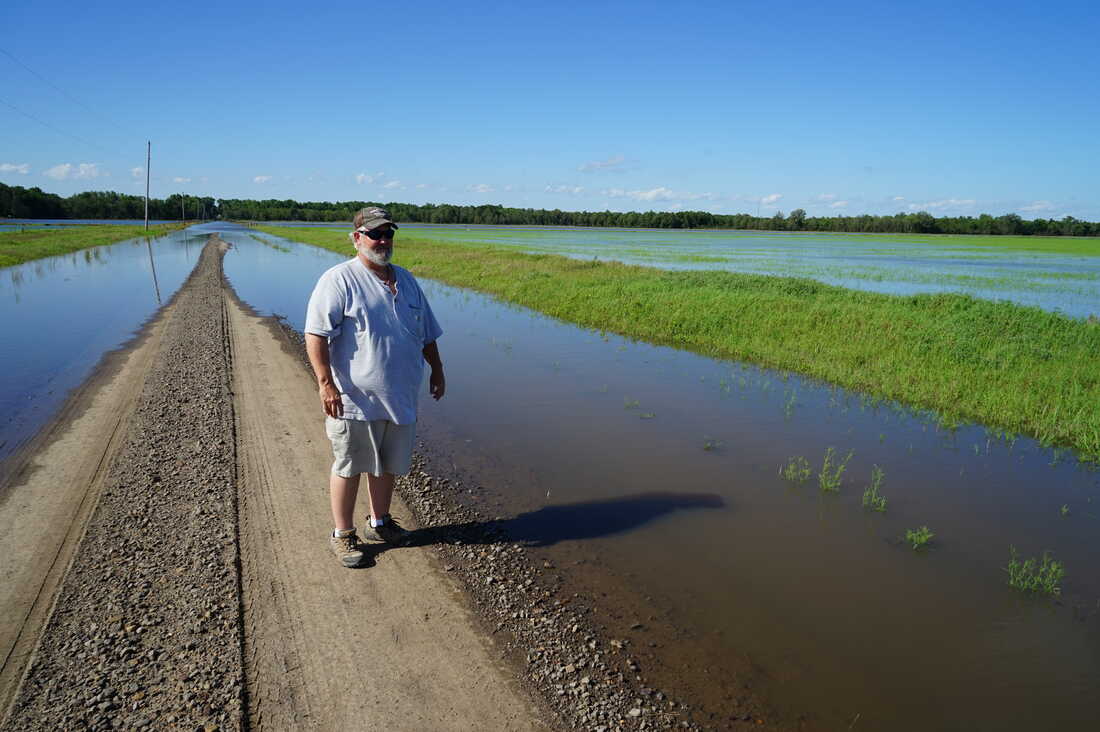
La Niña weather conditions continued to inhibit Australian economic activity over the December quarter. Regional areas in New South Wales, Victoria, South Australia, and Tasmania experienced severe flooding in late spring that directly affected the agricultural industry. There were further downstream impacts for the transport, manufacturing, and wholesale industries. The mining industry also continued to feel the impacts of the wet weather over the quarter.
Loss and damage to grain production saw elevated commercial crop insurance claims, while household insurance claims were significantly lower than for the February 2022 floods. This reflected a greater impact to regional areas in the December quarter floods compared to the February floods.
Industry impacts
Agriculture
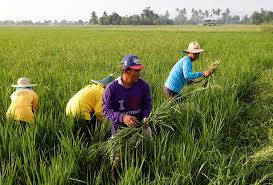
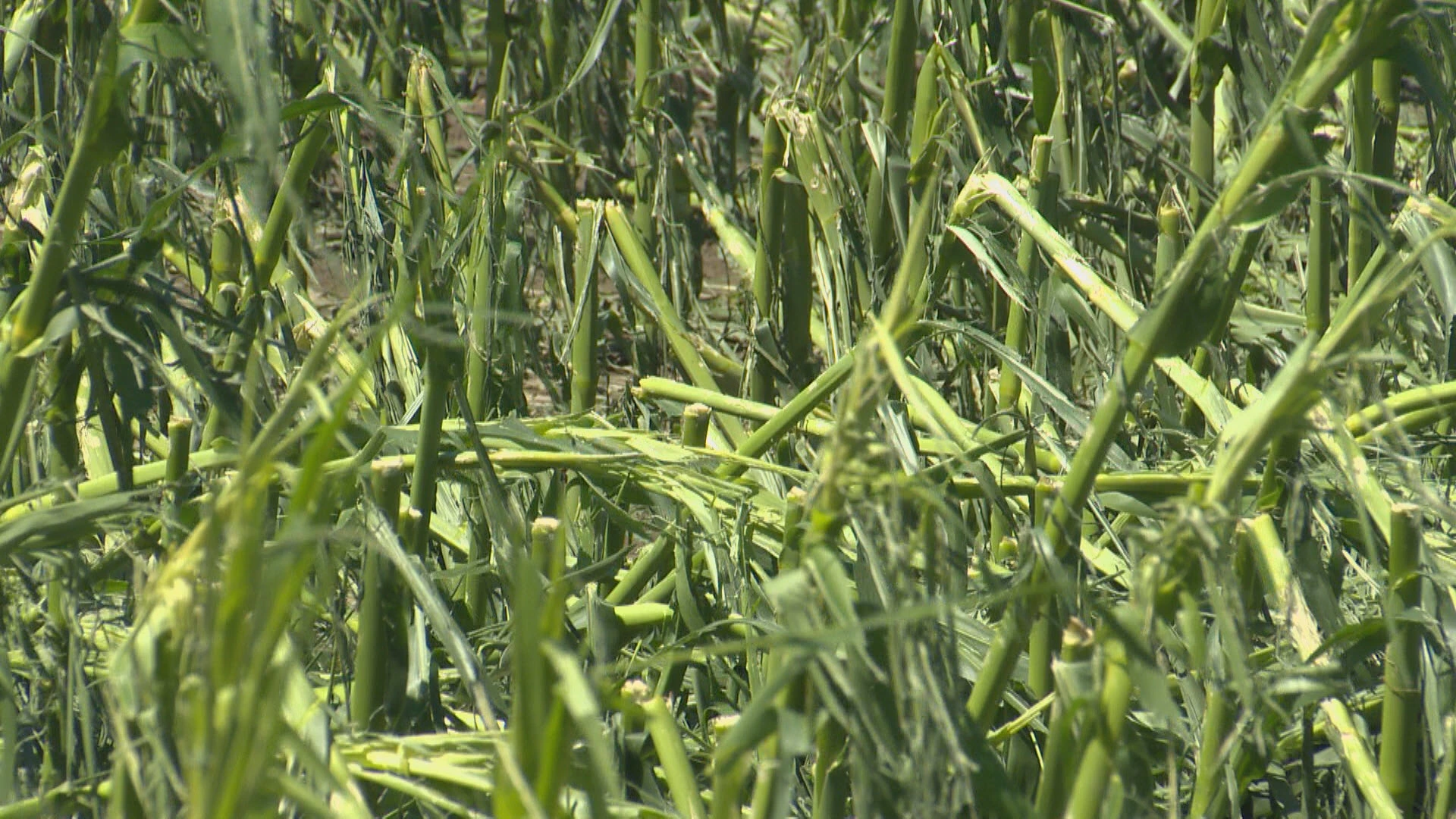
Agriculture gross value added (GVA) decreased by 2.8% in the December quarter 2022, as livestock and grain production were constrained by the floods. Livestock output decreased as flood waters prevented the transportation of cattle and lambs to abattoirs. Waterlogged grains led to reduced production, delayed harvests and reduced grain quality in the New South Wales and Victorian growing regions. This was partly offset by strong grain production in Western Australia and South Australia, which experienced favourable growing and harvest conditions.
Wet weather caused delays in the harvest and transportation from farms to grain storage. This resulted in farmers storing grain on site, driving a rise in farm inventories.
Transport, postal and warehousing
Flooding negatively affected transport output due to damaged road closures. This caused supply chain bottlenecks in the transport of farm goods, extended delivery times and increased freight costs. Road transport GVA declined 1.1% over the December quarter 2022. New South Wales and Victorian rail lines were also affected, but experienced fewer delays as major lines transporting coal and grain remained operational. Bumper harvests in Western Australia and South Australia experienced fewer rail disruptions, supporting rail output and exports of grains. Rail, pipeline and other transport GVA rose 1.8%.
Manufacturing
Food manufacturing output decreased, contributing to the 0.4% fall in food, beverage and tobacco product manufacturing GVA. Road closures and delays affected the transport of livestock to abattoirs, leading to lower meat manufacturing activity in New South Wales and Victoria. Dairy production experienced increased difficulty in transportation and cattle movement to and from milking yards.
Wholesale trade
Crop damage across the eastern states lowered grain wholesaling activity, although this was offset by large harvests in Western Australia and South Australia. The latter drove a rise in exports of cereal crops (+3.4%) and a build-up in wholesale grain inventories. Wholesale Trade GVA recorded an overall fall, driven by machinery and equipment, with imports of machinery and industrial equipment declining 6.9%.
Mining
La Niña continued to hamper coal production, which declined 1.4% this quarter. There was excess water at open cut coal mines along the New South Wales north coast and the Hunter region. Despite lower production, coal exports held up with the transportation of existing inventories to ports less affected by weather disruptions this quarter. Mining production in other parts of the country recovered from recent wet weather and shutdowns, particularly iron ore mining and oil and gas extraction. Mining GVA increased 3.2% overall.
Non-life insurance claims
Non-life insurance claims paid by financial corporations rose 3.7% in the December quarter 2022. Insurance Council of Australia data showed that by January 2023, there had been 31,756 insurance claims in central-west New South Wales, Victoria and Tasmania relating to the October and November floods. The total number of claims were lower relative to those received during the south-east Queensland and New South Wales floods in February 2022, though commercial crop claims contributed an elevated amount to the total share.
Government support
Government flood expenditure is reflected in government final consumption expenditure, including clean-up and road repairs, flood assessments and repair of flood affected schools in New South Wales. This expenditure is expected to continue into 2023.
Defence personnel were deployed into flood-affected regions in New South Wales, Victoria, and South Australia in October and November 2022 to assist with flood preparation, relief, and recovery. The scale of these operations was smaller than for the south-east Queensland and New South Wales floods earlier in 2022.
Financial assistance provided to households and business, including the Australian Government Disaster Recovery Payment, Disaster Recovery Allowance and flood recovery grants for business do not directly contribute to GDP, but are reflected in the income accounts as social assistance benefits and subsidies.
Source - https://www.abs.gov.au