Türkiye’s agricultural sector faces climate risks in 2025 while accelerating reforms in water management, digital farming, food safety and rural investment.
Türkiye’s agricultural sector navigated a year of heightened climate risk and structural transition in 2025, as widespread frost and deepening drought pressures reshaped production outcomes while accelerating policy-driven reforms in water management, digital agriculture and food safety.
Despite significant volatility in plant and livestock production, large-scale public investments, expanded insurance mechanisms and regulatory tools such as mandatory QR codes and the general agricultural census underscored a decisive push toward long-term resilience and modernization.
Official data released throughout the year revealed the scale of the challenges facing agriculture and water governance, as well as the scope of the state’s response. Developments spanning climate-related losses, financial support programs, irrigation modernization, digital transformation and institutional planning highlighted both the vulnerabilities and the transformation trajectory of the sector.
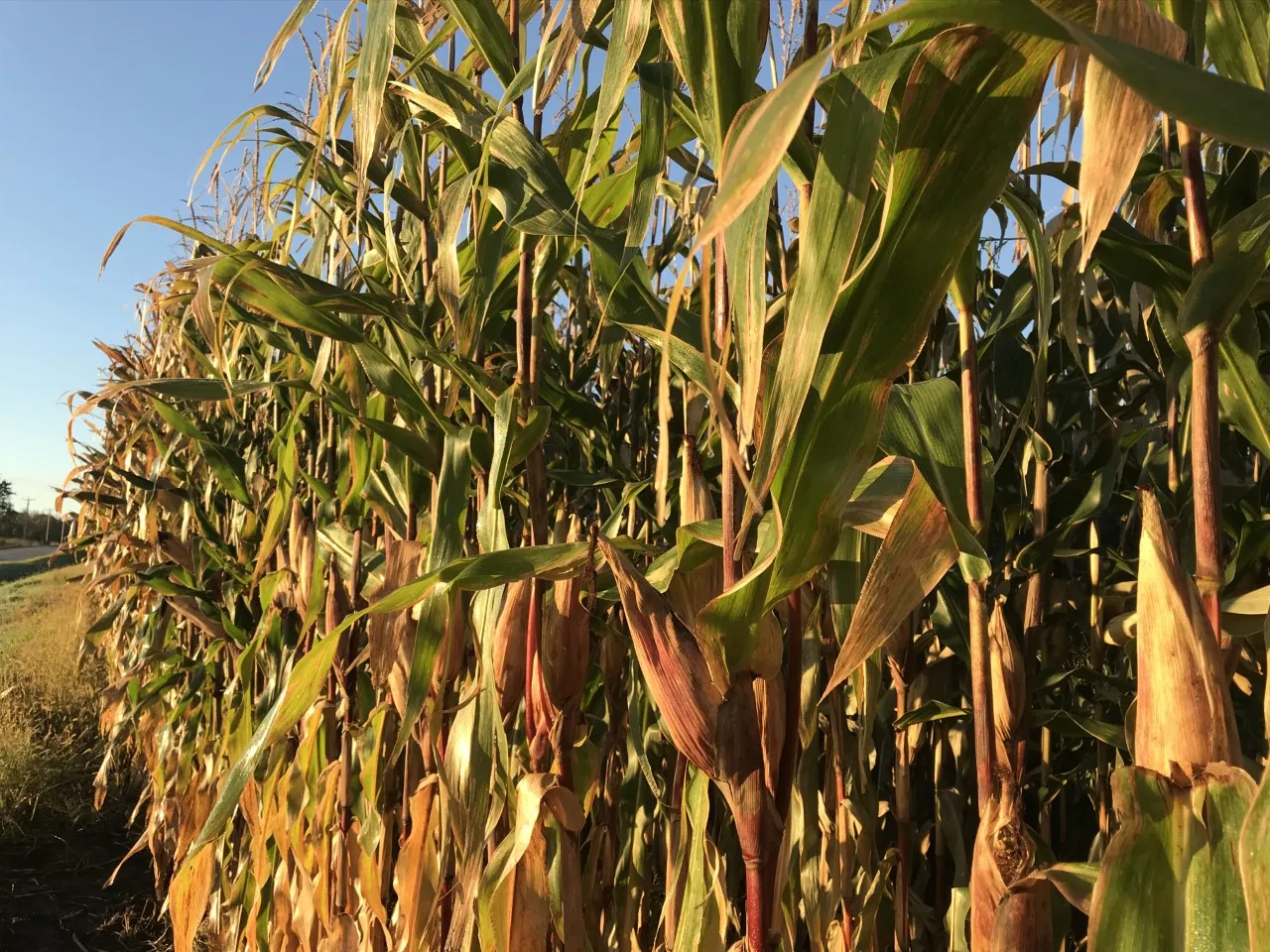
According to information compiled by Anadolu Agency (AA), unusually mild weather conditions in the early months of 2025 triggered a “false spring” effect, causing fruit trees to blossom earlier than seasonal norms. This premature growth left crops highly exposed when a severe frost event struck in April, affecting 65 provinces and causing significant damage across 16 agricultural products. In response, the Ministry of Agriculture and Forestry disbursed approximately TL 23 billion ($537.1 million) in frost-related agricultural support to affected producers by November, transferring payments directly to farmers’ accounts.
Alongside direct aid, the Agricultural Insurance Pool (TARSİM) expanded its risk coverage to better address drought, frost and excessive rainfall, while also increasing premium support rates. Village-based yield insurance subsidies were raised to 70%, and income protection insurance schemes were broadened to enhance income stability amid climate-driven uncertainty.
Water crisis deepens
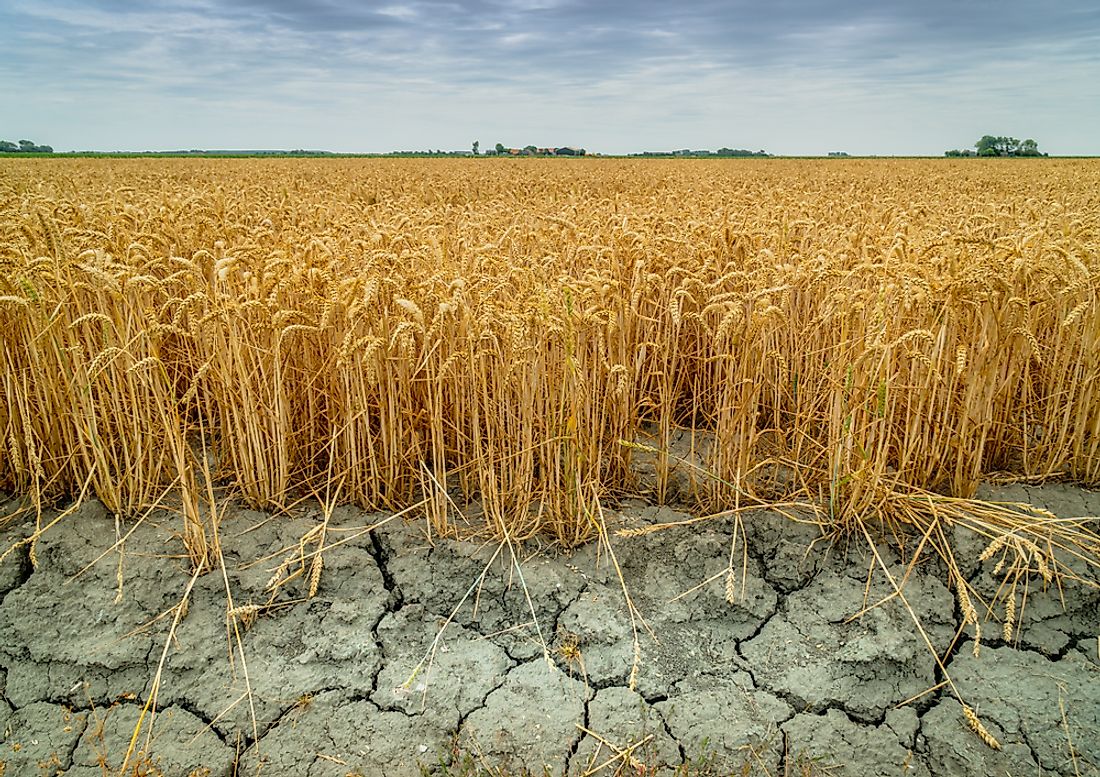
Drought conditions intensified throughout the year as declining rainfall and rising temperatures placed mounting pressure on water resources. Soil moisture levels fell to critical thresholds in agricultural basins across central Anatolia and southeastern Türkiye, while reservoirs in Thrace, Izmir and Bursa approached depletion.
Water cuts were implemented in Izmir and Bursa, and dam occupancy rates in Istanbul and Ankara declined to critical levels, heightening concerns over both agricultural and urban water security.
In August, the Ministry of Agriculture and Forestry unveiled the road map for Türkiye’s 10-year National Water Plan, outlining strategic priorities to protect, develop and efficiently manage water resources.
On Dec. 22, Agriculture and Forestry Minister Ibrahim Yumaklı announced that action plans had been initiated for Lake Eğirdir, which faces severe drought risk, and confirmed that similar plans for lakes Akşehir, Eber, Bafa, Beyşehir, Burdur, Iznik, Seyfe and Sapanca had been completed and would be implemented starting in 2026.
Water governance and sustainability also featured prominently on the international agenda. In November, Istanbul hosted the High-Level Panel of Agriculture Ministers under the theme “Preventing Food and Water Waste – Owning the Future.” The event focused on strengthening global cooperation to address food and water waste and on shaping sustainable agricultural policies, with participation from First Lady Emine Erdoğan and Minister Yumaklı.
Investment in irrigation infrastructure remained a cornerstone of Türkiye’s water strategy. As a continuation of the Türkiye Irrigation Modernization Project, the World Bank’s Executive Directors Board approved $891.4 million in financing for the Türkiye Irrigation Modernization-2 Project. The initiative will be funded through resources allocated by the Ministry of Treasury and Finance and implemented by the State Hydraulic Works (DSI). During the fourth meeting of the National Water Council, DSI also discussed new targets for water governance, as Minister Yumaklı announced that TL 147 billion would be allocated to irrigation investments, enabling the rollout of 321 projects nationwide.
Structural reform efforts extended to data-driven planning. On July 1, the Ministry of Agriculture and Forestry and the Turkish Statistical Institute (TurkStat) launched the General Agricultural Census across Türkiye. The census covers 2.75 million agricultural holdings and 18.84 million parcels, with approximately 80% of data collection completed.
The study compiles information on agricultural land use, non-agricultural land under farm management, agricultural machinery and equipment, and agricultural employment, providing a comprehensive foundation for future policy design.
Food safety reforms
Food safety and consumer transparency advanced through regulatory measures. The ministry made the QR code system, first introduced on June 7, 2024, mandatory for all food retail and mass catering establishments as of July 28, 2025. The system enables consumers to access information on product origin, ingredients and inspection history, while strengthening oversight against counterfeit and unsafe food products.
Infrastructure investments continued at scale. In 2025, DSI completed 321 facilities nationwide, including 22 dams, seven ponds and weirs, three underground dams, 70 irrigation facilities, eight land consolidation projects, 12 drinking water and wastewater facilities, 193 flood protection structures and six hydroelectric power plants.
These investments brought 70,213 hectares (173,500 acres) of land under irrigation, with projected annual economic contributions of TL 7.2 billion and the creation of approximately 64,000 employment opportunities in the agricultural sector.
Technological transformation was also showcased at Teknofest 2025, held at Istanbul Atatürk Airport, where agriculture featured prominently. A 2,500-square-meter “smart barn” was established for the first time, demonstrating technologies that enable digital operation of processes ranging from milking and manure management to tropical fruit harvesting. Within the framework of the “Fully Independent Türkiye in Food” vision promoted by the Agricultural Technologies Cluster (TÜME), young audiences were introduced to next-generation agricultural practices.
Rural development and investment support continued under IPARD-III, a joint EU-Türkiye funding mechanism. The program aims to modernize agriculture, increase rural incomes and expand food production and processing capacity across all 81 provinces. To date, IPARD-III has supported approximately 26,000 projects and created nearly 105,000 jobs nationwide.
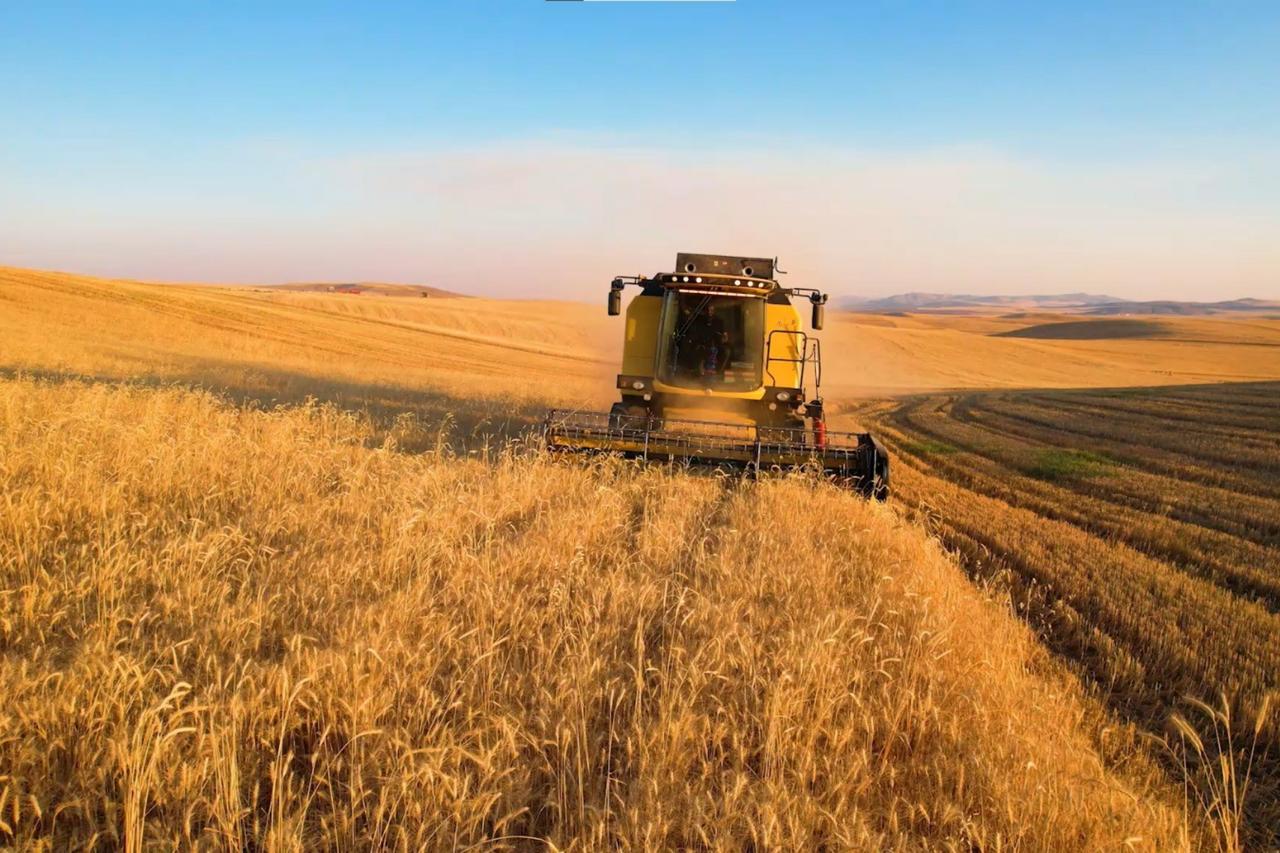
Production data reflected the impact of climatic stress. TurkStat’s “Crop Production, Second Estimate, 2025” projected a year-over-year decline in total crop output, with cereals and other crops expected to fall by 10.4%, vegetables by 0.8%, and fruits, beverage and spice crops by 30.4%. Total production was estimated at 67.1 million tons for cereals and other crops, 33.3 million tons for vegetables, and 19.8 million tons for fruits and spices.
Livestock figures presented a mixed picture. Large livestock numbers reached 17.189 million head, with cattle numbers rising by 1.2% compared to December of the previous year, while buffalo numbers declined by 2.3%. Small livestock totaled 58.206 million head, driven by increases in both sheep and goat populations.
Cost pressures remained a key challenge. TurkStat’s Agricultural Input Price Index (Tarım-GFE) recorded a 34.09% annual increase in August 2025, with prices for agricultural goods and services rising by 35.07% year-over-year and investment-related inputs increasing by 28.51%.
International institutions also contributed to the sector’s strategic outlook. The Food and Agriculture Organization of the United Nations (FAO) and the European Bank for Reconstruction and Development (EBRD) released the “Digital Technologies for Agriculture in Türkiye” report, positioning it as a reference framework for Türkiye’s digital transformation in agriculture.
Toward the end of the year, the Ministry of Agriculture and Forestry convened the 4th Agriculture and Forestry Council under the theme “The Century of Türkiye, the Century of Abundance.” The council concluded with the identification of 371 targets and 2,678 strategic actions, providing a long-term roadmap aimed at strengthening productivity, sustainability and resilience across Türkiye’s agricultural sector.
Source - https://www.dailysabah.com