The Government of Armenia has confirmed that its agricultural insurance programme will be reinstated on 15 February 2026, offering a renewed risk‑management lifeline for farmers in the face of increasingly erratic weather patterns. The announcement was made by Economy Minister Gevorg Papoyan during a live broadcast on his official Facebook page, signalling a significant step in stabilising the country’s agricultural sector and protecting rural livelihoods.
This move comes after previous pilot schemes aimed at expanding insurance coverage for crops susceptible to natural hazards such as hail, drought and spring frosts. Historically, such schemes have proved vital in supporting farmers to absorb the financial impact of crop losses and secure long‑term investment in production capacity.
Crops Covered and Risk Protection
Under the 2026 initiative, a broad range of crops will be eligible for insurance against key agricultural risks. These include both fruit‑bearing and staple crops, reflecting Armenia’s diverse agricultural output.
Insured crops for 2026 season:
| Crop Category | Examples |
|---|---|
| Fruit crops | Apricots, grapes, apples, peaches, plums, cherries, sweet cherries |
| Melons & watermelons | Melons, watermelons |
| Root & tuber crops | Potatoes |
| Grain crops | Wheat, barley, oats |
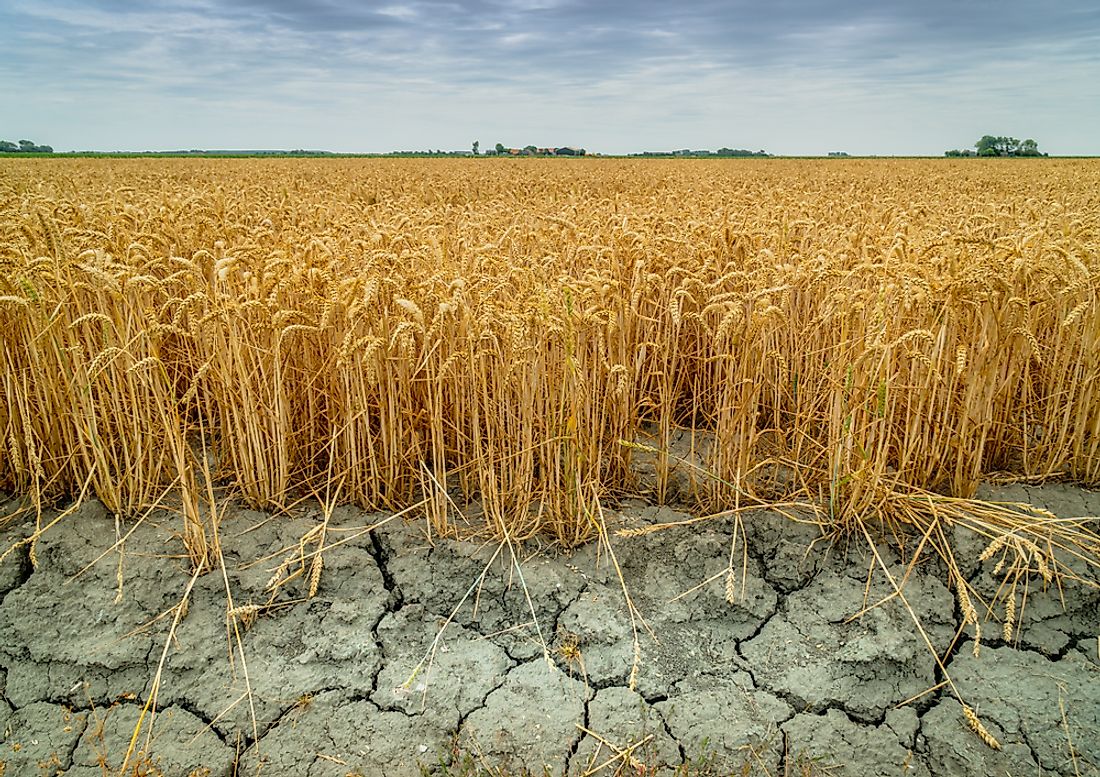
The policy officially covers losses from hail, spring frosts and drought, three of the most common climatic hazards affecting Armenian agriculture.
Government Support and Subsidies
To make insurance more affordable and attractive for farmers, the Armenian Government has detailed a subsidy structure that differentiates between crop types:
40 % premium subsidy for key staple and orchard crops:
– Apricots
– Wheat
– Barley
– Oats
60 % premium subsidy for all other insured crops, including grapes, apples, peaches and potatoes.
Such state support is designed to reduce the financial burden on producers and encourage wider participation, reinforcing agricultural resilience against market volatility and climate risks.
Strategic Importance of the Insurance Initiative
Agriculture remains an essential part of Armenia’s economy, employing a large segment of the population and contributing significantly to exports and rural incomes. Insurance schemes like this are seen as tools to promote financial stability, risk mitigation and confidence among farmers by buffering against severe weather events that can devastate harvests.
Reintroducing and enhancing the programme after earlier pilot phases reflects both the government’s commitment to rural development and recognition of the challenges posed by climate change. As has been noted by observers, such risk‑sharing mechanisms help stabilise rural economies by providing predictable compensation following crop failures.
As the 2026 agricultural season approaches, further details on implementation, registration dates and participating insurers are expected to be released by the Ministry of Economy. This relaunch is likely to be closely watched by farmers and agribusiness stakeholders alike, as they prepare for another crucial planting and growing cycle.
Source - https://khaborwala.com