Nitrous oxide (N₂O) is usually discussed as a climate problem – a powerful greenhouse gas that can spike in soils after fertilizer use. But new research from the Massachusetts Institute of Technology (MIT) suggests it may also play an unexpected biological role.
In laboratory experiments, N₂O did not simply linger in the background. Instead, it reshaped which microbes could survive near plant roots by selectively harming some bacteria while giving others an advantage.
Root microbes feel nitrous oxide
Because these microbes help plants gather nutrients and fend off disease, even small shifts in the community can affect plant health.
The researchers say that if the same patterns occur in real agricultural soils, nitrous oxide could turn out to be an overlooked force shaping the root-zone ecosystems that crops depend on.
“This work suggests N₂O production in agricultural settings is worth paying attention to for plant health,” said senior author Darcy McRose of MIT. “It hasn’t been on people’s radar, but it is particularly harmful for certain microbes.”
“With more research, you might be able to understand how the timing of N₂O production influences these microbial relationships. That timing could be managed to improve crop health.”
Nitrous oxide’s overlooked toxicity
Nitrous oxide has been known to be toxic in certain contexts for decades. One classic example is its ability to deactivate vitamin B12 in the human body.
Yet in soil and agriculture, it has largely been treated as a climate and ozone issue, not a substance that directly affects living communities.
“In general, there’s an assumption that N₂O is not harmful at all despite this history of published studies showing that it can be toxic in specific contexts,” McRose said. “People have not extended that understanding to microbial communities in the rhizosphere.”
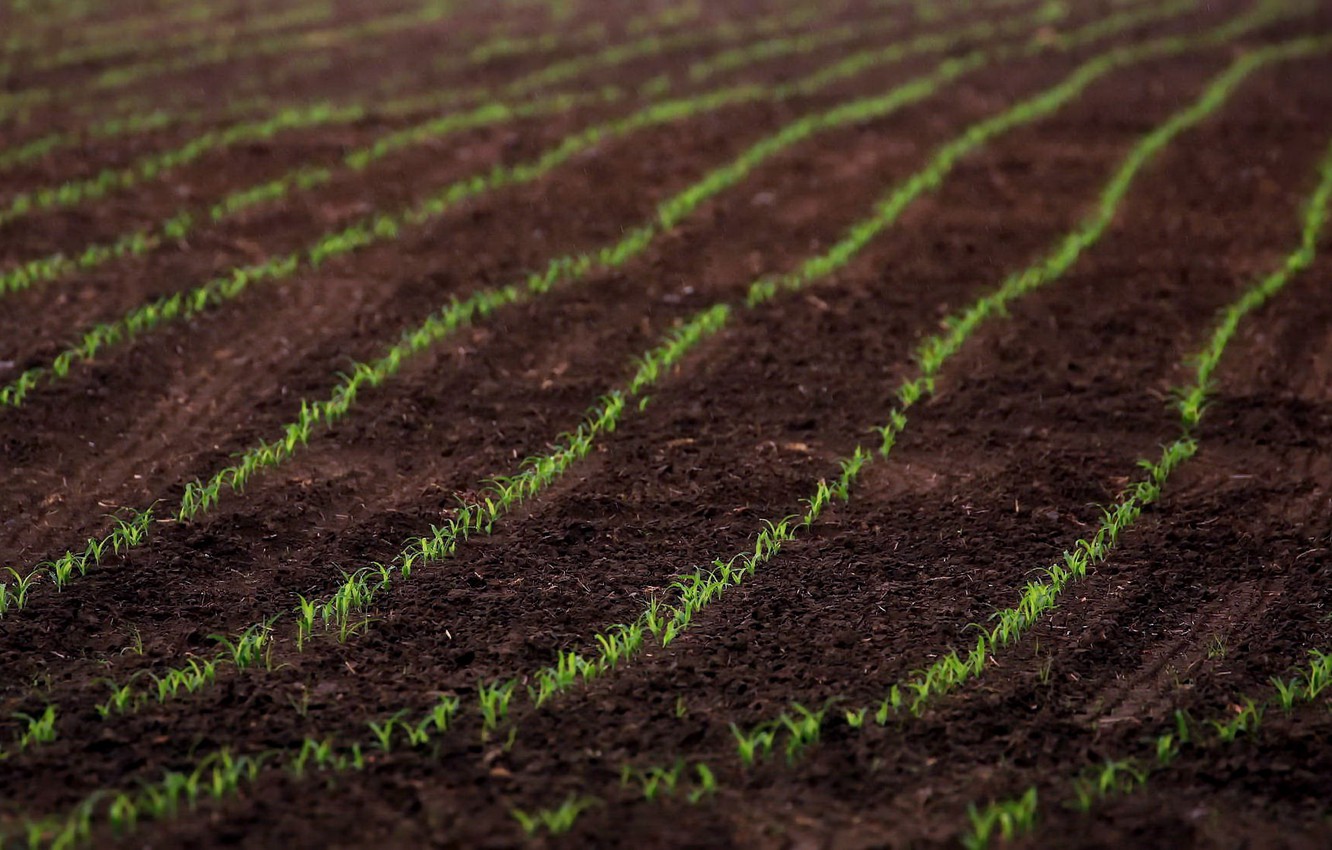
The rhizosphere is the busy zone around plant roots where bacteria and other microbes compete and cooperate, helping plants access nutrients and fend off pathogens. If nitrous oxide influences who survives there, it could shift the whole balance of the root microbiome.
Nitrous oxide hits B12 pathway
To dig into how nitrous oxide might affect microbes, the team focused on methionine biosynthesis, a basic process cells need for growth.
Some microbes make methionine using enzymes that depend on vitamin B12. Others can use a different pathway that does not rely on B12. Many bacteria carry both options, which gives them a kind of metabolic backup plan.
The researchers used a well-studied bacterium, Pseudomonas aeruginosa, and genetically removed the methionine enzyme that does not depend on B12.
When researchers removed that backup, the bacterium became sensitive to nitrous oxide. Even the nitrous oxide it produced itself harmed its growth, suggesting the effect is not limited to outside exposure.
Mixed microbial communities can experience problems when some organisms generate N₂O.
Pattern appears in root microbes
The team then widened the lens beyond one microbe. They looked at a synthetic microbial community associated with Arabidopsis thaliana, a model plant often used in lab studies. In that community, many root-associated microbes also turned out to be sensitive to nitrous oxide.
When the researchers paired nitrous oxide–sensitive microbes with bacteria that produce nitrous oxide, growth suffered.
“This suggests that N2O-producing bacteria can affect the survival of their immediate neighbors,” said study co-author Phillip Wasson, a Ph.D. student at MIT.
Together, the experiments supported a clear idea. Nitrous oxide production can suppress bacteria that rely on vitamin B12–dependent enzymes to make methionine, potentially altering which microbes dominate at the plant root.
“These results suggest nitrous oxide producers shape microbial communities,” McRose said.
“In the lab the result is very clear, and the work goes beyond just looking at a single organism. The co-culture experiments aren’t the same as a study in the field, but it’s a strong demonstration.”
How common could this sensitivity be?
The researchers didn’t stop with lab cultures. They also looked at how widespread these vulnerable pathways are across bacteria with sequenced genomes.
Based on that analysis, they estimate that roughly 30 percent of bacteria with sequenced genomes may be susceptible to nitrous oxide toxicity.
That’s a huge number. If it holds up, it suggests nitrous oxide could be shaping microbial ecosystems far more broadly than previously assumed. It may do this not only by changing soil chemistry, but also by actively selecting which microbes can tolerate the environment.
What this could mean on farms
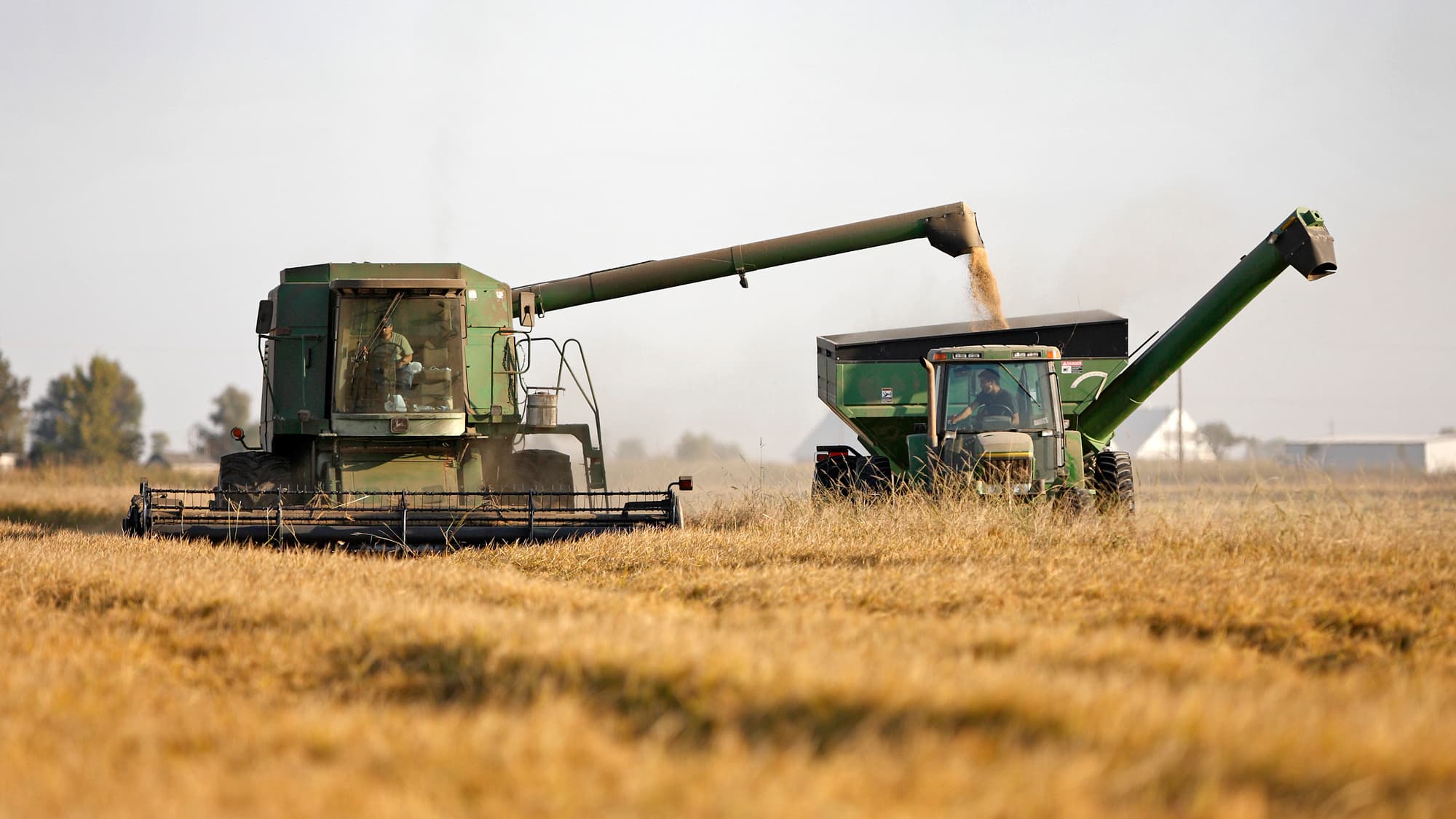
In real agricultural soils, nitrous oxide spikes are not rare. Nitrous oxide spikes can persist for days or weeks after farmers apply nitrogen fertilizer, after heavy rainfall, during thawing periods, and under other common field conditions.
Those bursts mean crops may encounter nitrous oxide during critical stages of root development, when microbial partnerships begin forming around young roots.
The researchers stress that the current evidence comes from laboratory experiments. Real soils are far more complex, with many interacting biological and chemical factors.
Even so, the team believes the results are strong enough to justify testing the idea directly in agricultural soils.
Wasson described the study as a proof of concept and said the next step is to examine soil microbial communities in farm environments.
“In agricultural environments, N₂O has been historically high,” Wasson said. “We want to see if we can detect a signature for this N₂O exposure through genome sequencing studies, where the only microbes sticking around are not sensitive to N₂O. This is the obvious next step.”
A testable prediction in soil microbes
The research also points to a genetic mechanism that could determine which microbes survive nitrous oxide exposure.
McRose noted that microbes carry different versions of a key enzyme. Some appear sensitive to N₂O, while others allow microbes to tolerate the gas more easily.
Because of this difference, repeated nitrous oxide exposure should favor microbes with the more resistant enzyme version, gradually reshaping soil communities.
“What’s important about this case is it predicts that microbes with one version of an enzyme are going to be sensitive to N₂O and those with a different version of the enzyme are not going to be sensitive,” McRose said.
If the hypothesis holds, nitrous oxide becomes more than a climate pollutant. It could also act as a hidden ecological lever in the rhizosphere – influencing crop growth, soil resilience, and the microbial life plants rely on.
Source - https://www.earth.com