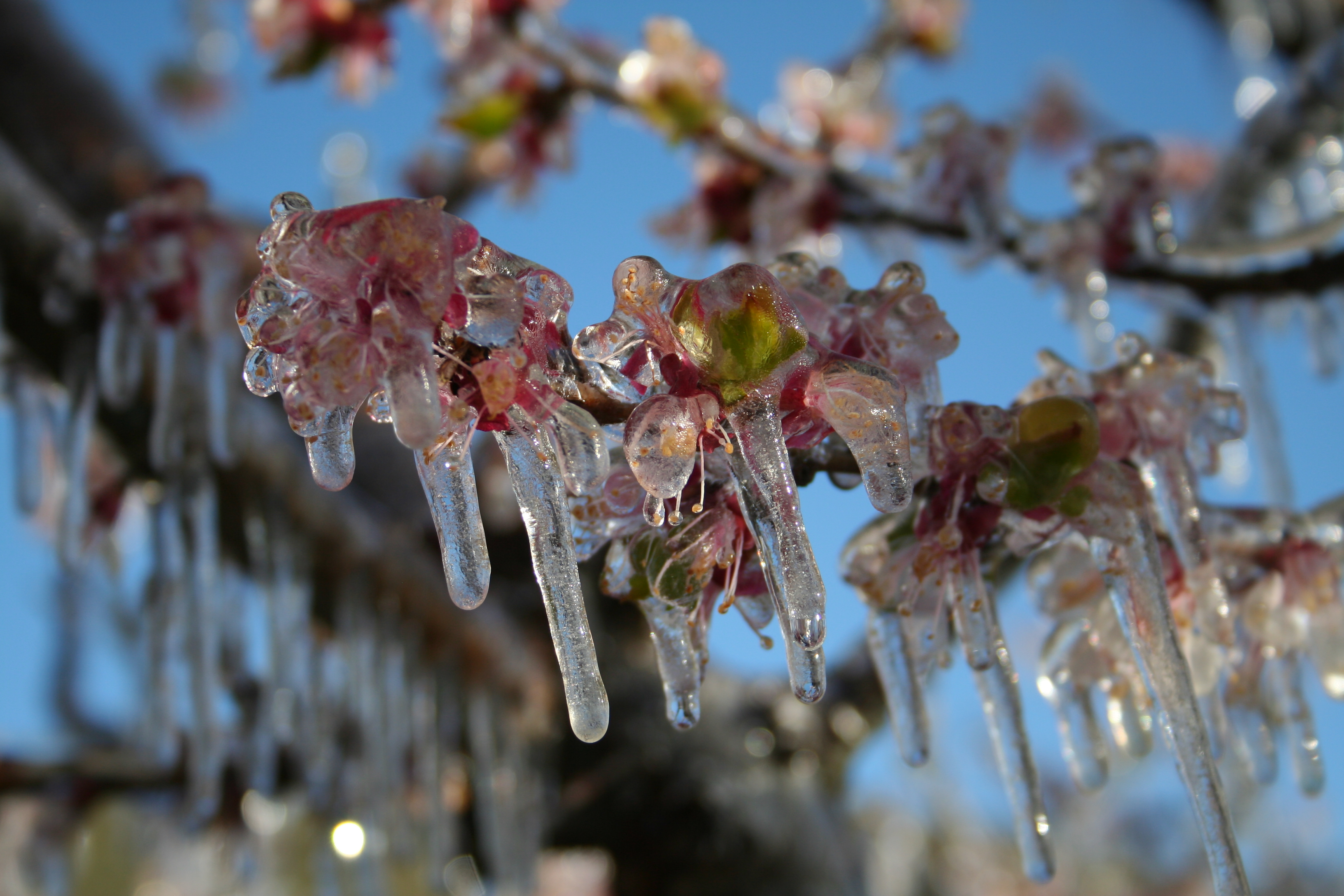
As forecasts called for freezing weather, David Hill planned to run sprinklers overnight, hoping a coating of ice would protect the crops at his Clermont farm.
But Hill, who owns Southern Hill Farms, had never tried freeze protection in temperatures as low as were predicted for the early hours of Feb. 1. So he decided to spray water on only half his fields.
The sprinkler plan didn’t work, as a heavy, milky ice formed, which broke branches and ruined crops. But the other fields suffered damage too as the temperatures plummeted into the low 20s on the first days of February.
The freezing weather wiped out all the farm’s sunflowers, half its blueberries and a third of its strawberries, taking a good chunk of revenue with it.
“There will be no normal about this season. That’s for sure,” Hill said.
That is true across the state.
The cost of freeze damage to Florida’s farmers might top $1 billion, the Florida Department of Agriculture and Consumer Services said in a statement this week.
Every farmer as far south as Lake Okeechobee who was actively growing crops was hurt by the record-setting cold snap, said Matt Smith, a commercial crop agent for Lake and Orange counties with the University of Florida’s Institute of Food and Agricultural Sciences.
Smith said it may take months to understand the severity of the freeze. Farmers may see signs of fruit damage within two to four weeks – but wood damage may not be evident until April.
And many farmers will be facing tough decisions soon. If the damage in a crop hits a certain level, it’ll be unsustainable to bring the rest of the crop to the market.
The agriculture sector in Florida “is definitely hurting right now, and it’s going to take a little time to see to what extent,” he added.
Hank Scott, the general manager at Long & Scott Farms near Lake Apopka, said his cabbage suffered minimal damage. But cabbage is a leafy, winter vegetable better able to survive during the cold.
His farm lost some strawberries but still planned to open for “u-pick” customers this month.
Blueberry crops, however, were hit hard. Blueberry bushes are particularly susceptible to the cold, and when sprayed, their bushes couldn’t handle the weight of the ice that formed.
Scott West, the owner of Tom West Blueberries in Ocoee, said the ice likely reached 100 pounds per plant.
“This amount of ice…just breaks the plant to pieces,” he said.
West said his farm lost from 70% to 80% of its blueberries, which covered 20 acres.
It will be a while before the plants bounce back, if they are healthy enough to survive. In the meantime, he’ll need plenty of workers to help remove broken branches, start a fungicide program, and stake the plants, West said.
“I don’t think we have a choice but try to keep the workers on because you can’t spring back without the best farming practices,” he said.
It’s too soon to tally his financial losses, West said, but he expects some farms might go out of business.
On Tuesday, Gov. Ron DeSantis issued an executive order in response to “last week’s winter weather event.” Without providing specifics, the message posted on X said the state was working to help “facilitate emergency harvesting,” protect “Florida agriculture from further losses” and provide “prompt assistance” to farmers.
Though the state still has staff assessing damage from the freeze, “we do know that the damage to Florida crops will be significant, possibly over $1 billion,” said Agriculture Commissioner Wilton Simpson in his department’s statement.
He added, “Our farmers are resilient and we believe they will continue to weather the storm.”
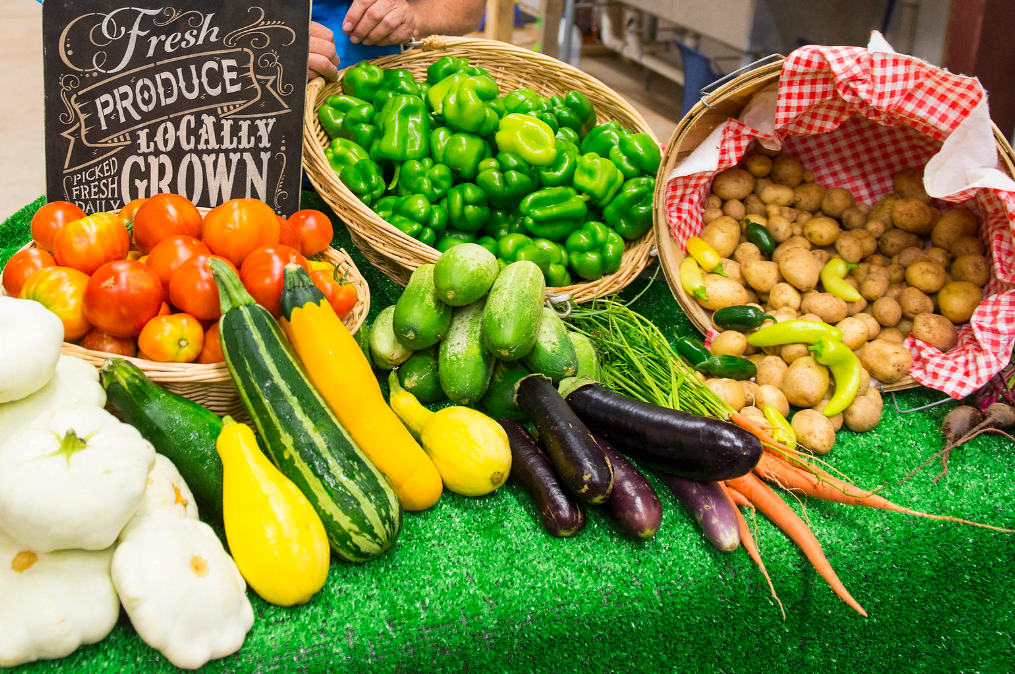
Residents can support Florida farmers by buying from local farms, visiting their “u-pick” events or purchasing produce with a “Fresh from Florida” label, said Smith, the UF employee who has been speaking with farmers across the state.
Hill said farmers have no choice but to keep working. Southern Hill, which is a family-run farm, opened its land to the public last weekend but had no produce to sell. Visitors were invited for food trucks and amusement park rides.
“You feel like somebody sucker-punched you to the stomach. You feel like you’re dreaming and you’re going to wake up but you never do. But you learn to cope,” Hill said.
Source - https://www.orlandosentinel.com