In late Ashoj and early Kartik of 2078 BS, unseasonal rainfall across Nepal, including Jhapa, caused massive damage to ripening paddy crops. According to the then Agriculture Knowledge Center in Jhapa, the unseasonal rain destroyed 50 percent of the paddy crop, resulting in losses worth billions.
The Agriculture Knowledge Center collected damage reports in coordination with local levels and forwarded them to the provincial and central governments. The federal government even passed the 'Criteria for Providing Relief to Farmers for Paddy Crop Damage Due to Unseasonal Rain-2078' to compensate for the losses.
Accordingly, the Environment and Disaster Management Branch of the Ministry of Federal Affairs and General Administration issued a circular on Mangsir 17, 2078 BS, to all rural and urban municipalities to provide support and coordination. Following these criteria, municipalities urged farmers to open bank accounts. Farmers complied, but according to Devindra Prasad Chamlagai, Chairman of Barhadashi Rural Municipality in Jhapa, they have yet to receive any compensation.
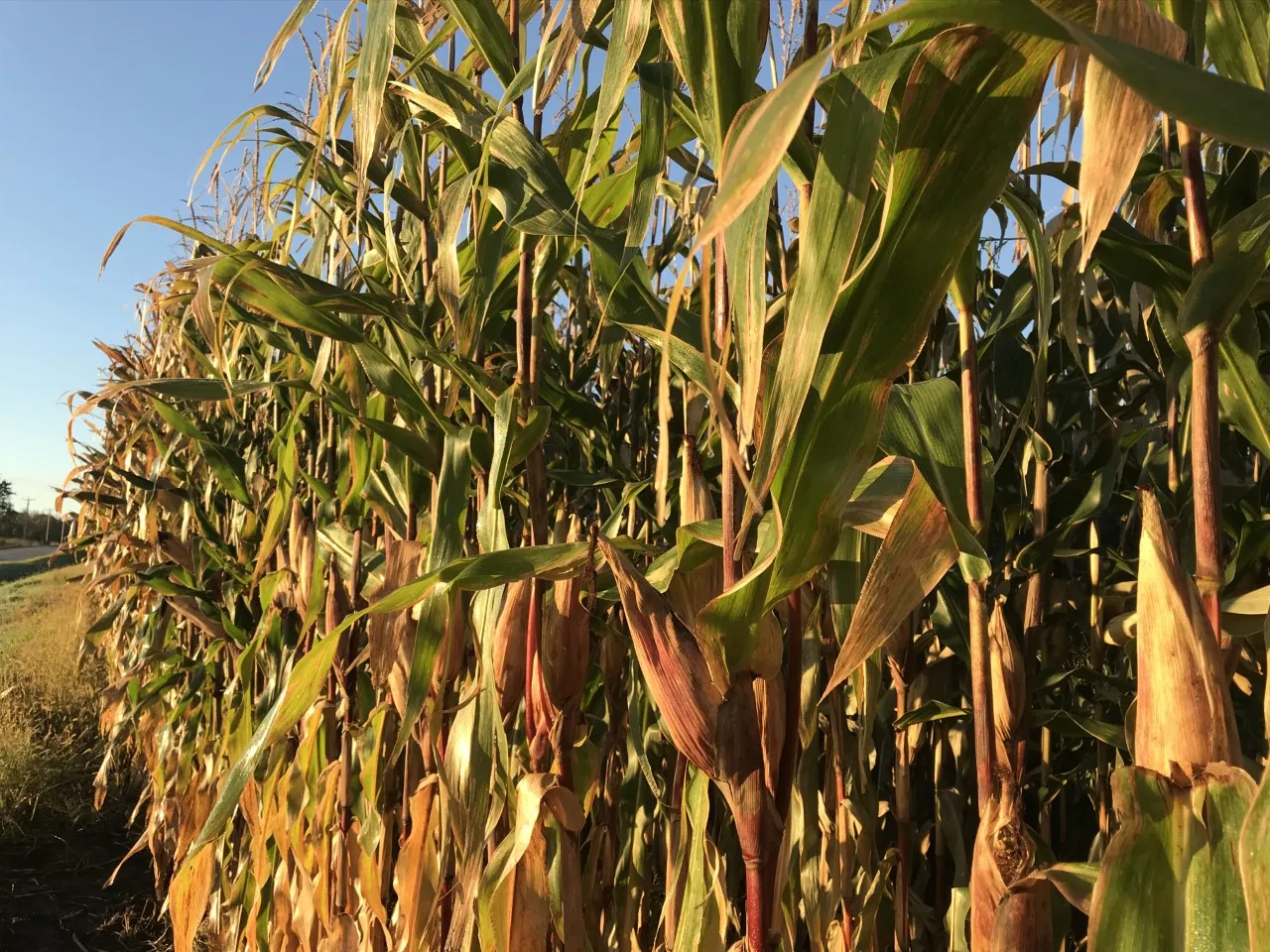
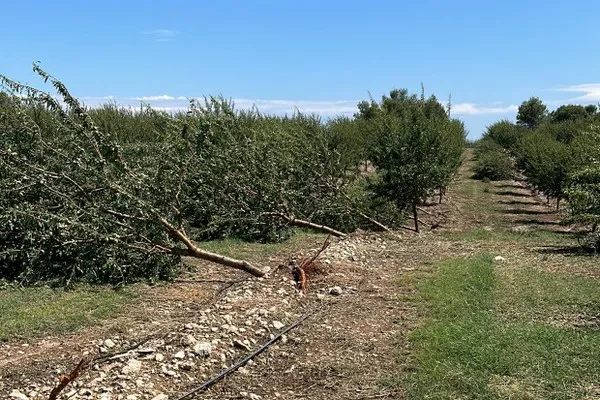
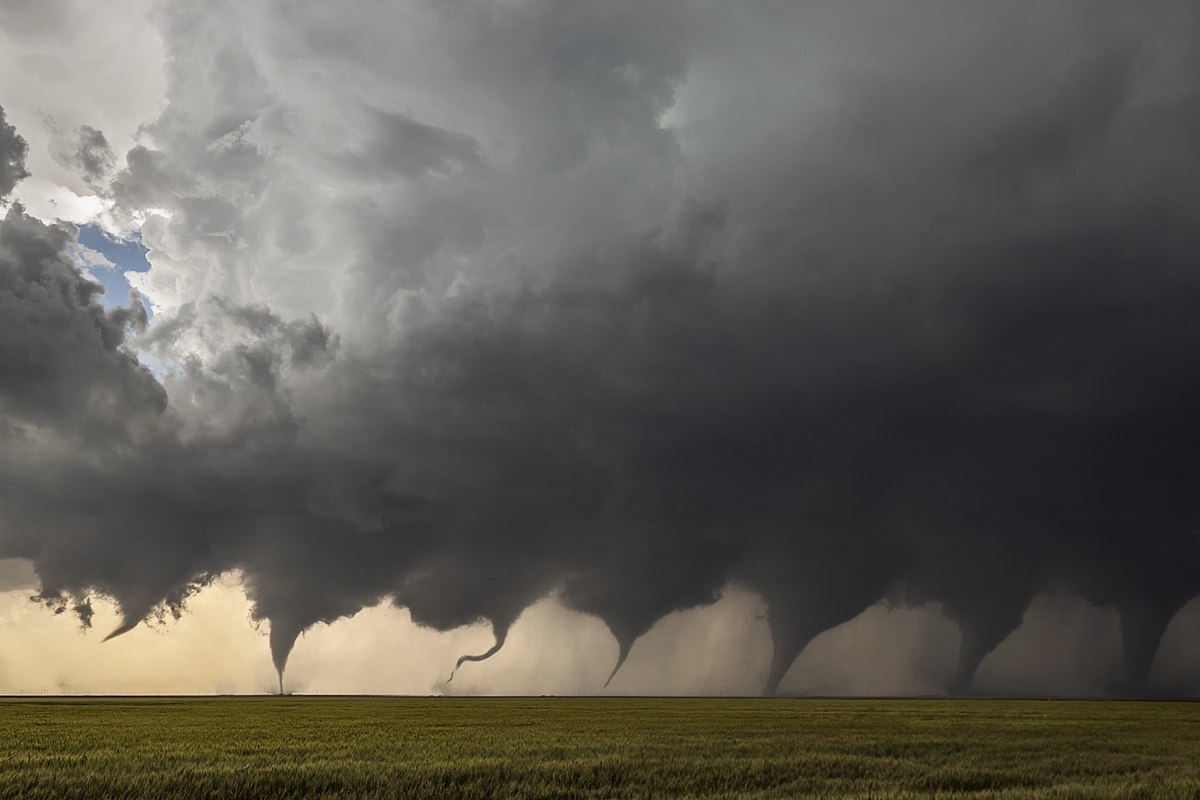
Farmers who did not receive compensation for past losses faced another disaster in the last week of Falgun 2082 BS. Repeated storms, hail, and rain devastated cash crops like maize, vegetables, fruits, and the beekeeping industry. According to the District Agriculture Knowledge Center in Jhapa, the agricultural sector suffered billions in losses between the last week of Falgun and the second week of Chaitra alone.
Barhadashi Rural Municipality in Jhapa was the most affected. The municipality began collecting damage reports again, but this time, farmers were reluctant to provide data. 'Farmers ask why they should provide data when they won't receive compensation,' said Chairman Chamlagai. 'They are venting their frustration over not receiving the 2078 BS compensation.'
The provincial government reported that the storms and hail in the last week of Falgun caused damages worth 1.7632 billion rupees in agriculture and livestock across Okhaldhunga, Dhankuta, Sunsari, Morang, Jhapa, and Solukhumbu in Koshi Province.
Furthermore, continuous rainfall from Ashoj 17 to 19, 2082 BS, caused 696.4 million rupees in damages to the agricultural sector across all 14 districts of Koshi Province. Although this data was sent to the center, no farmer has received compensation to date.
Another major disaster faced by farmers in Jhapa, Morang, and Sunsari is Bird Flu. Since the first week of Chaitra, Bird Flu has caused losses worth millions for poultry farmers. According to the Directorate of Livestock and Fisheries Development of Koshi Province, over 100,000 birds affected by Bird Flu have been culled, and over 250,000 eggs have been destroyed, mostly involving layers and broilers.
Pashupati Pokharel, spokesperson for the Ministry of Industry, Agriculture, and Cooperatives of Koshi Province, estimated the loss from Bird Flu at 500 million rupees. He stated that data collection is ongoing, though he is not confident that compensation will be provided.
Two years ago, thousands of cattle died in Koshi Province due to Lumpy Skin disease. The ministry collected data in coordination with the Agriculture Knowledge Center, veterinary offices, and municipalities and recommended compensation to the center. However, the ministry admits that no farmer has received compensation yet.
'If we were to provide compensation based on previously collected data, it would exceed our capacity,' said spokesperson Pokharel. 'If the federal government or any government wants to uplift farmers, it seems necessary to allocate 10 percent of the budget specifically for disaster compensation.'
Not only in Jhapa and Morang, but in hilly districts like Dhankuta and Ilam, data is collected annually for the relocation of settlements due to natural disasters, but no action is taken. 'We requested the federal government for a budget for settlement relocation, but we haven't received it yet,' said Chintan Tamang, Mayor of Dhankuta Municipality. 'Now we are trying to do what we can at the municipal level. There is no hope from above.'
The federal and provincial governments have yet to release the budget to rebuild homes for the people of Ilam damaged by floods and landslides in Ashoj 2082 BS. In Ilam alone, 39 people died, 26 were injured, and 365 houses were completely destroyed.
Moreover, it has been years since the provincial government recommended compensation to the federal government for agricultural losses during the COVID-19 period in Koshi Province. The funds have not been released. In fact, spokesperson Pashupati Pokharel mentions that all the data sent by the province was destroyed in the arson during the JNJ protests.
What will the Balen government do?
Point 90 of the 100 reform programs announced on the day the Balen government was formed mentions agricultural sector reforms, including setting minimum support prices for food crops, but it does not mention compensating for past losses.
Similarly, the 18-point national commitment announced by the Balen government uses the slogan 'Agriculture as the main profession, agriculture as the work.' It proposes policies for contributory pensions for farmers, establishing chemical fertilizer factories within the country, and providing subsidies only to real farmers based on identity cards, but there is no mention of providing compensation.
Source - https://english.ratopati.com