A World Bank Group study warns that Mongolia could face a devastating economic crisis if collapsing coal exports, deadly dzud winters, and catastrophic urban floods strike together, potentially shrinking GDP by over 20 percent in three years. The report urges urgent economic diversification, stronger climate resilience, and better disaster preparedness as climate change increases the risk of overlapping shocks.
Anew World Bank Group study has delivered a stark warning about Mongolia's future, arguing that the country could face a devastating economic and humanitarian crisis if several major disasters strike at the same time. The report, At the Edge of Risk: Assessing Mongolia's "Plausible Worst-Case" Scenario, was prepared by researchers Migle Petrauskaite, Hector Pollitt, and Xinru Lin from the World Bank Group's Trade, Competition, and Business Global Department.
Instead of focusing on average climate risks, the researchers examined what could happen if multiple crises overlap. Their conclusion is alarming: Mongolia could lose more than 20 percent of its GDP over three years if three severe shocks unfold together, a collapse in coal exports to China, repeated deadly dzud winters, and catastrophic flooding in the capital city, Ulaanbaatar.
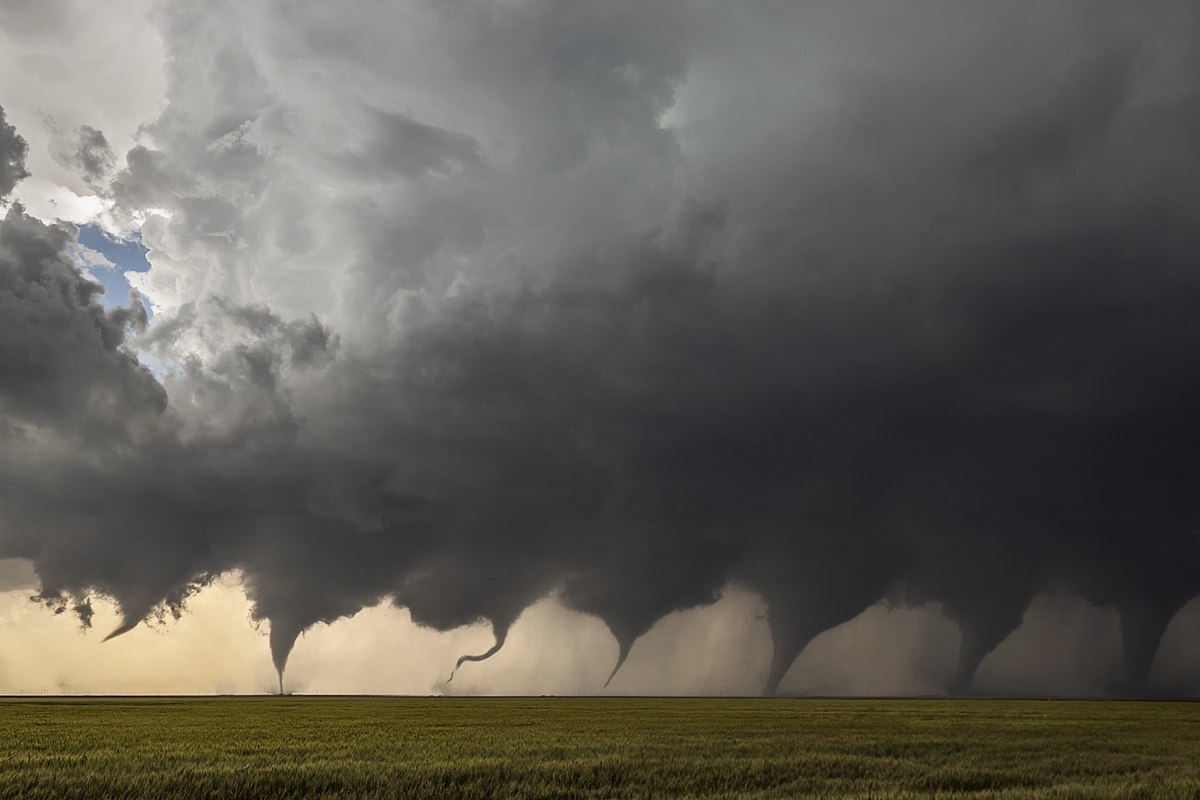
The report argues that climate change is making such overlapping disasters increasingly possible, especially in countries with fragile economies and heavy dependence on natural resources.
A Dangerous Dependence on Coal
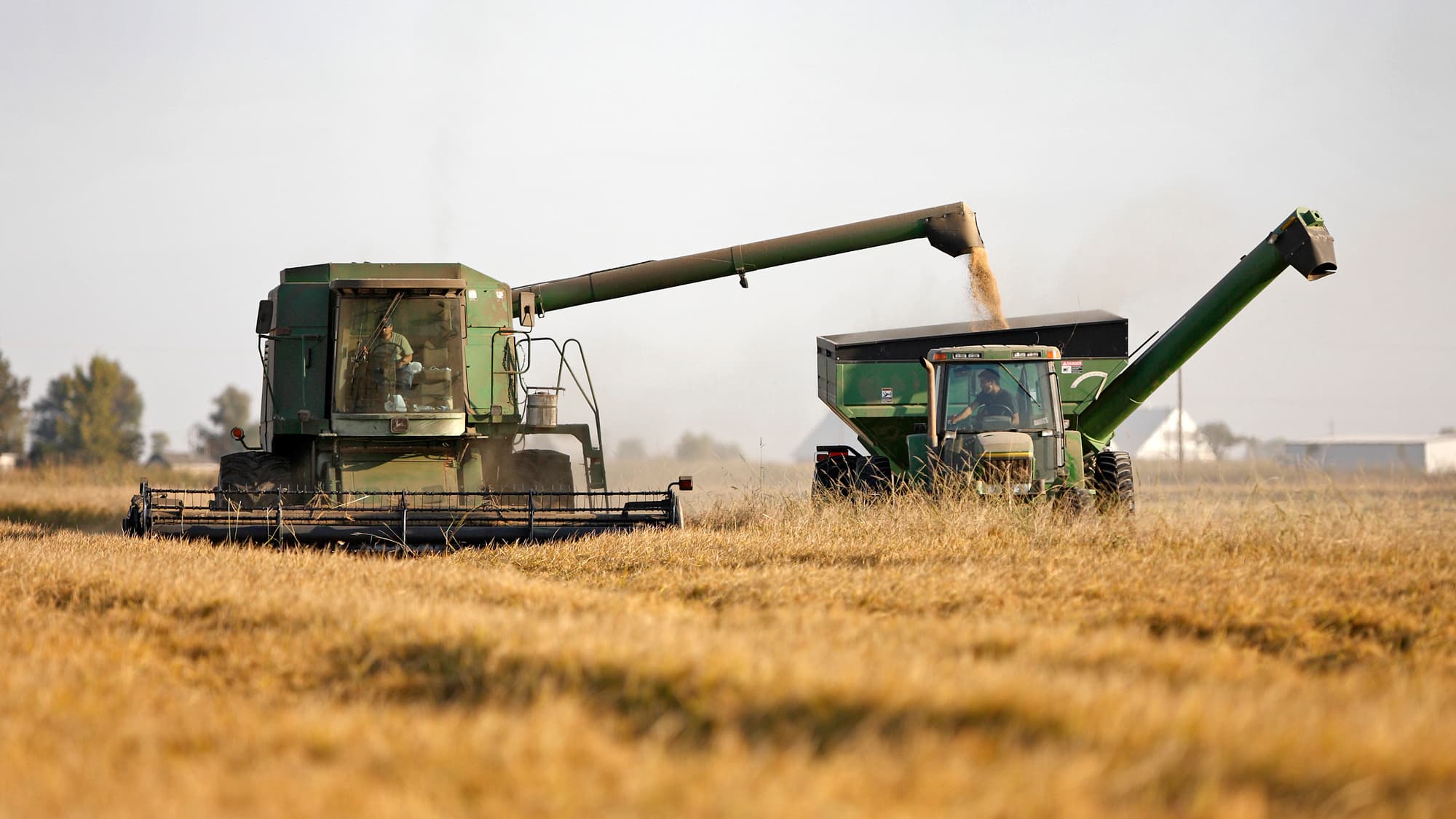
Mongolia's economy has become heavily dependent on mining, especially coal exports to China. Mining now contributes a major share of the country's GDP, export revenues, and government income. More than 90 percent of Mongolia's coal exports are sold to China, leaving the country highly vulnerable to changes in Chinese demand.
The study warns that China's transition toward cleaner energy and carbon neutrality could sharply reduce future coal consumption. Even a slowdown in Chinese construction or industrial activity could seriously hurt Mongolia's economy.
Researchers say the country's mining boom has created growth, but it has also increased economic risks. Mongolia has struggled to diversify its economy, making it highly exposed to external shocks and fluctuations in commodity prices. If coal exports suddenly fall, the effects would spread beyond mining into transport, finance, trade, and public finances.
Dzuds Threaten Rural Livelihoods
The report highlights another growing danger: dzuds, Mongolia's severe winter disasters that kill livestock on a massive scale. Dzuds combine freezing temperatures, heavy snow, drought, and ice that prevent animals from grazing.
Livestock herding remains central to Mongolia's rural economy, and previous dzuds have caused enormous damage. The disasters of 2000–2001 and 2009–2010 killed millions of animals, destroyed livelihoods, and pushed many families into poverty.
According to the study, climate change is making dzuds more frequent and more intense. By mid-century, severe dzuds could occur every three years. Since nearly one-third of Mongolia's workforce depends on herding, the consequences could be severe for food production, exports, employment, and rural incomes.
The loss of livestock also drives migration to cities, increasing pressure on urban infrastructure that is already struggling to cope with rapid population growth.
Flood Risks Rising in Ulaanbaatar
Although Mongolia is known for its harsh winters and dry landscapes, flooding has become a serious threat in Ulaanbaatar. Rapid urban growth, weak drainage systems, and more intense rainfall events have increased the city's vulnerability.
The study recalls the catastrophic flood of 1966, when nearly half of the city's annual rainfall fell within a single day, causing widespread destruction. Today, the risks are even greater because Ulaanbaatar's population has expanded dramatically, with many low-income residents living in flood-prone ger districts lacking proper infrastructure.
Researchers warn that climate change is increasing the intensity of rainfall events, making sudden urban floods more likely. Since Ulaanbaatar generates most of Mongolia's economic output, a major flood could paralyse businesses, damage infrastructure, and create nationwide economic losses.
Preparing for a More Uncertain Future
Using a macroeconomic model, the researchers simulated what would happen if all three crises occurred together. In their scenario, coal exports collapse over three years while consecutive dzuds destroy livestock herds, followed by a catastrophic flood in Ulaanbaatar.
The results show severe economic disruption, rising unemployment, deepening poverty, and growing financial instability. Government revenues would shrink while emergency spending needs rise sharply, putting pressure on public finances and the national currency.
Despite the grim outlook, the report says Mongolia still has time to reduce these risks. Researchers recommend diversifying the economy beyond coal, investing in minerals needed for the global green transition, improving education and technical skills, and strengthening disaster preparedness.
The study also calls for better livestock insurance systems, stronger veterinary services, improved flood management, and smarter urban planning.
Ultimately, the report delivers a broader global message: climate change is no longer just about isolated disasters. The greatest danger comes when economic weakness, environmental shocks, and social vulnerability collide at the same time.
Source - https://www.devdiscourse.com