Sugarcane growers in the North Queensland town of Ingham are facing major crop losses due to the biggest native rat plague the town has seen in decades.
Numbers of the native canefield rat, Rattus sordidus, have exploded due to a “perfect storm” of weather conditions, a scenario that experts say will become more common as the climate crisis worsens.
Lawrence Di Bella is the manager of Herbert Cane Productivity Services, an agricultural not-for-profit company funded by sugarcane growers in the Herbert River region, which is centred around Ingham.’
For a breeding pair in 12 months, we’ll have 450 young
“I’ve been in the industry for over 30 years and this is probably the worst I’ve ever seen it,” Di Bella toldGuardian Australia.
“Probably the best we can hope for now is if we can actually get some rain and wash the little buggers out of their burrows in the ground.”
Di Bella said the region had had several mild wet seasons that failed to wash the rats out, which combined with a large crop last year created ideal conditions for a population explosion.
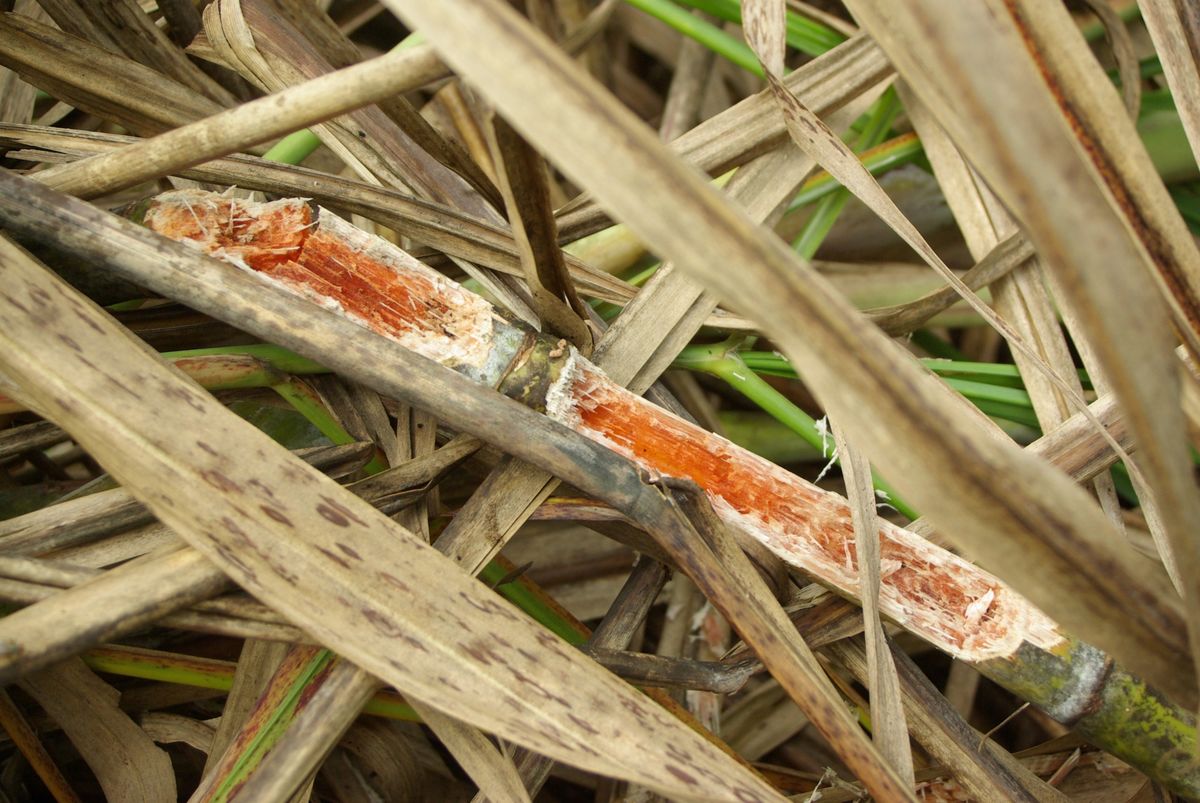
“We’ve really had the perfect storm last season,” he said. “We had a large crop that lodged – meaning the crop fell towards the ground, which actually allows the rats to climb on to the end storks and chew away at the stalks, and also allows sunlight into the ground canopy stimulating weed growth.”
“It’s the weed seed that is the protein source that allows them to actually reproduce, they actually only eat the cane for fibre.”
With that kind of food source, the rats can breed rapidly.
“For a breeding pair in 12 months, we’ll have 450 young,” Di Bella said.
Local farmers are now using night vision cameras to observe the rats in an attempt to gauge the scale of the problem. They have also been granted permission to lay baits in an attempt to control the numbers, a process that is more complicated than ordinary pest control measures because the rats are a native species.
“We’re actually having to bait them now, but that’s our last resort,” Di Bella said. “We have a management strategy where we’re trying to keep the crops free of weeds. So trying to manage their adjacent habitat areas and the weed pressure within the crop.”
The very wet weather in northern Queensland since Christmas has made it nearly impossible to clear the weeds, Di Bella said, but farmers were hopeful that by both using rat baits and controlling the weeds they could get the numbers down before the next harvest, which begins in June.
“We’re trying to get our numbers down,” he said. “But they are never going to disappear.”
Dr Wendy Ruscoe, a senior research scientist at CSIRO, studied the rat and mice populations in north Queensland for her PhD. She said rat plagues were a common occurrence in the region but it was unusual for them to occur this early in the year.
“What has obviously happened is the weeds have perhaps started to grow earlier, because … maybe it was wetter and warmer earlier in the spring,” she said. “Which has given that the rats a couple of extra months of breeding early in the season.”
Ruscoe said the population increase was part of the species’ natural “boom and bust” cycle. The best thing farmers could do, she added, was ensure they were properly maintaining their properties and mitigating weed growth.
It is not just crop damage that farmers have to look out for – people who come into contact with rat urine may be at risk of a Leptospirosis infection, which can lead to kidney or liver failure. The disease, often referred to as cane cutters disease, was a common occurrence in the days of manual cane harvesting and was one of the reasons that crops were often burnt before harvest.
“We have to remember that it’s a native species that has invaded the crops and it’s been doing it for as long as they’ve been growing cane up there,” she said. “As the climate gets more volatile, we will see more periods of very low numbers but then perhaps also more frequent and extreme outbursts.”
Source - https://www.theguardian.com