In the heart of Australia's sprawling landscapes, where agriculture forms the backbone of the rural economy, a team of scientists at CSIRO, the country's preeminent national science agency, has unveiled a groundbreaking rapid gene-screening platform. This innovative approach, poised to revolutionize the agricultural sector, significantly accelerates the breeding of disease-resistant crops, addressing a critical challenge in global food security exacerbated by climate change and persistent pathogen threats.
Shifting the Paradigm in Crop Breeding
The crux of this scientific leap lies in the ability to identify new avirulence (Avr) effector genes within plant pathogens, a cornerstone in the development of crops that can staunchly resist diseases. Historically, the identification and integration of these genes into crop breeding programs have been a laborious process, often spanning years or even decades. However, the CSIRO's novel platform enables high-throughput screening of genetic libraries directly within a plant's cellular environment, dramatically reducing this timeframe to mere months. The approach leverages the latest in synthetic biology, genetics, and molecular plant pathology, marking a significant departure from traditional methods.
At its core, the technology focuses on pathogens like rust, notorious for causing devastating losses in crops worldwide. The economic implications are staggering, with rust pathogens alone accounting for approximately US$1 billion in annual crop losses. This new screening method not only promises to bolster the resilience of crops against such pathogens but also enhances pathogen surveillance efforts, an increasingly important aspect as climate change escalates the risk of disease outbreaks.
From Wheat Rust to World Hunger: A Global Solution
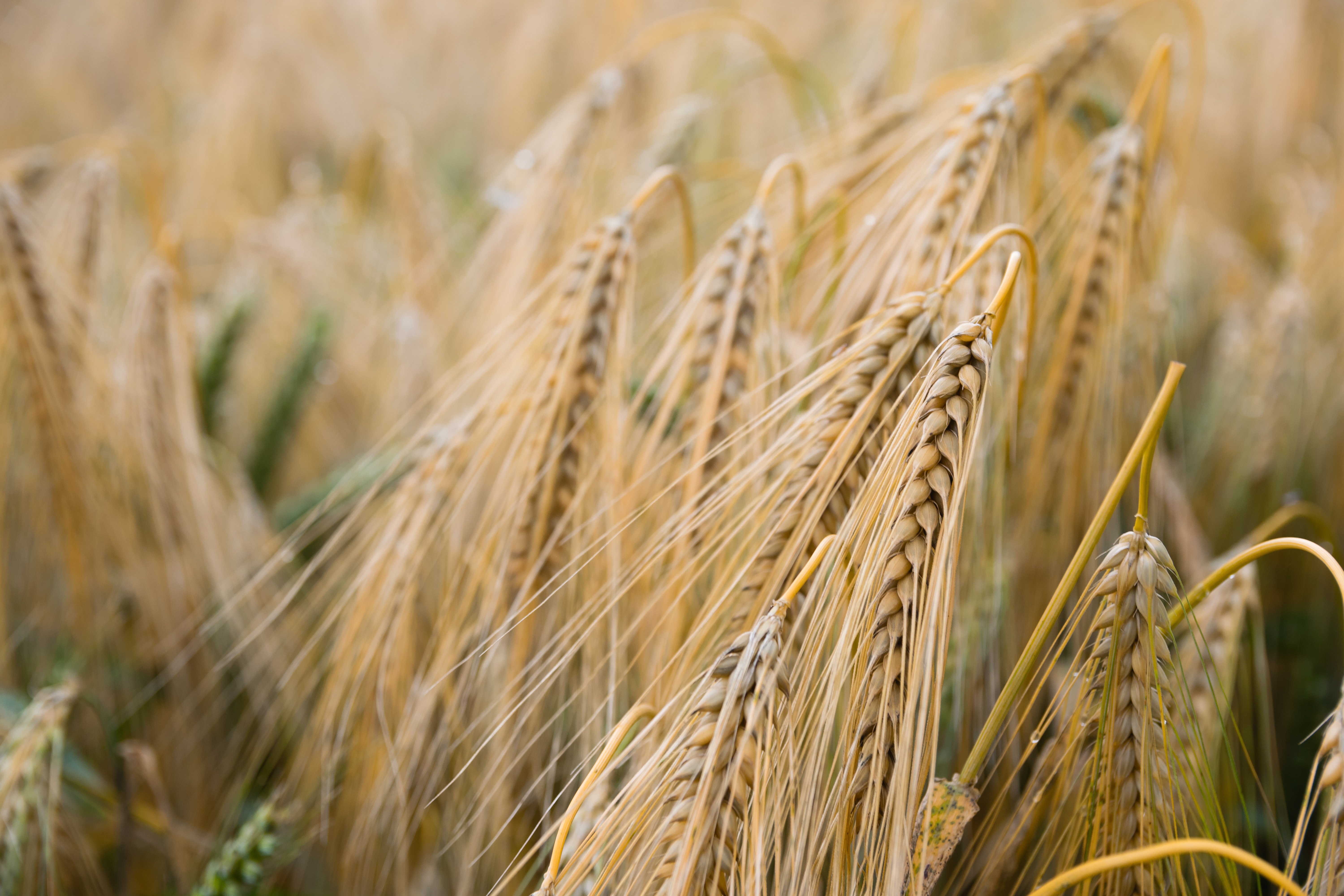
The initial application of this technology targeted a rust fungus affecting wheat, a staple food source for billions around the globe. The success here is not just a win for wheat; it sets a precedent for applying this technology across a variety of crops and pathogens. The implications are far-reaching, with the potential to significantly impact future crop development and disease management strategies on a global scale.
Identifying several new fungal Avr effector genes in the wheat stem rust pathogen underscores the efficiency and effectiveness of the platform. By expediting these discoveries, the CSIRO's approach empowers farmers and breeders with the tools needed to stay one step ahead of evolving pathogens, ensuring the longevity and health of crops critical to feeding the world's burgeoning population.
Challenges and Opportunities Ahead
Despite the promising advancements, the path forward is not without its challenges. The rapid pace of climate change, coupled with the constant evolution of plant pathogens, presents a moving target that requires continuous innovation and adaptation. Moreover, the integration of this technology into existing agricultural systems and practices necessitates a collaborative effort among scientists, farmers, breeders, and policymakers.
However, the opportunities outweigh these challenges. The potential for this technology to contribute to sustainable agriculture and global food security is immense. By enhancing the ability to breed disease-resistant crops quickly and efficiently, we can reduce dependency on chemical pesticides, lower production costs, and ultimately, contribute to a more resilient and sustainable food system.
In a world where the stakes for food security have never been higher, the breakthrough by CSIRO's scientists offers a beacon of hope. It exemplifies the power of science and innovation to tackle some of the most pressing challenges of our time, promising a future where hunger and crop diseases are no longer insurmountable foes.
Source - https://bnnbreaking.com