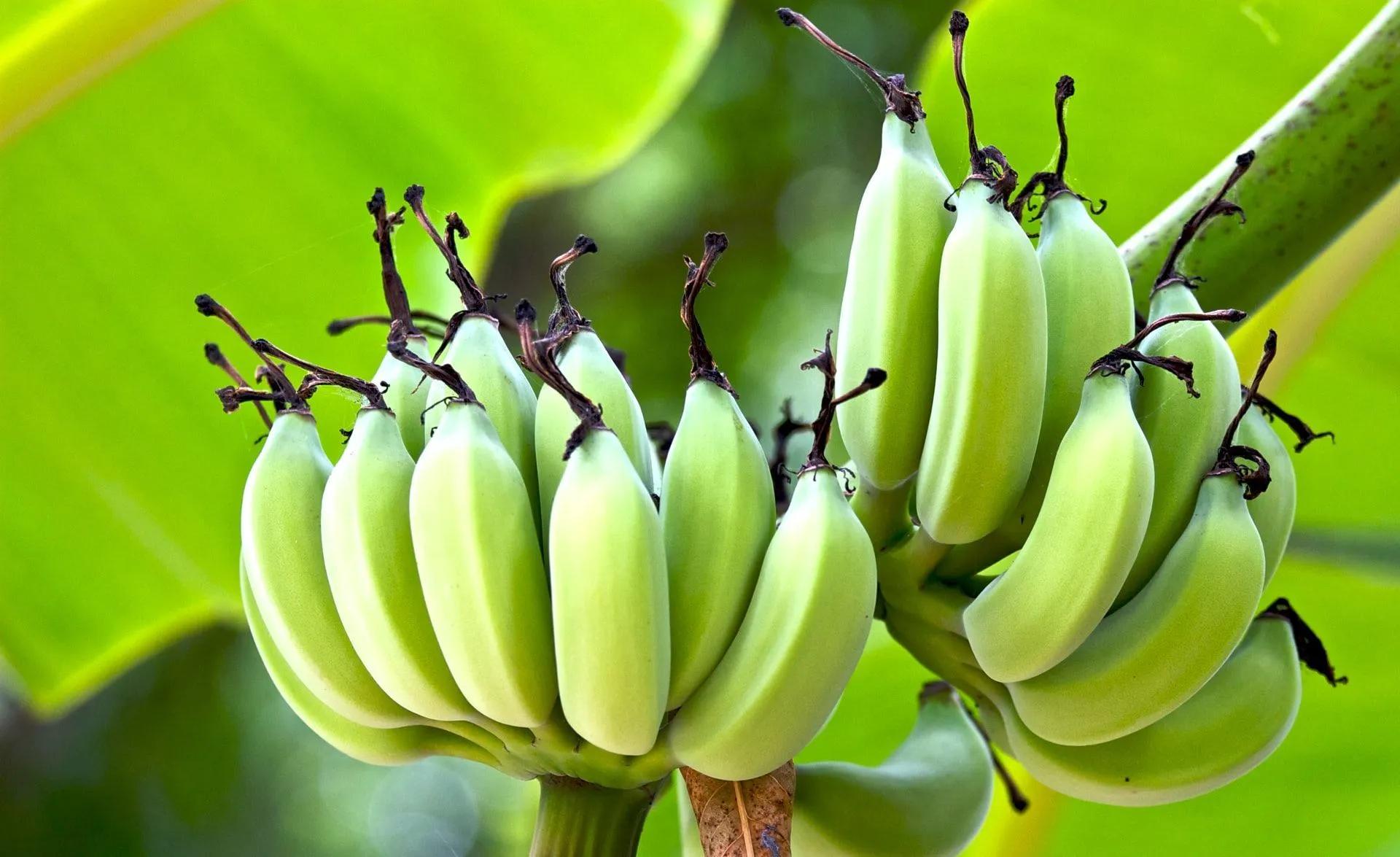
The Taiwan Banana Research Institute has developed a new banana cultivar, Tai-Chiao No. 9 (TC9), with resistance to Panama disease. The variety is intended for future deployment beyond Taiwan, pending completion of plant breeders' rights in overseas markets.
Bananas are an economically important fruit crop worldwide. According to researchers involved in the project, disease-resistant banana varieties developed in Taiwan are regarded as a genetic safeguard against Panama disease. The work behind TC9 combines long-term field screening with genomic research.
A research team led by Chen Ho-ming of Academia Sinica, working with the Taiwan Banana Research Institute and researchers from National Taiwan University, found that deletions of specific chromosomal segments in Taiwanese banana lines increased resistance to Panama disease. These findings were subsequently applied by the institute in breeding TC9 for commercial use.
The Taiwan Banana Research Institute, established by the Ministry of Agriculture, has a long history of banana breeding focused on resistance to tropical race 4 (TR4), a strain of Panama disease that can cause plantations to collapse and remain active in soil for decades. The institute previously developed resistant varieties, including Tai-Chiao No. 4, Tai-Chiao No. 5, and Tai-Chiao No. 7.
Institute director Chiu Chu-ying said research into the link between TR4 and Panama disease dates back to 1967, when NTU researchers began mapping disease behaviour using tissue culture and seedling propagation. Since then, screening methods combining virus exposure and propagation have been used to identify resistant plant material.
Chen said his collaboration with the institute over the past decade focused on comparing banana varieties with and without resistance using genome, transcriptome, and gene function analysis. Most resistant Taiwanese varieties were found to share large chromosomal deletions, which he said increased resistance to Panama disease. Research findings have been published in the Proceedings of the National Academy of Sciences of the United States of America.
TC9 was developed from the Williams cultivar, which dominates global commercial banana production in regions such as the Philippines and Latin America but has limited resistance to Panama disease. According to Chiu, TC9 shows at least 70 percent resistance to the disease.
While plant breeders' rights for TC9 have been secured in Taiwan, overseas protection must still be obtained before exports of planting material can proceed. Chen said molecular marker analysis of TC9 is ongoing, but further details have not yet been disclosed due to commercial considerations. Chiu noted that because bananas are propagated asexually, controlling the movement of planting material remains a challenge once international distribution begins.
Source - https://www.freshplaza.com