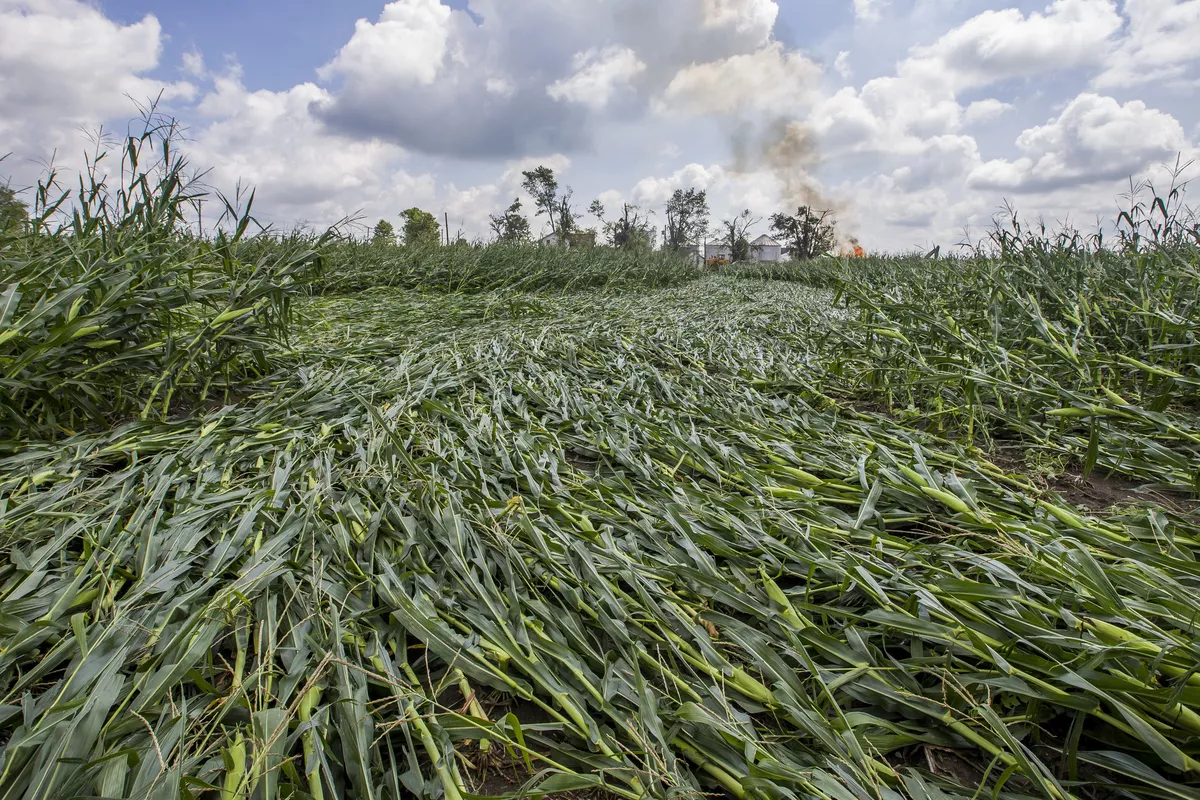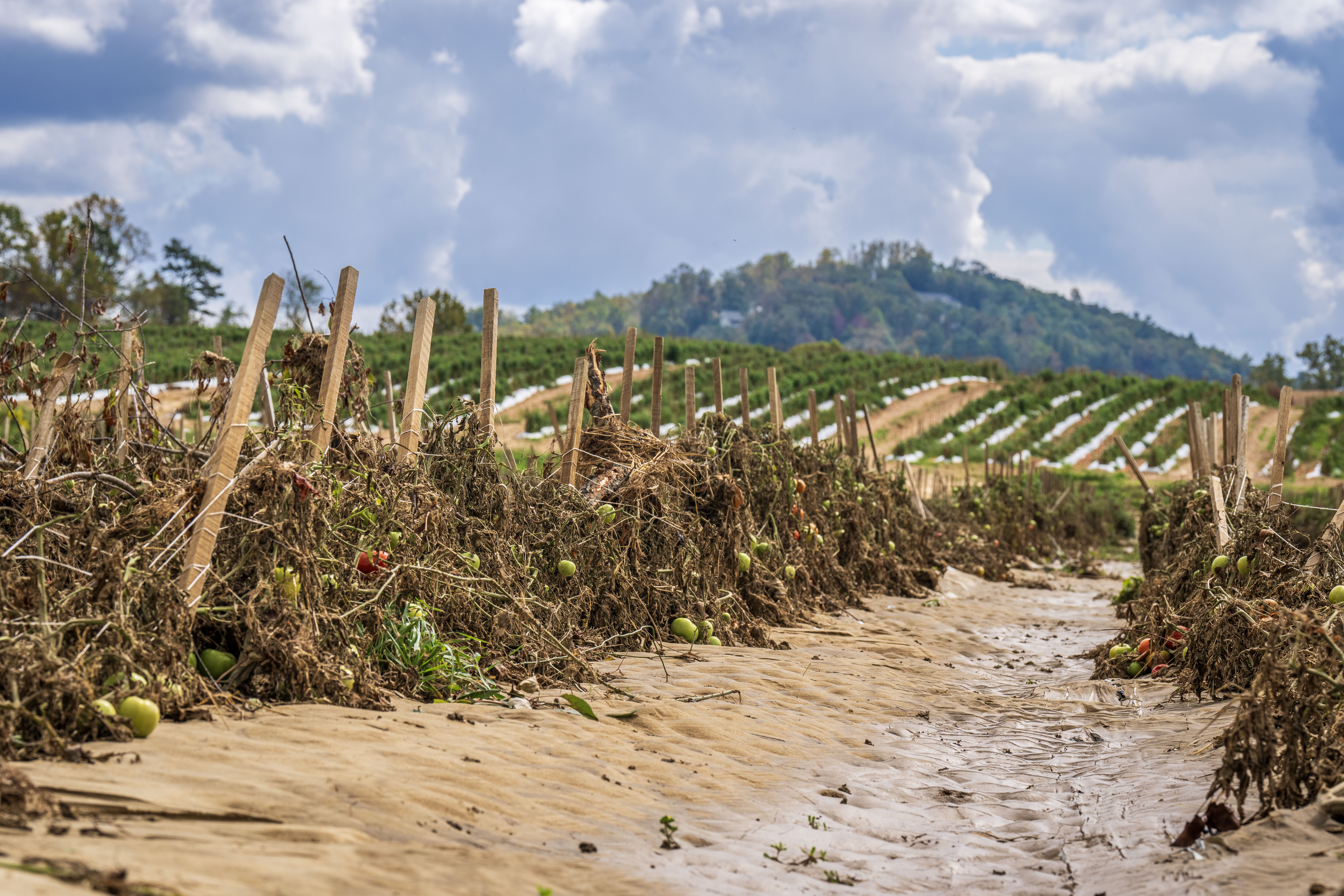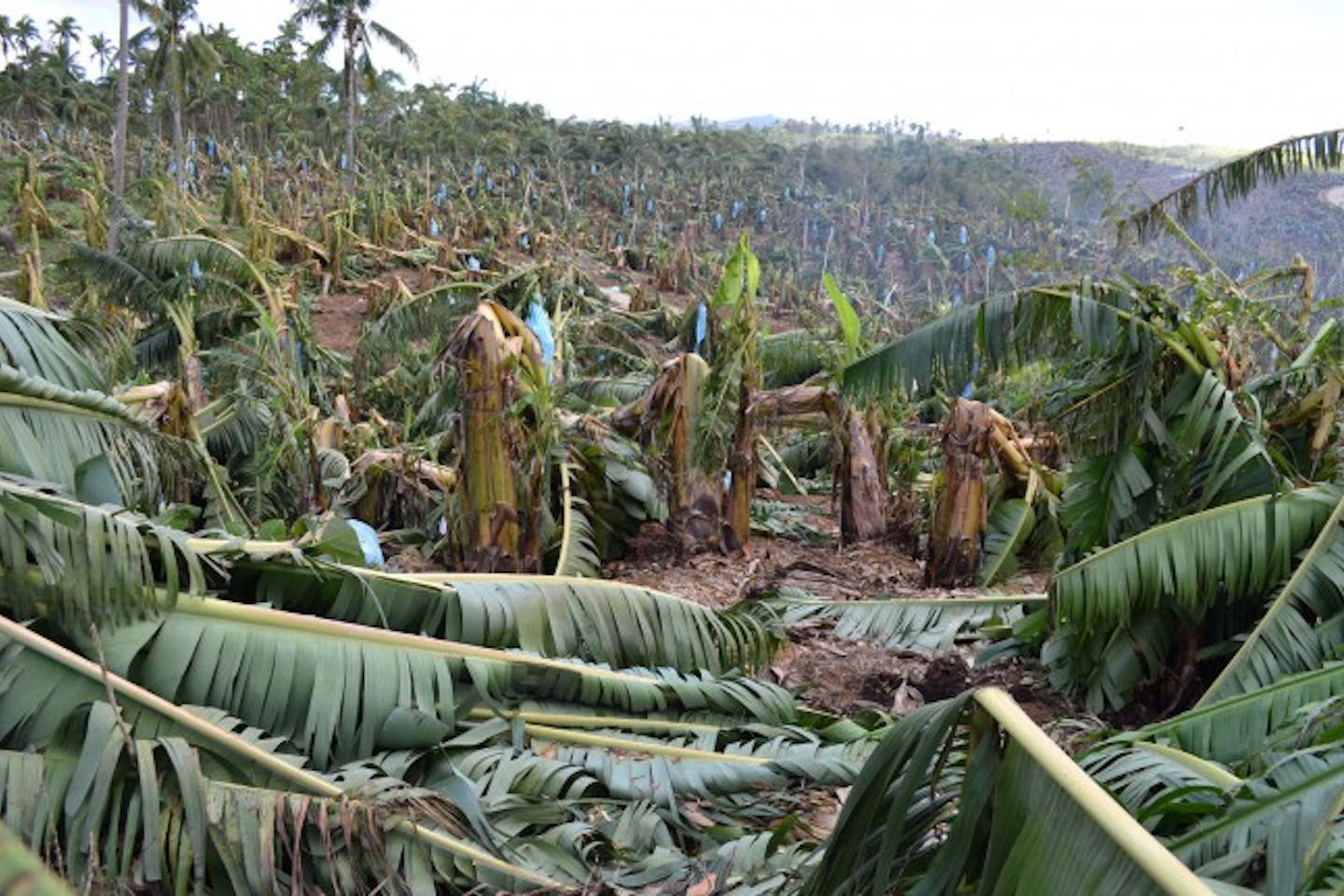
The relentless torrents lashing far north Queensland have left no stone unturned, wreaking havoc on local agriculture and causing significant crop losses. An array of fruits, including mangoes, bananas, avocados, and barramundi, have borne the brunt of the severe weather conditions, right on the cusp of the peak Christmas period—a time when farmers typically rely on increased sales and revenue.
The Economic Repercussions of the Catastrophe
This untimely devastation is expected to have substantial economic implications for local farmers. With their primary source of income severely compromised, the livelihoods of these farming communities hang in the balance. Concurrently, this loss threatens to lead to shortages of these products in the market during a time of heightened consumer demand.
Climate Change and Agriculture: An Inescapable Nexus
The destruction of these crops underscores a broader concern: the impact of extreme weather events on agriculture and food security. It serves as a stark reminder of the vulnerability of farming communities to changing climate conditions. As the frequency and severity of such weather events rise, the agricultural sector finds itself on the frontline of the climate crisis.
Path Forward: Support and Sustainable Practices
Given the gravity of the situation, it becomes imperative to direct efforts towards providing support for the affected farmers. Simultaneously, there is a pressing need to explore and implement sustainable agricultural practices resilient to such weather challenges. Climate-adaptive farming methods may offer a lifeline to these communities, enabling them to navigate the tempestuous waters of a changing climate.
Source - https://bnnbreaking.com