Australia - Storms hit wheat harvest

01.12.2023 655 views

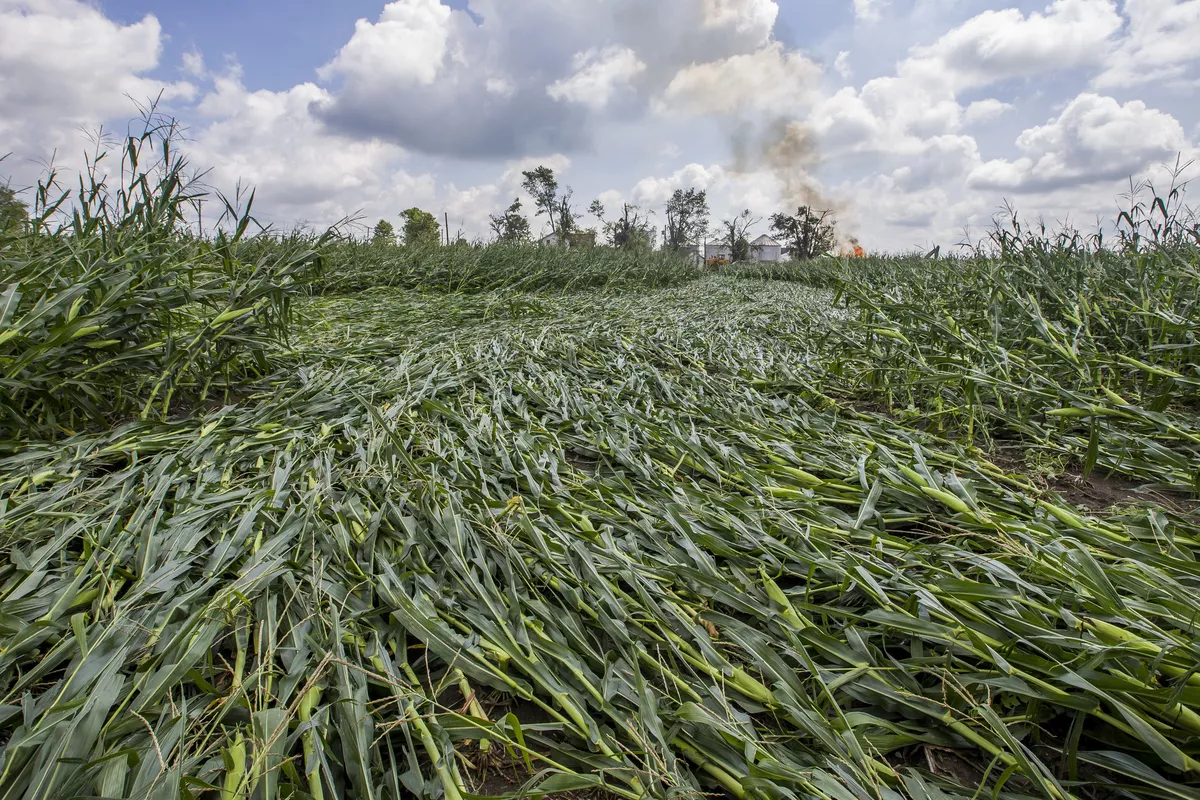
Heavy rain sweeping through southeastern Australia has damaged wheat crops, potentially shrinking production by more than 100,000 tons and turning up to 1 million tons of milling wheat into lower-quality feed grain, analysts said.

Australia is one of the world’s largest wheat exporters and is more than halfway through this year’s harvest.

Baking heat and low rainfall earlier in the year cut forecast production to 25-28 million metric tons from about 40 million tons last year, but high quality was expected.

November has turned wetter, and in 24 hours between Tuesday and Wednesday more than 200 millimetres (7.9 inches) of rain fell in parts of New South Wales, and more than 80 millimetres in parts of Victoria, Australia’s weather bureau said.

The bureau said a severe weather warning remained in place for rain and damaging winds in parts of the southeast, where the harvest is in full swing.

Heavy rain stops large machinery from operating and crops left in fields can grow fungus or sprout.

“Farmers are parked up. You can’t harvest a paddock with sodden ground,” said Andrew Whitelaw at consultants Episode 3, adding that 50,000 to 130,000 tons of wheat could be lost and half a million tons downgraded to lower quality.

Ole Houe at IKON Commodities said as much as 100,000 tons could disappear and 1 million tons may be degraded from milling to feed wheat.

Rod Baker at Australian Crop Forecasters said that he was more optimistic, but that up to 50,000 tons could be lost and 500,000 tons shunted to feed quality.

All the analysts cautioned that estimates could change and depended on weather in the coming days.

“It’s really hard to quantify until we start getting harvest results in,” Baker said.

Although it hurts wheat, rain should boost Australian summer crops such as cotton and sorghum, analysts said.

“Before this rainfall, farmers in northern New South Wales and Queensland were really scratching their heads about whether to put in sorghum,” said Vitor Pistoia at Rabobank. “Now they have more confidence.”

Source - https://www.hellenicshippingnews.com

02.09.2026

Philippines - Bayambang declares state of calamity over P31-M agricultural losses

The municipal council of Bayambang has placed the town under a state of calamity after Tropical Storms “Luis” and “Maymay” and the enhanced southwest monsoon, or habagat, caused more than P31 million in agricultural losses.

02.09.2026

USA - Lynndyl farmers assess crop losses after 100 mph winds and hail

Farmers in and around Lynndyl are beginning to assess severe losses after a powerful weekend storm ripped through fields with destructive winds and hail just as some crops were nearing harvest.

02.09.2026

USA - New Insurance for Breeding Heifers

New LRP Coverage Aims to Reduce the Risk of Retaining Heifers for Breeding.

02.09.2026

Corn's $6 Surprise Could Change the Profit Math for U.S. Farmers

Corn may already be worth more than the board suggests as farm payments and incentives add about 52¢ per bushel to producer revenue.

02.09.2026

Philippines - Iloilo turns over P10M for farm, fishery insurance

The Iloilo provincial government has turned over P10 million to the state-owned Philippine Crop Insurance Corp. (PCIC) to expand insurance protection for farmers and fisherfolk vulnerable to losses from El Niño, La Niña, typhoons, pest infestations and other calamities.

02.09.2026

India - AP sees 1,263% rise in non-loanee crop insurance

The State witnessed a remarkable 1,263% jump in non-loanee farmer registrations, with their participation rising from 2 lakh in the previous Kharif season to 25.26 lakh farmers this year.

01.09.2026

South Africa - Grain SA calls for affordable crop insurance as dry weather threatens Swartland wheat

Severe rainfall shortages threatening the Swartland wheat crop have highlighted the need for government support to make crop insurance affordable for dryland producers.

01.09.2026

USA - Florida farms face nation’s highest disaster loss rate

Natural disasters destroy billions of dollars in U.S. agricultural production each year. From drought and wildfires in the West to hail in the Midwest and hurricanes in the Southeast, farms lose an average of $5.1 billion in crops and livestock annually, according to the Federal Emergency Management Agency.