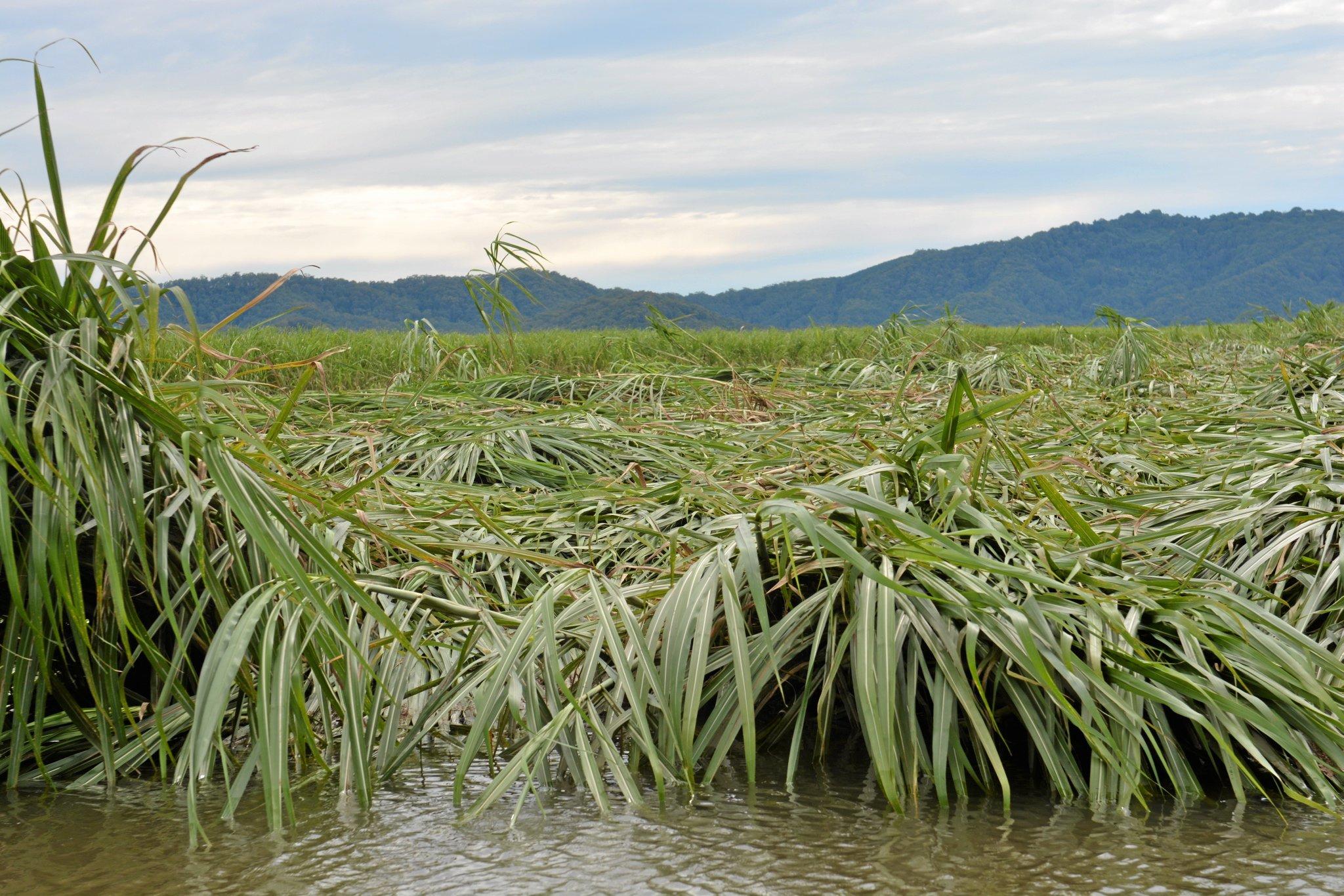
Severe flooding across Australia’s far northeast last month has washed away sugar crops and damaged key rail infrastructure, with the industry expected to see production losses when the harvest begins later this year.
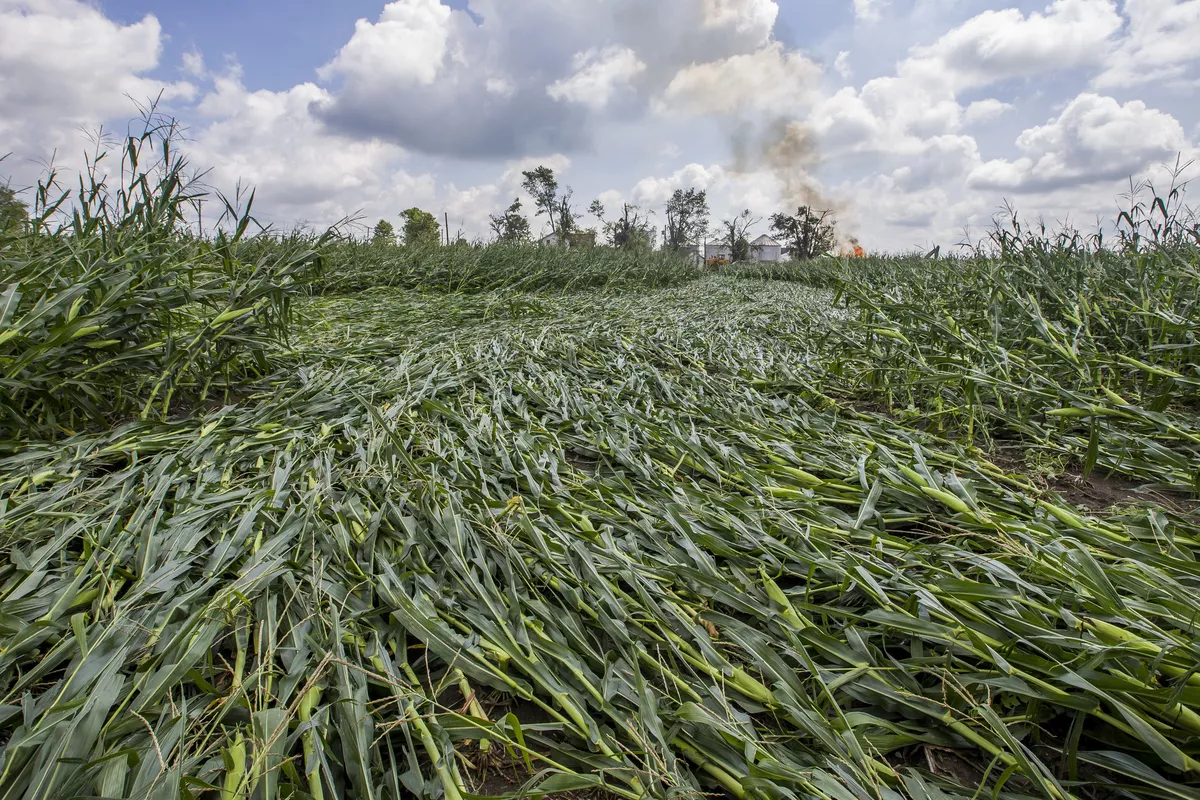
Some farms have lost as much as 60% of their sugar crop after Tropical Cyclone Jasper unleashed heavy rain and floods in Queensland state, said Dan Galligan, chief executive officer of industry group Canegrowers. Assessments are still ongoing to determine the full extent of the damage, he added.
Jasper was the first cyclone to hit Australia this season, and brought persistent rainfall as it moved slowly inland over several days. The flooding knocked out power for some residents in Queensland’s north, trapped people on the rooves of their homes and inundated other crops such as bananas.
Queensland accounts for about 95% of Australia’s sugar output, and Galligan said the region that was swamped by flooding is responsible for around a fifth of the national crop. Most of the overall cane had been harvested prior to the cyclone crossing the coast, with the fallout to affect the 2024 crop.
“There will be production losses,” Galligan said. “We’re not really into the peak of the wet season yet, so as we move through January and February, there’s a bit of concern should we get more rain or another cyclone.”
Heavy rain swelled the Barron River and led to the waterway exceeding a flood level set in 1977, according to the Bureau of Meteorology. Floodwaters from the river swamped the airport at Cairns, a popular tourist destination for holidaymakers seeking to visit the Great Barrier Reef.
A rail bridge over the Barron River that carries cane to be crushed at a sugar mill has been lost, while rail lines have been damaged, said Galligan. There are options to transport cane via road to the plant, but that’s likely to take longer and be significantly more expensive, he said.
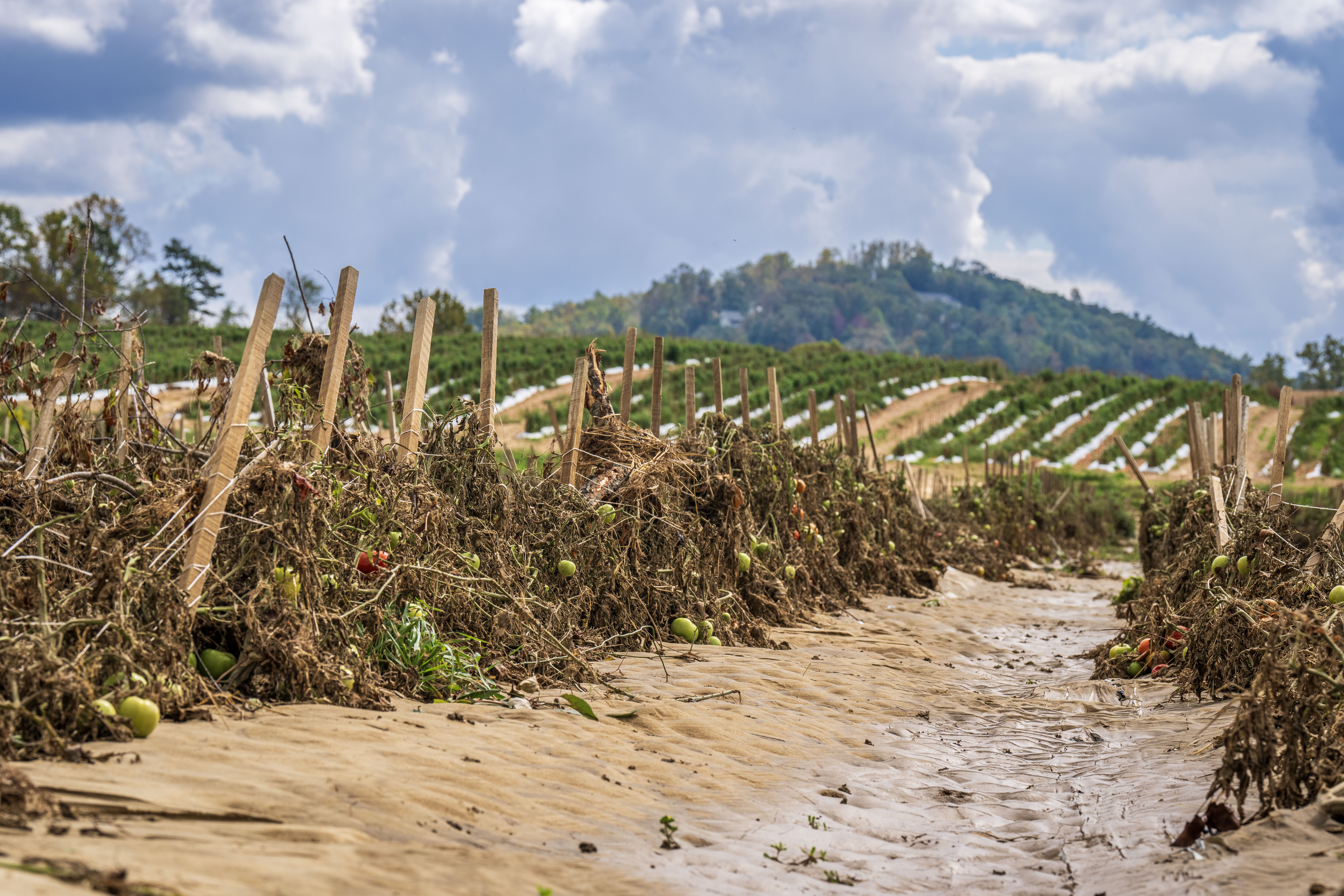
Floods also hit other crops such as mangoes, bananas and papayas, according to Jo Sheppard, the chief executive officer of the Queensland Farmers’ Federation. The state is Australia’s biggest producer of bananas.
“Some lychee and citrus orchards were fully flooded, and adult trees were uprooted,” said Sheppard. Many growers had to shoulder additional costs from running diesel generators due to ongoing power outages, and have suffered from labor and transport disruptions, she added.
Source - https://www.bnnbloomberg.ca