It’s invisible, and you can’t see it until it’s too late; internal fruit rot is a significant problem for field-grown capsicum growers, as it remains unseen until the consumer cuts into the vegetable, leading to rejections by retailers and a loss of consumer confidence.
An Australian levy-funded project, Internal fruit rot of capsicum (VG17012), has been exploring the problem since 2019 and has one season left to run. While the research has shed light on some factors affecting the prevalence of internal fruit rot in capsicums, project lead Dr Jenny Ekman of Applied Horticultural Research (AHR) says the problem has been frustratingly resistant to treatment.
The scope of the problem
Internal fruit rot primarily affects field-grown capsicum, with protected cropping escaping its clutches. The issue is far from insignificant for field growers, however. Internal fruit rot, or internal mold, remains concealed within the seed cavity, rendering it invisible from the outside. This hidden menace prompts consumer complaints and retailer rejections.
Dr Jenny Ekman, AHR, discusses the research underway for internal fruit rot of capsicums. “It’s a really big problem,” says Dr Ekman. “It only affects the seed cavity that you throw away and not the flesh at all, but the problem is that when the consumer cuts open the capsicum and finds fluffy stuff in the middle, they immediately complain to the retailer they purchased it from.”
Internal mold infections can affect up to 25% of a field-grown capsicum crop, resulting in significant economic losses.
The winds of change
The first goal of the research project has been to unravel the causes of internal mold. Researchers have identified at least three fungal pathogens, including Alternaria and Fusarium species, that contribute to the problem.
“We believe that the infection occurs during flowering, so preventing it in something like capsicums where the flowering period is really long is an issue,” explains Dr Ekman.
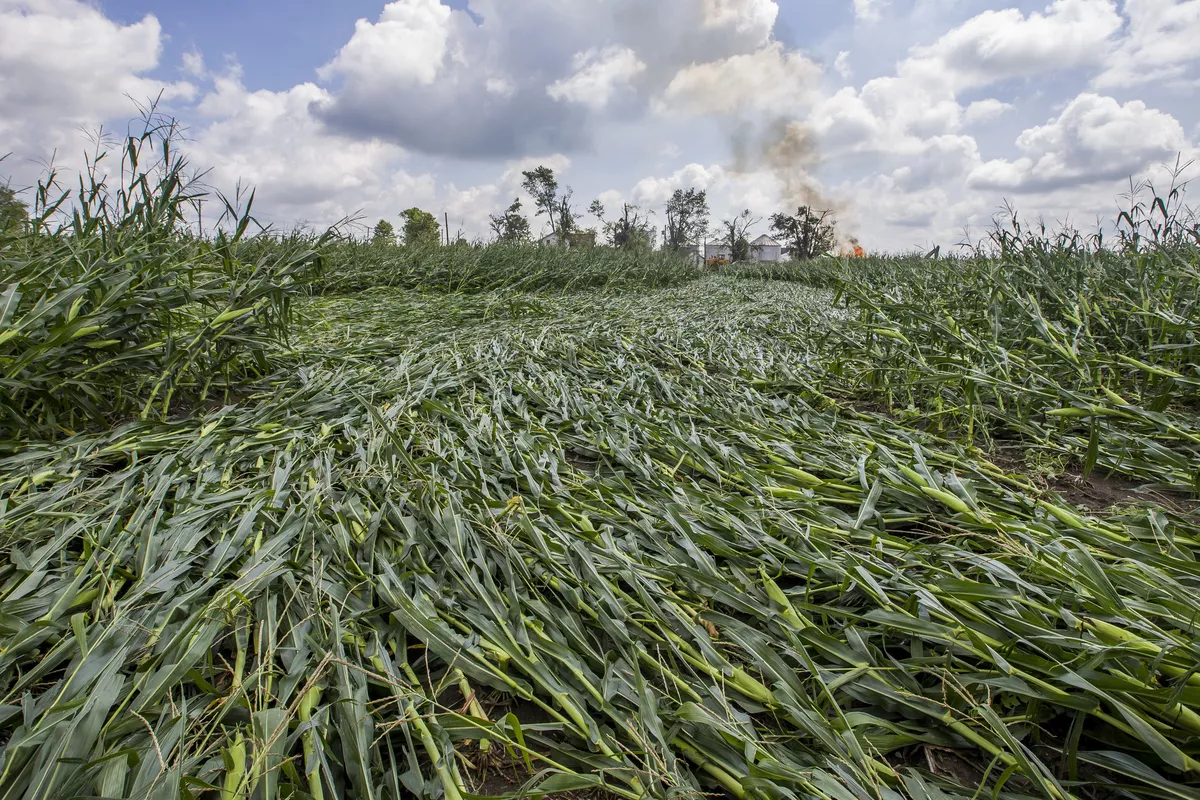
Investigations into infection mechanisms turned out to be one of the project’s key findings. Unexpectedly, wind conditions were still found to correlate with a higher prevalence of internal mold. Contrary to initial assumptions, high wind resulted in fewer infections, and wind has proven to be the only environmental factor to have a consistent effect.
“We had a very wet season, and yet there was no internal mold, which is not what we were expecting at all,” said Dr. Ekman. “Then we had a dry season, and we got a lot of mold. So what we found recently is that whether it’s hot, dry, cold, wet, that doesn’t seem to matter – it’s whether there’s wind that’s the critical factor.”
Further investigation of wind’s role in internal fruit rot is the focus for the final year of the project, and project provider AHR is considering using fans or strategically selecting crop locations to affect wind conditions.
Detection and treatment
Detecting internal mold has proven challenging. Some growers have implemented near-infrared (NIR) scanning units to assess the fruit’s interior, but this method is not fool-proof. NIR technology can often mistake a physiological disorder called brown seed for internal mold.
“You can certainly detect internal mold with a NIR machine, but you’re likely to throw out an awful lot of good fruit because it will also pick up fruit with brown seed,” explains Dr. Ekman.
Prevention is clearly better than cure, but that has proven just as challenging.
The research team has conducted numerous trials, testing various fungicides and plant defense solicitors, such as chitin, salicylic acid, and gibberellic acid. Unfortunately, none of these treatments has exhibited significant benefits in controlling internal mold.
“These products are intended to turn on the plant’s own defenses so it’s more able to resist the pathogen,” Dr. Ekman said. “None of them in our trials have so far shown any significant benefits.”
Applying fungicides to cover the extended flowering period of capsicums is also proving difficult.
Where to next?
The next step for the project involves more field trials, likely in Bundaberg and Bowen, where researchers will focus on measuring wind speeds within the crops and their influence on internal mold rates.
“We’re going to try to do some heat mapping of a crop where we can look at plants in the center of the crop, plants at the outside edges, and then possibly increasing or decreasing the wind around those plants and seeing if that increases internal mold,” says Dr. Ekman.
As the project enters its final season, the team is determined to conclude this research on a high note and find practical solutions that growers can apply to mitigate the impact of internal mold.
Source - https://www.freshplaza.com