A new $4.6 million national research project led by the University of Adelaide in collaboration with the South Australian Research and Development Institute (SARDI), is set to provide Australian grain growers with new tools and management techniques to combat snails, aiming to minimise losses and improve market opportunities for affected crops.
The four-year project has investment from the Grains Research and Development Corporation (GRDC), while University of South Australia, CSIRO, the Western Australian Department of Primary Industries and Regional Development (DPIRD) and other research partners are also involved.
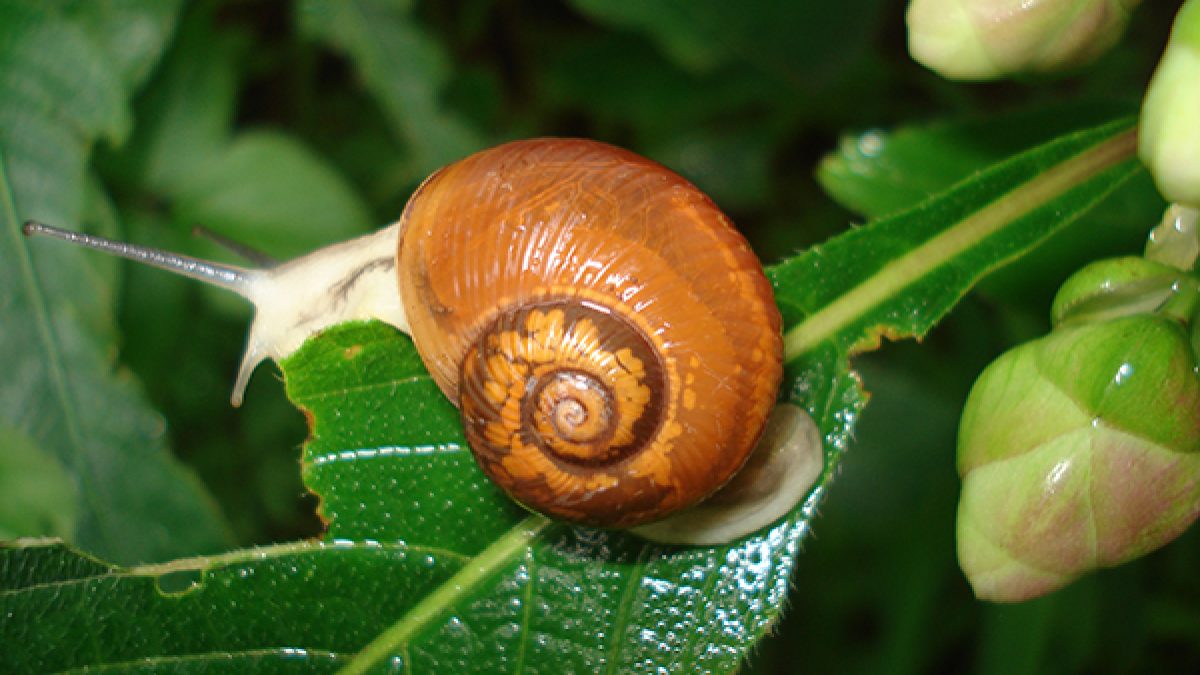
Exotic snail species established in Australia as early as the 1920s have become major pests of grain crops.
In addition to attacking crops, snails climb crop plants in spring and contaminate harvested grain, resulting in substantial management costs, grain yield and value losses, opportunity costs, and market risks.
Lead researcher Dr Kym Perry, an Affiliate Lecturer with the University of Adelaide and a Research Scientist with SARDI, said that snail management has improved over the years through the concerted efforts of growers, researchers, and funding bodies working together, but snails remain a costly and difficult target for management.
Crop damage, harvest delays, and grain value downgrades at delivery, are common occurrences for growers in affected areas.
“Mediterranean snails create substantial pre and post-farm gate costs for affected growers and reputational risks for Australian grain that can affect international trade,” Dr Perry said.
“Snails are particularly abundant in some coastal regions but occur in a wide range of cropping environments where they have spread by hitchhiking on vehicles and fodder.”
The project will target four species of Mediterranean pest snails: the vineyard snail, the white Italian snail, the conical snail, and the small pointed snail. Conical snails are a focus of the project because their habit of sheltering in cryptic places, small size, and large populations, make them particularly difficult for growers to manage using existing control methods.
Dr Perry said the project would examine a range of physical, cultural, chemical, and biological tools and technologies with a view to expanding grain growers’ toolkit to combat these pests.
“This project is tackling the snail problem from multiple angles, combining technology development with biological research to inform control and deliver an integrated package of new outputs,” he said.
“We have assembled an exciting multi-disciplinary research team to deliver the various components.”
Source - https://indiaeducationdiary.in