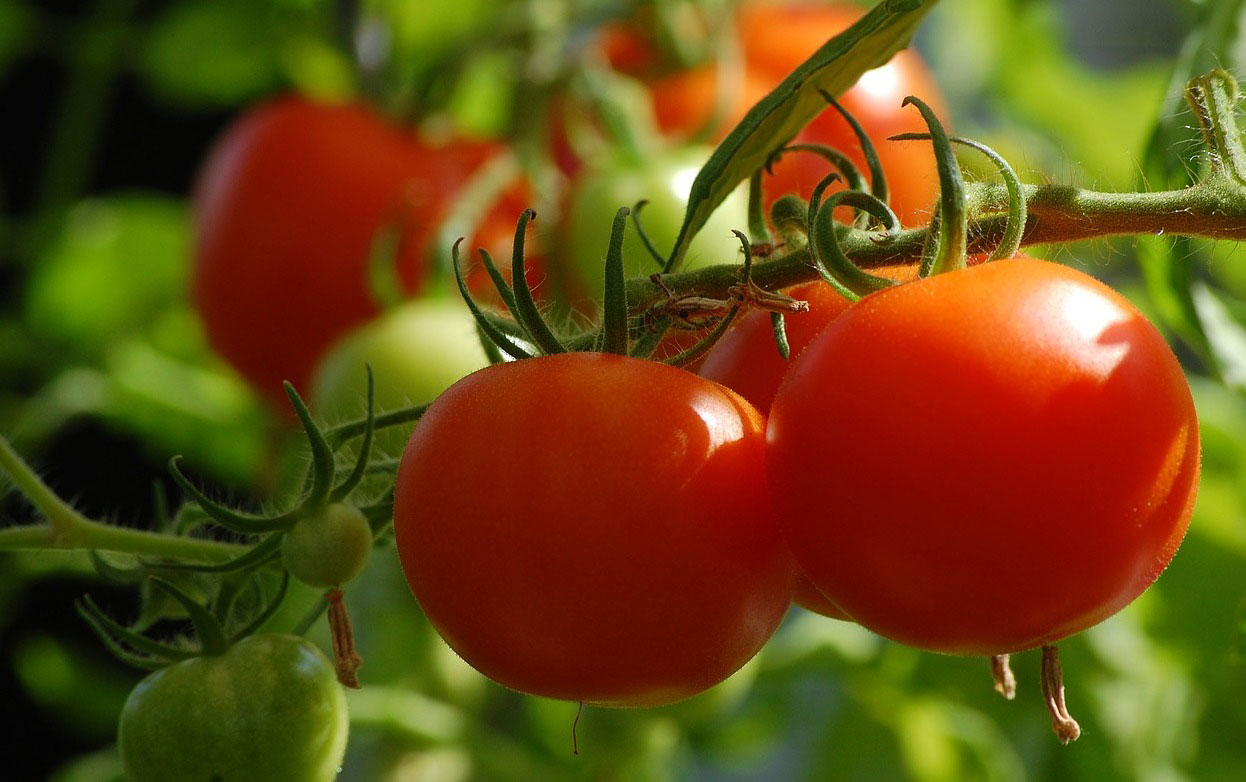
Kapiris Bros' current growing season for gourmet and Roma tomatoes is taking place in Two Wells, South Australia, this typically runs from October right through to May, but they will most likely be harvesting until June this season.
"Recently, in Two Wells, we have been adjusting our growth strategy to manage the challenges that come with decreased sunlight as we edge closer to the winter months," explains Nick Papatheodorou, Marketing Assistant at Kapiris Bros. "What we are currently observing is that the plants are loaded with great quality fruit, but ripening at a much steadier rate."
"Our current growing season for green, yellow, and red capsicums is taking place in Devonport, Tasmania. Our season typically runs from September right through until June. We have been facing considerable challenges here with respect to limited sunlight as well as rainy days. Capsicum quality remains optimal; however, our primary focus currently rests with ensuring that red capsicum harvest volumes are as strong as the volumes that are being harvested for yellow capsicums."
Extreme weather conditions
Nick said that tomato and capsicum seasons have proven to be quite fruitful with respect to harvest volumes and quality. They have had a degree of challenges, however, namely relating to extreme weather on both ends of the spectrum.
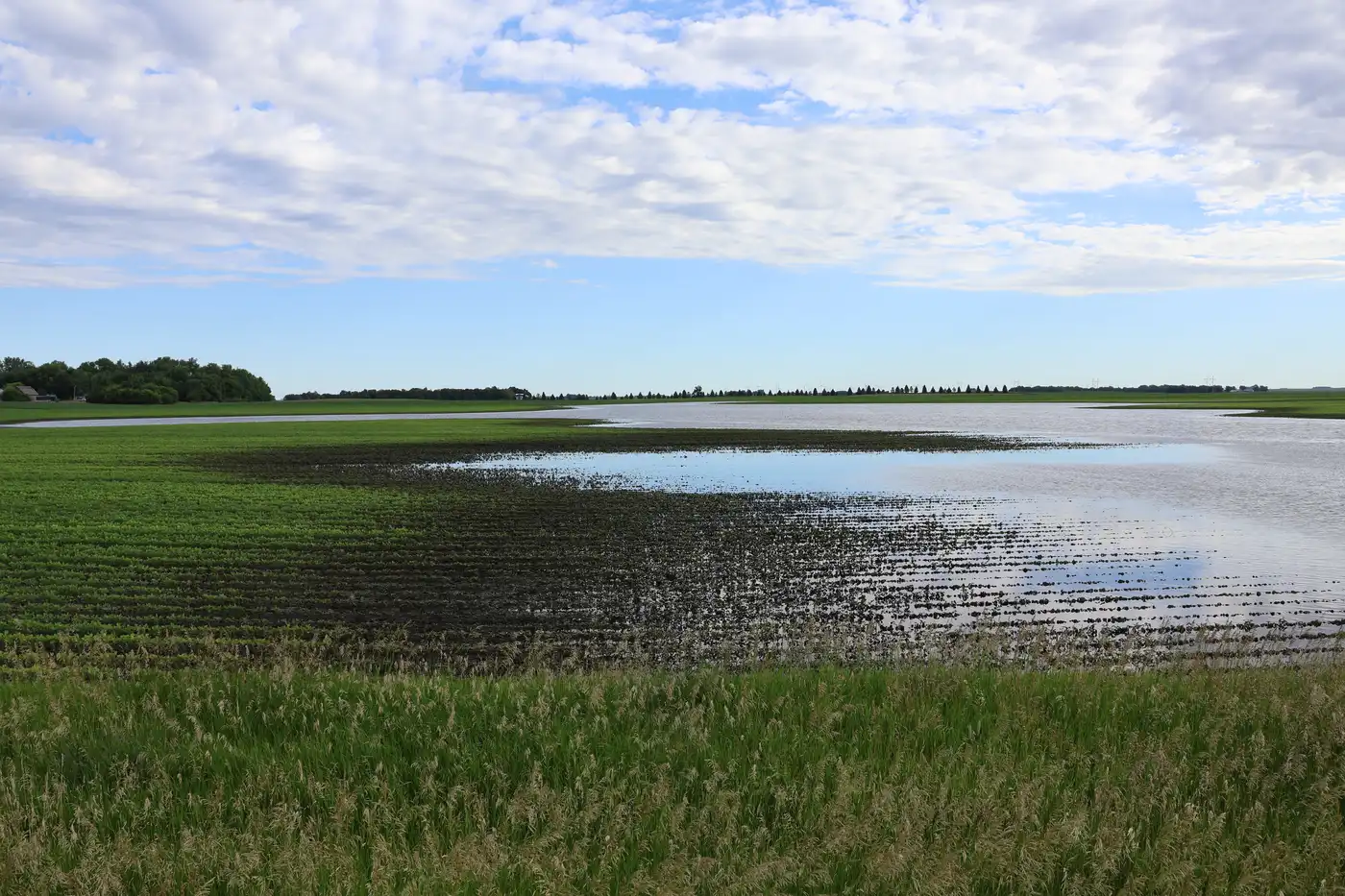
"In Two Wells, the weather conditions in the past 6 months have certainly provided some unique challenges, namely in the form of sporadic and brief heat waves. These heat waves were also accompanied by days in which we would receive significant fluctuations between daily and overnight temperatures. This meant that the plants were at an increased risk of stress and ultimately led to a degree of adjustments to our pruning and harvesting schedule, as well as to our fertilizers and irrigation."
"In Devonport, we also faced challenges with weather conditions; however, more recently, throughout the month of March, we experienced considerable storms with rainfall and strong winds that compromised some of our growing infrastructure. The glasshouse was thankfully unaffected, but due to the lack of sunlight, we experienced some minor hindrances to plant productivity."
The severe weather towards the end of last year and the start of this year in Queensland and New South Wales, thankfully, did not directly affect the company's tomato farm in Bowen, Queensland. The worst weather event occurred during the off-season in Bowen, and there were no plants in the ground.
"We experienced delays to our pre-season activity, namely through the preparation of our soil and the delivery of key commodities.
We are still experiencing the effects of these delays as we have just recently begun transplanting for the upcoming season. Like most of the country, we were also affected by delays relating to transportation and logistics," said Nick.
Combining hydroponic technology with a controlled environment
Kapiris Bros exclusively employ glasshouse growing techniques on their capsicum farm in Devonport. The initial philosophy behind the glasshouse operation was to combine hydroponic technology with a controlled environment to achieve the highest quality capsicums in the
largest possible yields.
"Within our glasshouse structure, we can control the ambient temperature, humidity, and light levels allowing us to grow virtually on a year-round basis. Our recirculating hydroponic CEA system provides us with the following benefits:"
- 100% of the water is being used for growing.
- No water is lost to evaporation.
- No growing medium to dispose of our Coco Peat Coir is mulch into compost.
- Virtually no waste to contaminate the environment.
- Less minerals are required.
- Utilises space in a more efficient manner.
Kapiris Bros have seen a healthy and consistent demand for both gourmet tomatoes as well as green, yellow, and red capsicums throughout their respective seasons.
Gourmet tomato demand remains strong as they cater to a wider consumer base as they, are readily available all year round and can be applied to any dish. Consumers are still inclined to prepare meals at home and are sourcing their fresh produce, namely their tomatoes, from supermarkets or their local greengrocers.
"When speaking on the demand for capsicums, we find that consumers are typically more partial to red capsicums. With that said, green capsicums are harvested earlier, which can give them a unique peppery taste and crunchy texture. They work exceptionally well in
savory recipes. Yellow capsicums have a more mild-fruity taste and are often grilled and roasted to give a dish a sweet and fruity aftertaste."
"As economic circumstances change, we can see that consumers are increasingly aware of their spending habits, particularly when it comes to the choices they make when eating out or eating in. Due to the cost-effective nature and availability of gourmet tomatoes and
capsicums, they are always a reliable choice for consumers. Varieties that are versatile consistently remain in demand. It certainly helps that gourmet tomatoes and capsicums have such a wide application when it comes to any culinary endeavor."
New varieties or brands
"Every growing season, our research and development efforts on our farms center around performing screening trials on a certain number of differing tomato and capsicum varieties. We measure the performance of these varieties against specific criteria and determine whether they should be further trialed on a much larger scale."
"This season, in Two Wells, two varieties passed the initial screening trial that we performed in the opening months of the season. We are currently monitoring how they perform and behave in a much larger trial in order to ascertain whether the promising signs they have displayed are best suited for the climate of our hydroponic houses.
Further to the aforementioned criteria, we analyze the performance of a variety's disease package as this has continued to be a challenge many of our neighboring farms in the Two Wells growing region have reportedly dealt with not only this season but seasons prior.
Amongst these criteria are the more obvious markers of a variety's success, such as yield and quality of the fruit harvested."
Source - https://www.freshplaza.com