Australia trials laser-based soil sensing for precision fertiliser use

24.09.2026 325 views

A new technology promises to give growers pinpoint accuracy when applying fertiliser, which could bring down costs, increase efficiencies and enable better decisions within tight seasonal windows.

Hort Innovation, the not-for-profit, grower-owned research and development corporation for Australia's $18.4 billion horticulture industry, has invested in TerraBlaster, a start-up developing in-field soil sensing technology.

The system uses a laser-based sensor to measure soil properties directly in the paddock while equipment is operating, then turns that information into maps that show where fertiliser may or may not be needed.

With fertiliser being one of the biggest and most variable input costs for many Australian horticulture growers, tools to maximise its impact were worth exploring, Hort Innovation General Manager of Production & Sustainability R&D Anthony Kachenko said.

"We're all about investing in ways to make a positive impact for growers, and TerraBlaster could deliver significant savings for growers," Mr Kachenko said.

"Growers need timely, actionable information to make confident decisions, and this technology provides up to 16 times greater detail for fertiliser application than typical grid sampling and delivers results within seconds, helping growers respond faster.

"We think this could become a practical soil data and precision nutrition tool used alongside farm equipment, agronomy advice and input planning."

The investment was made by Hort Innovation Frontiers, which helps bring promising tools closer to Australian growers by supporting validation, adaptation and commercial pathways. TerraBlaster aligns with the Hort Innovation Frontiers themes of disruptive technologies and adoption and resilience because it turns advanced sensing into a practical farm tool. Its potential value is not just the technology itself, but whether it can fit into normal field operations and help growers make better fertiliser decisions within tight seasonal windows.


Source - https://www.freshplaza.com

19.11.2026

USA - Trump Pushes Farm Bill as Farmers Face a 2027 Crisis

Trump demands a Farm Bill deal before Congress changes hands, as rising farm costs and political disputes threaten planning for the 2027 crop season.

19.11.2026

India - Areca growers stage protest in Shivamogga, allege injustice in awarding compensation under weather-based crop insurance scheme

Farmers from Tirthahalli, Sagar and Hosanagara taluks staged a protest in front of the Deputy Commissioner’s office in Shivamogga on Thursday, alleging that areca growers have been denied their due under the weather-based crop insurance scheme.

19.11.2026

PM Shehbaz pledges financial support for modern agricultural research in Pakistan

Prime Minister directs ministries to accelerate agricultural innovation, improve crop yields, expand mechanisation and strengthen crop insurance to protect farmers against climate risks.

19.11.2026

USA - Hatch chile farmers face major crop loss after flooding hits fields

Heavy rain flooded chile fields in Hatch, where one farmer says half of one field may dry up after drought, disease and soaked soil hit his crop.

19.11.2026

USA - Gallagher buys California ag broker Bay and Basin as deals stack up

Arthur J. Gallagher has acquired Bay and Basin Insurance Services, a Salinas, California-based property and casualty agency, for an undisclosed sum. The deal adds commercial, agricultural, surety, and employee benefits capabilities to Gallagher's West region.

19.11.2026

Storm Charles damages banana and avocado plantations in the Canary Islands

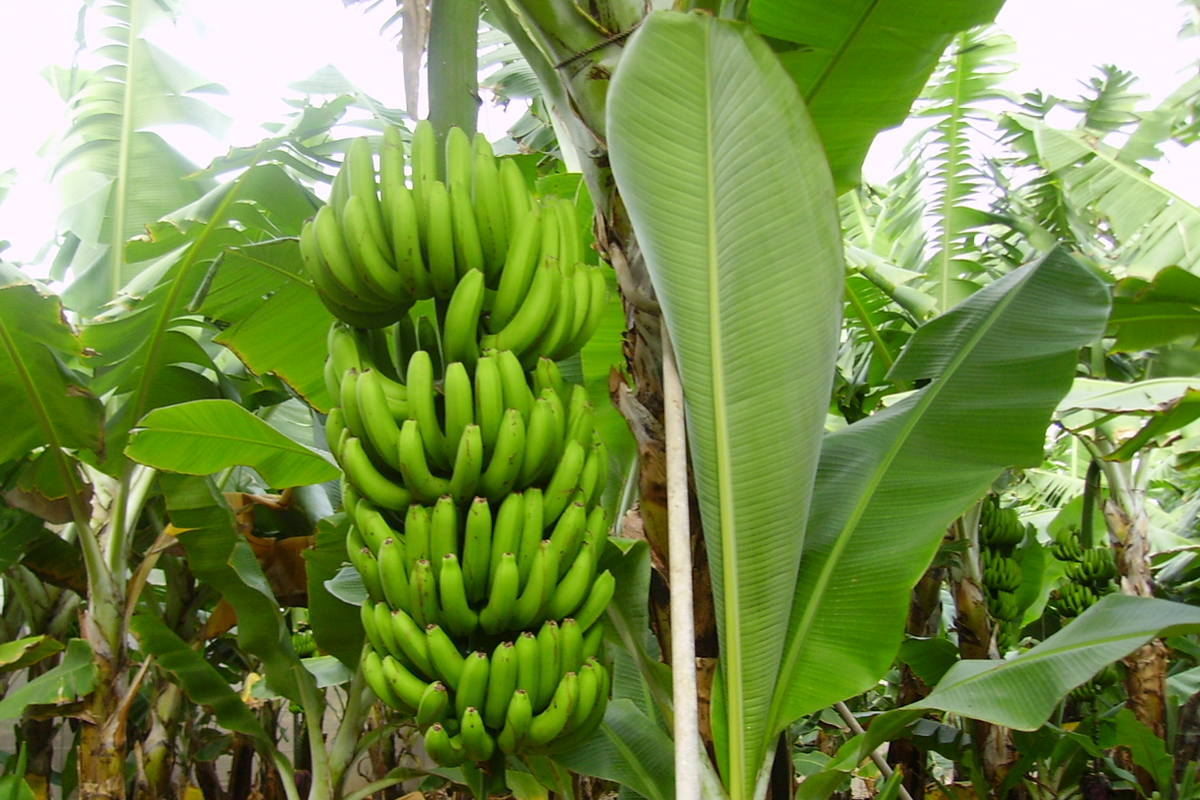
Storm Charles, which swept across the Canary Islands on November 11 and 12, damaged insured farms across the archipelago. Banana and avocado plantations on La Palma were particularly affected, with wind gusts exceeding 130 km/h and rainfall topping 230 l/m² in some eastern and northern areas of the island.

18.11.2026

USA - News UH researchers use AI to prevent crop damage by predicting spread of invasive beetles

Researchers at the University of Hawaiʻi at Mānoa are developing an artificial intelligence tool to protect agricultural lands by predicting where the invasive coconut rhinoceros beetle is most likely to spread.

18.11.2026

A hailstorm hit 5,600 hectares in Spain's Baix Maestrat, causing millions of euros in damage

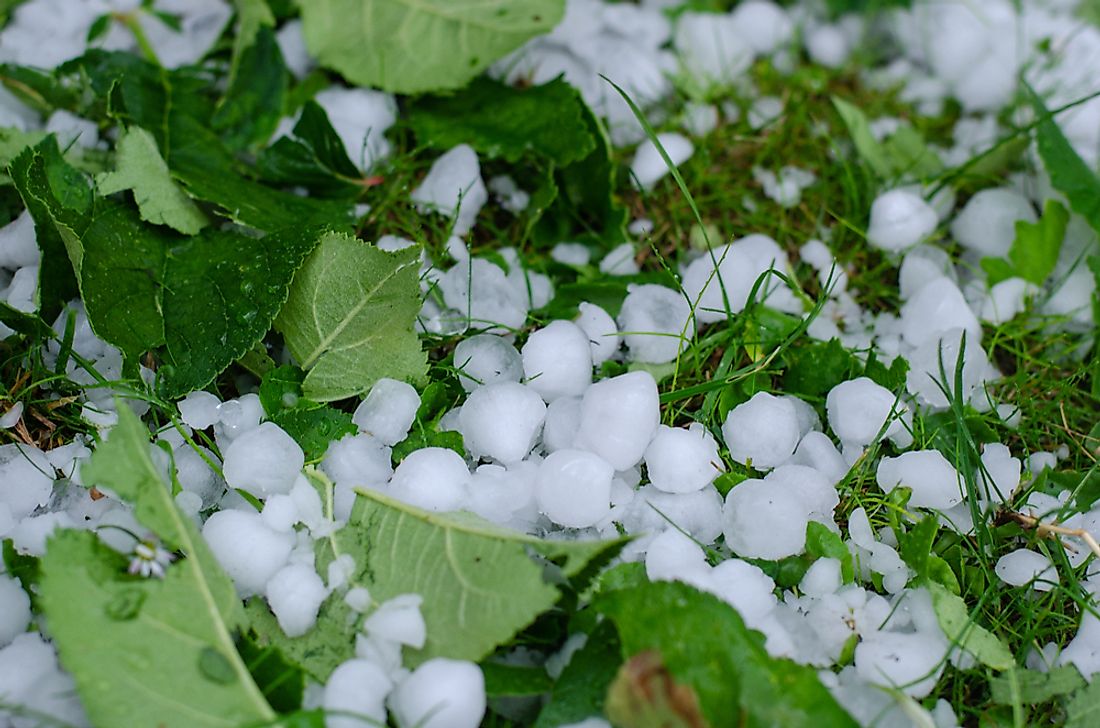
Last Saturday's hailstorm and strong winds caused significant crop damage in the Baix Maestrat region of Castellón, particularly to citrus fruits.