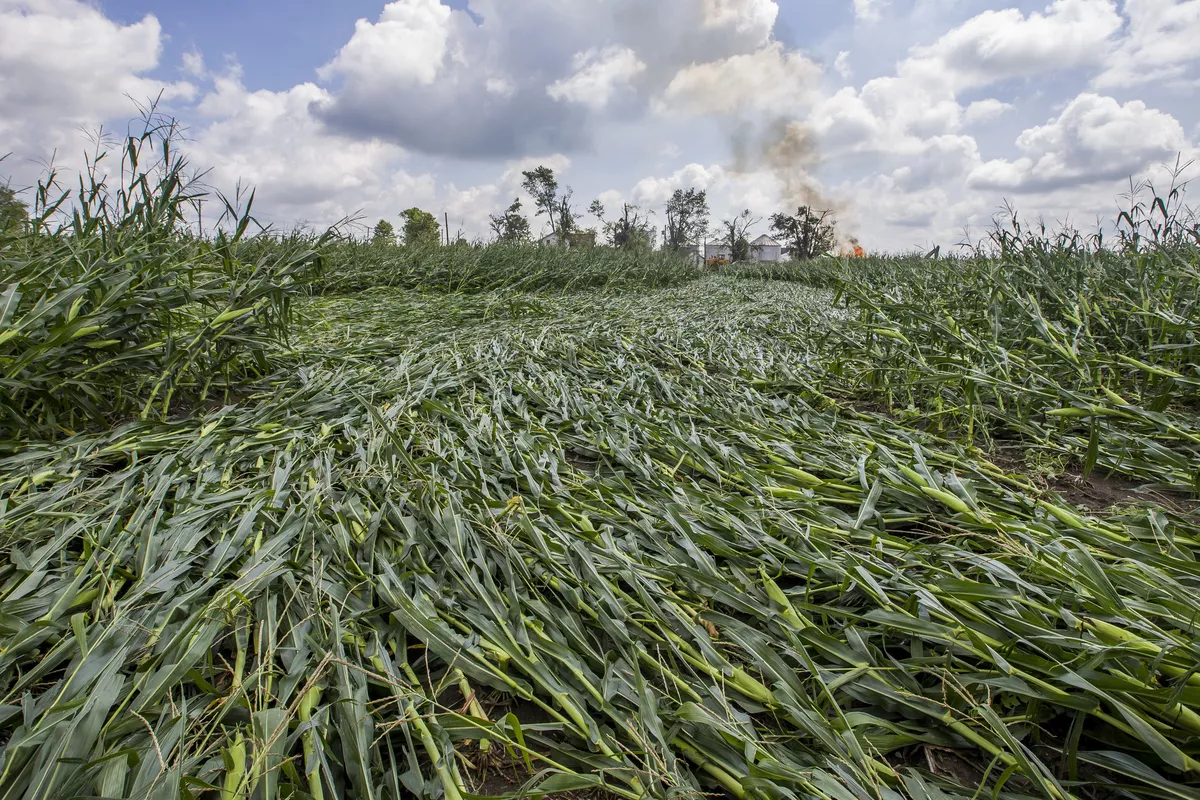
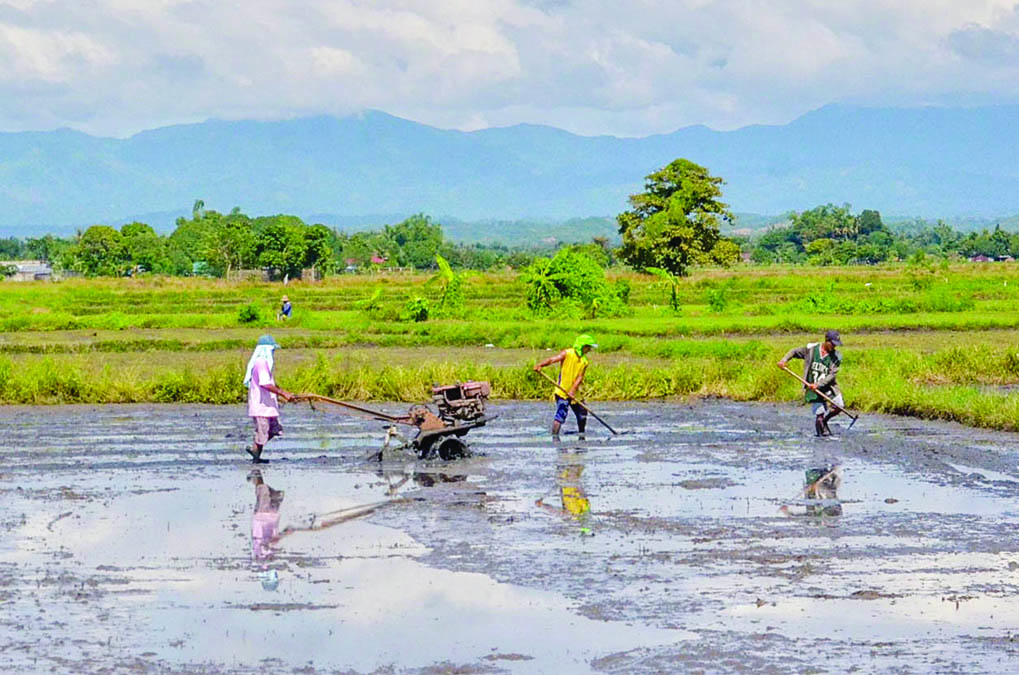
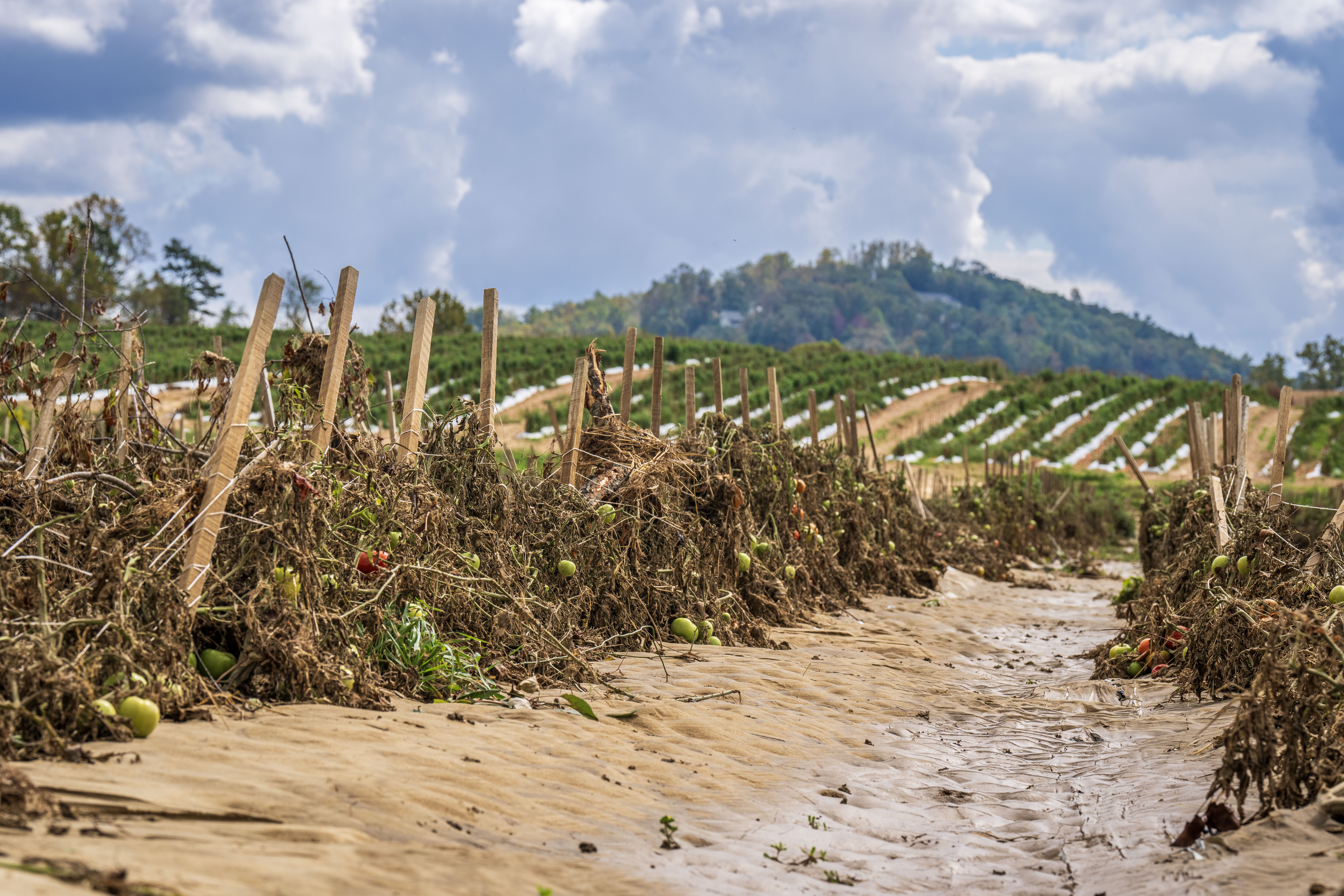
Prolonged flooding and frequent cyclones this year have left the farmers in coastal districts in serious economic uncertainty as government support has been very little to nothing. In October–November, farmers in 16 coastal districts suffered crop losses from cyclones Hamoon and Midhili while another storm is forming in the Bay of Bengal that could hit the area on December 2. In the past few days, the Department of Agricultural Extension has advised farmers in the region to harvest their rice crop at the earliest, long before the harvesting season, to minimise losses. The agency advises the farmers to harvest knowing that 70 per cent of the crop, mostly aman, is not ready for harvesting and the farmers have already faced Tk 387 crore in losses from Midhili. About 292,419 farmers in 16 coastal districts were affected by Midhili and vast croplands in some districts are still submerged with water that collected during the two cyclones. In reality, the extent of crop loss is greater as the government tends to underestimate the actual loss to play down farmer’s demand for help.
Farmers in the coastal area are bearing the brunt of climate change. During the aman season this year, they had to delay the seeding as the cropland was not ready because of water stagnation from untimely heavy rain. Farmers usually plant aman seeds in the second week of September, but untimely rain and two consecutive cyclones have disrupted farming. With another cyclone looming large, they are at risk of further crop losses and socio-economic sufferings. Farmers are not insured and the help that the government provides them with is minimal. All that the agricultural extension office promises is a prioritised access to subsidised seeds. Affected farmers consider that the supply of subsidised seeds and fertilisers amidst frequent natural disasters is not what they need. Poor farmers in the coastal area are dependent on high-interest loans for farming and they are now in a fix with recurring episodes of natural disasters and their inability at repaying the loans. The poor people in this area are already suffering from the increased salinity of the surface water. The government, too, has recognised the problem but has done very little to help the affected people.
Bangladesh stands at the forefront of emerging climate chaos, with its coastal region witnessing frequent cyclones and a sea-level rise for three decades. It is time that the government improved its disaster management programme with an emphasis on economic protection, more specifically crop insurance for farmers in the coastal districts. For the farmers affected by Hamoon and Midhili, the government must immediately arrange a cash and food aid programme so that they can recover from the losses. Without providing adequate socio-economic support, it appears irresponsible to advise farmers to harvest their unripe crop.
Source - https://www.newagebd.net