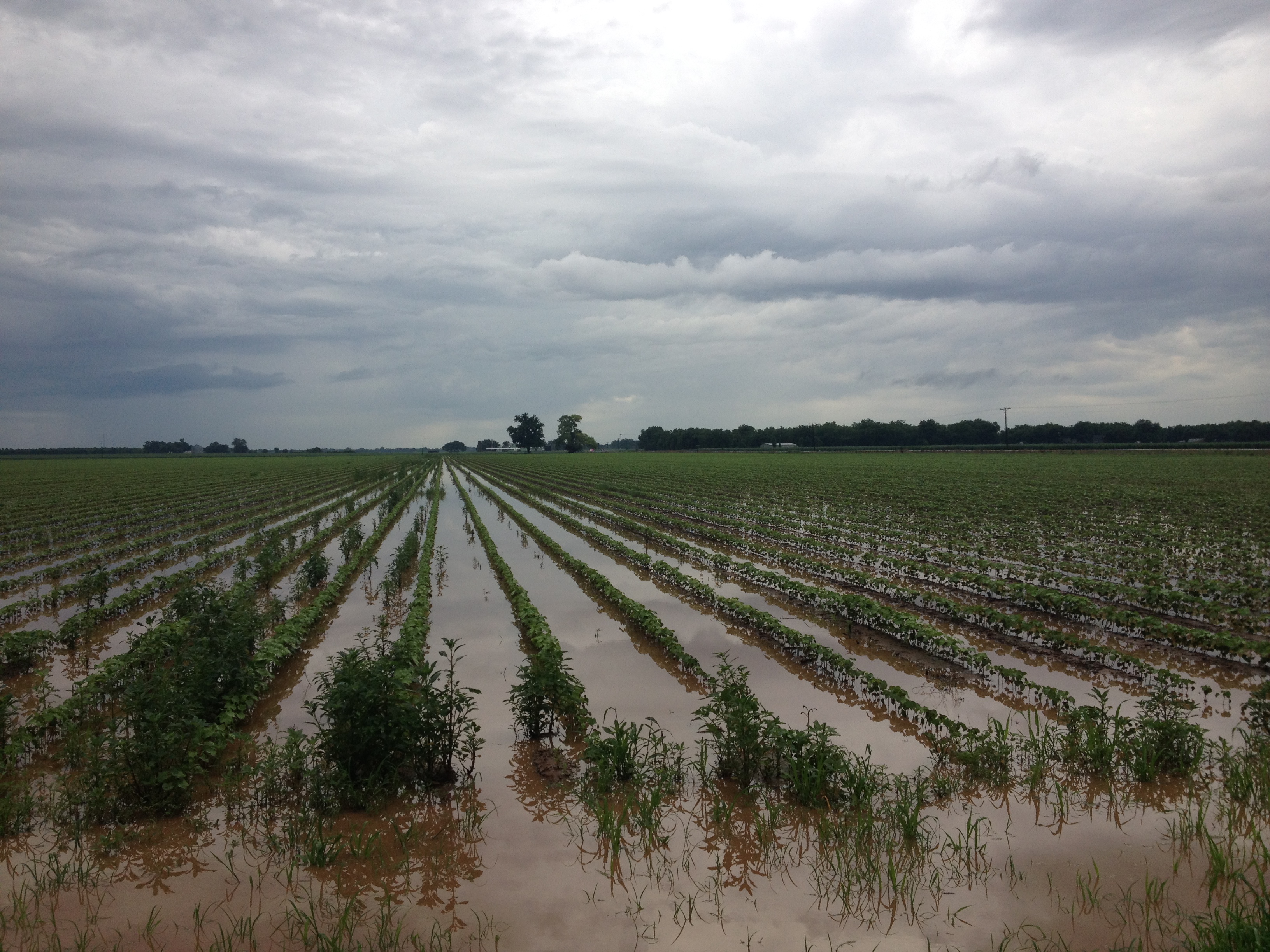
Farmers in the haor areas of Sunamganj are gripped by anxiety as unfinished crop protection dams threaten to submerge their Boro fields amid fears of an early influx of water originating from the upstream Indian mountainous regions.
Although the deadline for completing the dams expired on 28 February, significant portions of the work remain unfinished, raising concerns over the safety of Boro paddy worth an estimated Tk5,000 crore.
Farmers said the single Boro harvest is often their only source of income for the entire year. While the lush green fields initially bring joy, that relief quickly fades as they recall that the embankment work meant to protect their crops has not been completed on time.
According to local sources, only 50–55% of the dam work was completed by the stipulated deadline. However, officials claim progress has reached 78 percent.
Allegations of irregularities have also surfaced. Farmers claim that despite substantial allocations, essential tasks such as dam compaction, carpeting and grass plantation remain incomplete. They further alleged that construction neither began nor progressed on schedule due to negligence by the authorities concerned.
Several farmers accused a powerful syndicate of controlling the project under the guise of farmer-led Project Implementation Committees (PICs). They alleged that signboards were absent at many sites and that responsible officials, including PIC presidents and member secretaries, were not visible during construction. In some cases, soil was reportedly added improperly, while cropland and elevated “kanda” land were cut in violation of regulations.
Shafiul Alam, a farmer living on the banks of a haor, said thousands of farming families fear that sudden upstream water from India could breach the unfinished dams and destroy their crops. “We are always worried about the dam. If it were completed on time, we could remain tension-free. But like every year, the work is delayed,” said another farmer, Hossain Mia.
Informed local sources alleged irregularities in the formation of PICs, inclusion of unnecessary projects and excess allocation of funds. They also claimed that the national election is being used as an excuse to justify delays and cover up shortcomings.
According to the Bangladesh Water Development Board, a total of 602 kilometres of embankments are being constructed or renovated under 710 projects in 12 upazilas of the district at a cost of Tk145 crore. As per the KABITA policy, work was scheduled to run from 15 December to 28 February.
Officials said 78% of the work has been completed so far. Tk47 crore has already been allocated, with an additional Tk20 crore expected shortly.
Mamun Hawlader, executive engineer of the Water Development Board in Sunamganj, said the work was slowed due to the national elections and that an extension of 14–15 days has been sought. “Earthwork is almost complete, and overall progress stands at 78%,” he said.
However, Obaidul Haque Milon, general secretary of the Haor River Protection Movement, expressed dissatisfaction over both the progress and quality of the work. “The actual situation on the ground does not match the information provided by the authorities,” he said.
Bijan Sen Roy, general secretary of the central committee of the Haor Bachao Andolan, also voiced concern, stating that the dam construction has not been carried out properly and progress remains unsatisfactory. “If the embankment collapses and crops are submerged, we will take legal action,” he warned.
Mohammad Omar Faruk, deputy director of the District Agricultural Extension Department, said Boro cultivation this season covers 230,505 hectares across 12 upazilas in Sunamganj. The expected production is 1.4 million tonnes of paddy, valued at approximately Tk5,280 crore.
With the harvest season approaching and the threat of flash floods looming, farmers remain uncertain whether their year’s hard-earned crop will survive.
Source - https://www.daily-sun.com