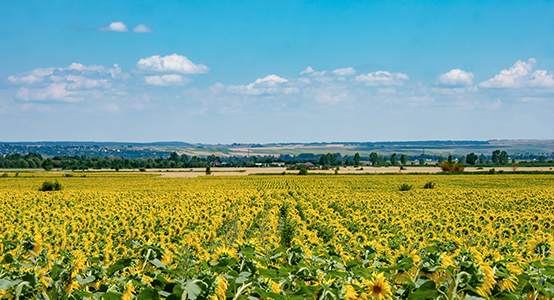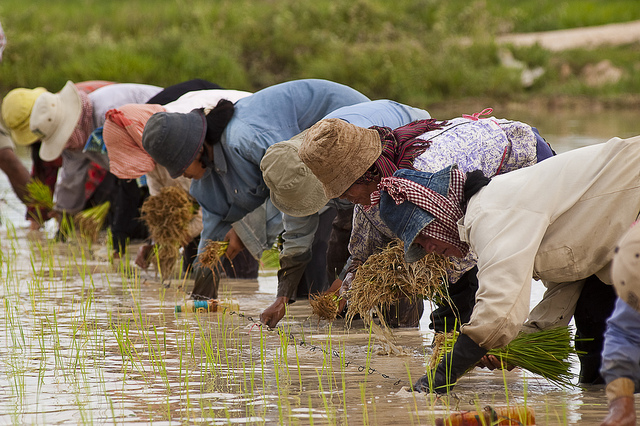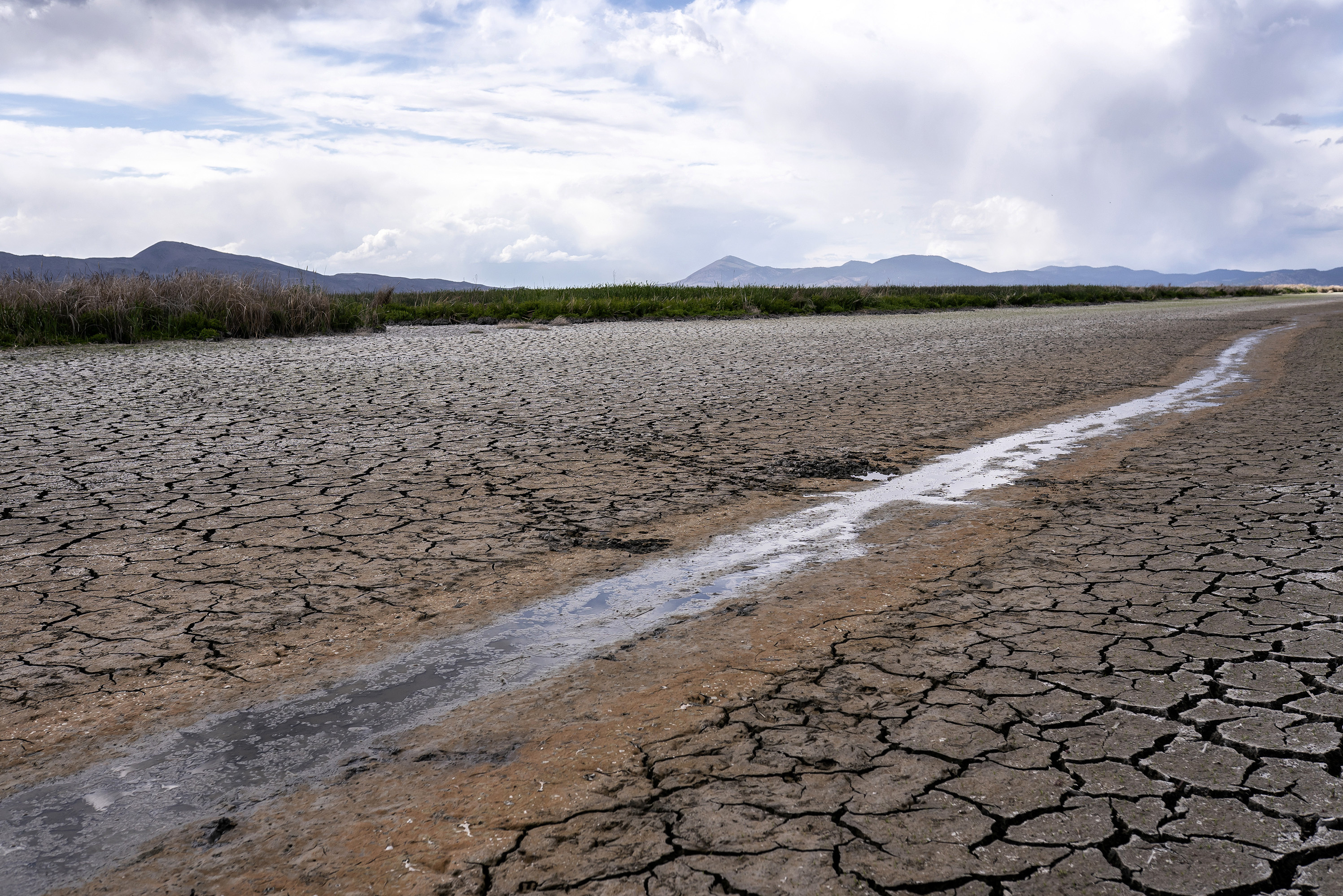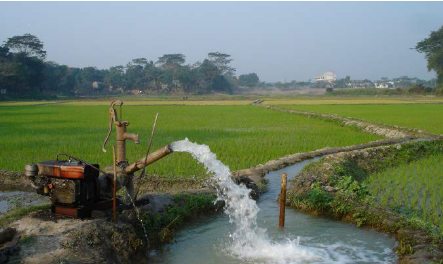
Additional 12.45 lakh tonnes of crops are being produced every year as a result of need-based infrastructural developments in the country’s northwest region.
Barind Multipurpose Development Authority (BMDA), ever-largest irrigation-providing state-run entity, has implemented a number of uplift projects in all 16 districts under Rajshahi and Rangpur divisions.
In addition to installation of 3,236 deep tube-wells, 3,112 other non-functional deep-tube-wells were reactivated creating scopes of bringing around 1.5 lakh hectares of land under controlled irrigation together with transforming those into three-cropping from double-cropping.
Instead of the previously earthen canals, 7,819-kilometer new concretized submersible canals were constructed side by side with expanding another 1,404-kilometer in commanding areas of each of the tube-wells.
The development works saved 570 hectares of farming land coupled with resisting water from wastages. 12,031 hectares of lands were freed from water-logging thereby 3.4 lakh tonnes of additional crops are being produced through bringing 89,000 hectares of land under irrigation every year.
The BMDA has re-excavated 1,483-kilometer derelict canals and 1,067 ponds creating scopes of producing around 2.15 lakh tonnes of additional crops annually through bringing 52,500 hectares of land under supplementary irrigation with surface water.
The region saw significant progress in the crop production sector following the expansion of irrigation facilities along with supplying water from the re-excavated canals and ponds.
Talking to BSS, BMDA Chairman Dr Asaduzzaman said they have also arranged irrigation privileges to around 20,700 hectares of land with surface water through installing 11 pontoons in rivers and 745 low lift pumps in rivers and canals.
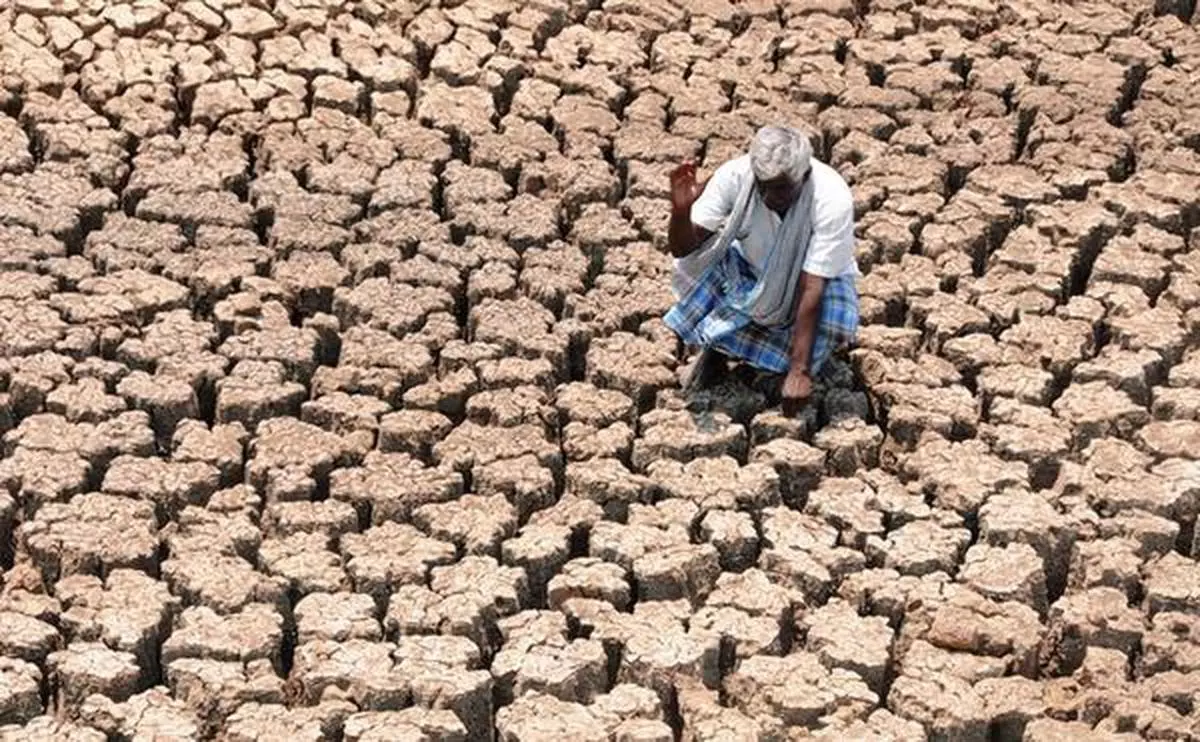
Around 20,000 households are getting safe drinking water from dug-wells in some of the drought-prone high Barind tract where the existing shallow and deep tube-wells are yet to reach due to various reasons.
The villagers are not only using the water for drinking and other household purposes but also cultivating various less-irrigation consuming cereal crops and vegetables with the best use of the surface water.
Around 750 hectares of land have been brought under vegetable farming through operating 413 dug-wells. More than 2,250 farmers were imparted training on how to operate the pumps side by side with using and promoting soft-irrigation.
So far, 420 dug-wells with an equal number of solar power panels were installed bringing 33,750 people under safe drinking water supply coverage, besides providing irrigation to 1,350 hectares of lands in 197 villages.
The solar pumps are being used to fetch water from those dug wells. As a result, farmers’ families are getting water through the water distribution installations and 1.5-inch diameter pipeline easily for irrigation and household uses.
The solar panels are also being used for lighting the pump house areas and as a funnel for harvesting rainwater which is also recharging subterranean water level.
“We have installed 7,509 prepaid meters in irrigation pumps for preventing wastages of both water and power and for lessening the farmers cost for irrigation,” said Engineer Dr Zaman, adding that the farmers are giving irrigation to their lands based on necessity as a result of meters.
It has also constructed 1,212 drinking water supply installations ensuring safe drinking water to around eight lakh rural populations.
Rezaul Karim, Assistant Engineer of BMDA, said they built a 62-metre rubber dam at the cost of Taka 14.30 crore on the bank of the Baranai River, which is flowing through Bagmara and Naldanga upazilas.
Another part of the river passes through Manda, Mohanganj, Naohata and Shilmaria union of Puthia upazila.
Due to the dam, the river is filled with water throughout the year that brought the lands adjacent to the river under irrigation facilities, Karim said.
The farmers are now cultivating crops three times by using this water for irrigation, he added.
On the other hand, many domestic species of fish are found in the river. A few hundred people in the area are maintaining their livelihood by catching these fishes.
Karim said water also remains in about 15 beels (water bodies), including Beel Kumari, Khaira Beel and Mora Beel round the year. The farmers are now getting water from the beels for cultivation.
Source - https://www.bssnews.net