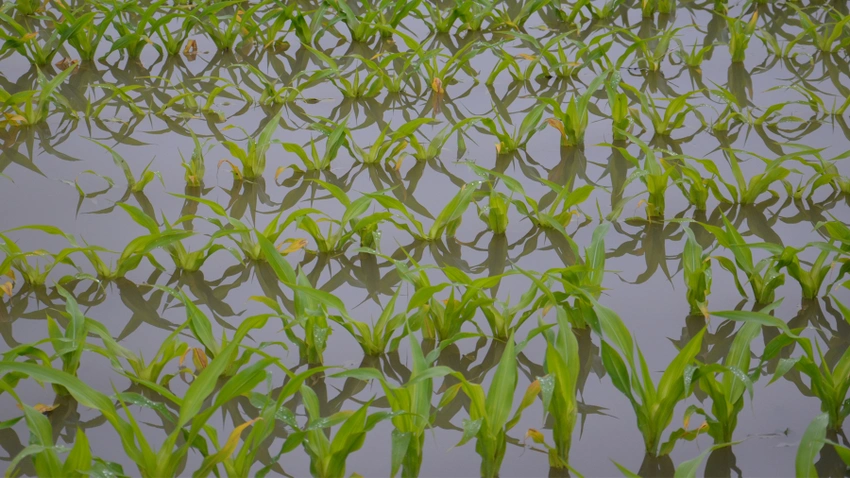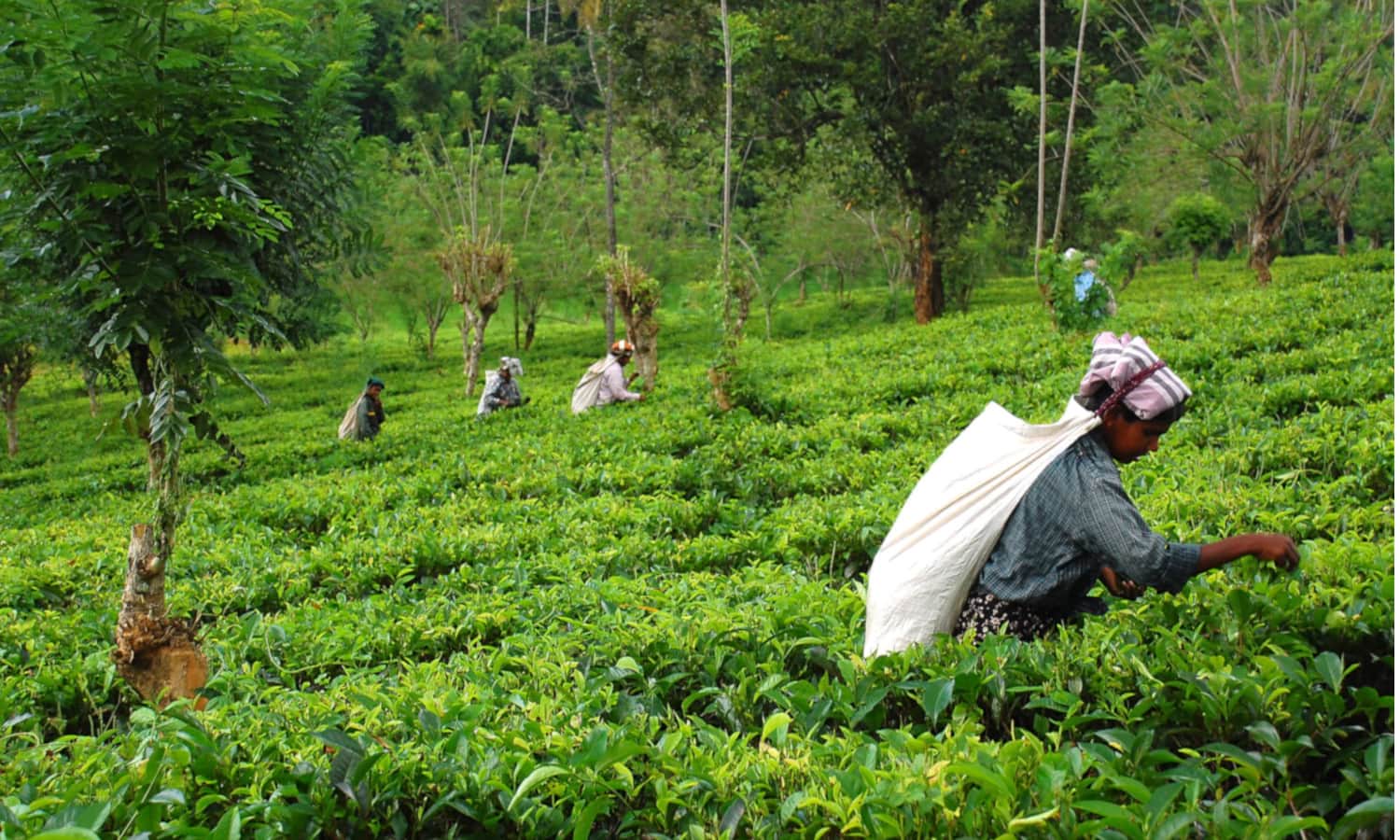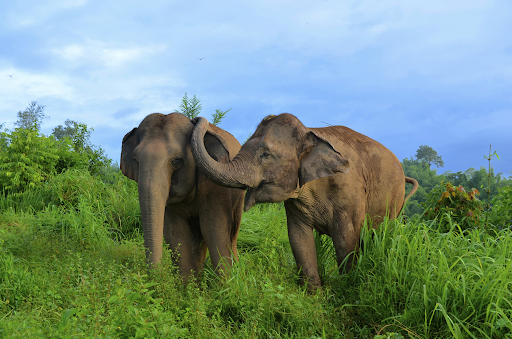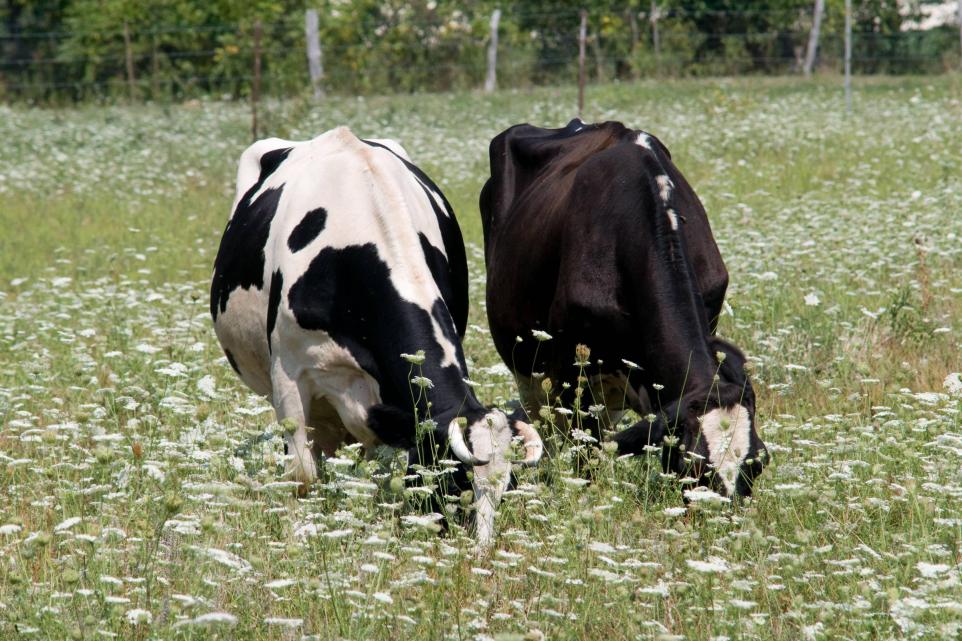
Farmers and cattle rearers in Sunamganj’s haor region are facing growing uncertainty over livestock feed following heavy rainfall that damaged paddy crops and disrupted straw collection, the main source of cattle fodder.
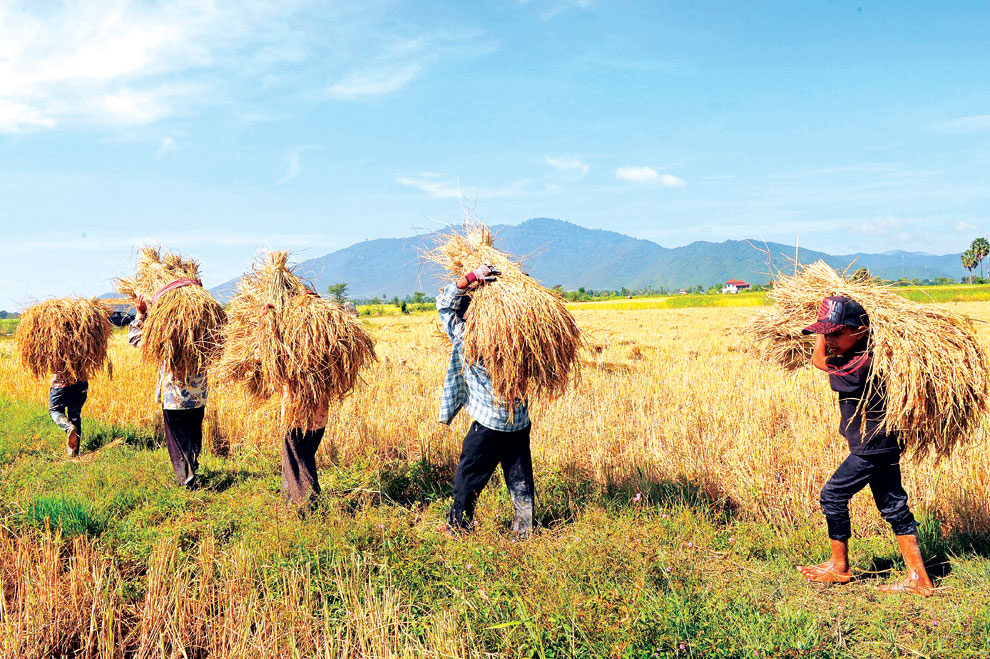
After widespread crop loss caused by waterlogging and flash floods, farmers said they have been unable to collect sufficient straw (locally known as khor) for cattle feed. Straw cut from submerged fields could not be properly dried due to continuous adverse weather and has largely rotted.
Although some farmers managed to salvage portions of damaged straw after the weather improved, they said it is still not enough for livestock consumption.
As a result, many cattle rearers are being forced to sell cattle at lower prices, raising concerns over their livelihoods. Farmers in the 12 upazilas of Sunamganj said cattle, including cows and buffaloes, are closely tied to the haor economy, supporting ploughing, protein supply and household income.
They said around 85% of cattle feed in the district normally comes from paddy straw, while natural grass provides some support during the dry season. However, for nearly six months of the year, livestock depend mainly on stored straw.
This year’s flood-related damage has severely affected straw collection, leaving most farmers and small-scale livestock owners without adequate feed reserves.
An elderly farmer from Janigaon village in Sadar upazila, Shamsu Mia, said he owns nine cattle and usually depends on straw collected during the Baishakh season. However, this year he was unable to store enough due to flooding.
He said even the small amount of rotted straw he managed to dry would not last more than two months, leaving him worried about sustaining his livestock.
Another farmer from Solf village in Shantiganj upazila, Ruhul, said he may be forced to sell part of his cattle herd as he has no clear plan for feeding them. “We could not store straw or fodder this year. I don’t know how to continue raising cattle. I may have to sell some of them,” he said. Farmers said many others are in a similar situation and are selling cattle at low prices out of necessity, calling for government support to address the crisis.
“Without feed, we will have to sell cattle at lower prices. Many are already doing so,” said Rukunuddin of Janigaon village.
Officials at the Department of Livestock Services in Sunamganj said the district usually produces around 1.8 million tonnes of straw annually, but this year’s flood damage is expected to significantly reduce output.
District Livestock Officer Dr Rofikul Islam said a feed crisis is already emerging due to crop damage and waterlogging.
He advised farmers to reduce reliance on straw and use alternative feeds such as bran, crushed rice and commercial feed supplements to ensure livestock nutrition.
Source - https://www.daily-sun.com