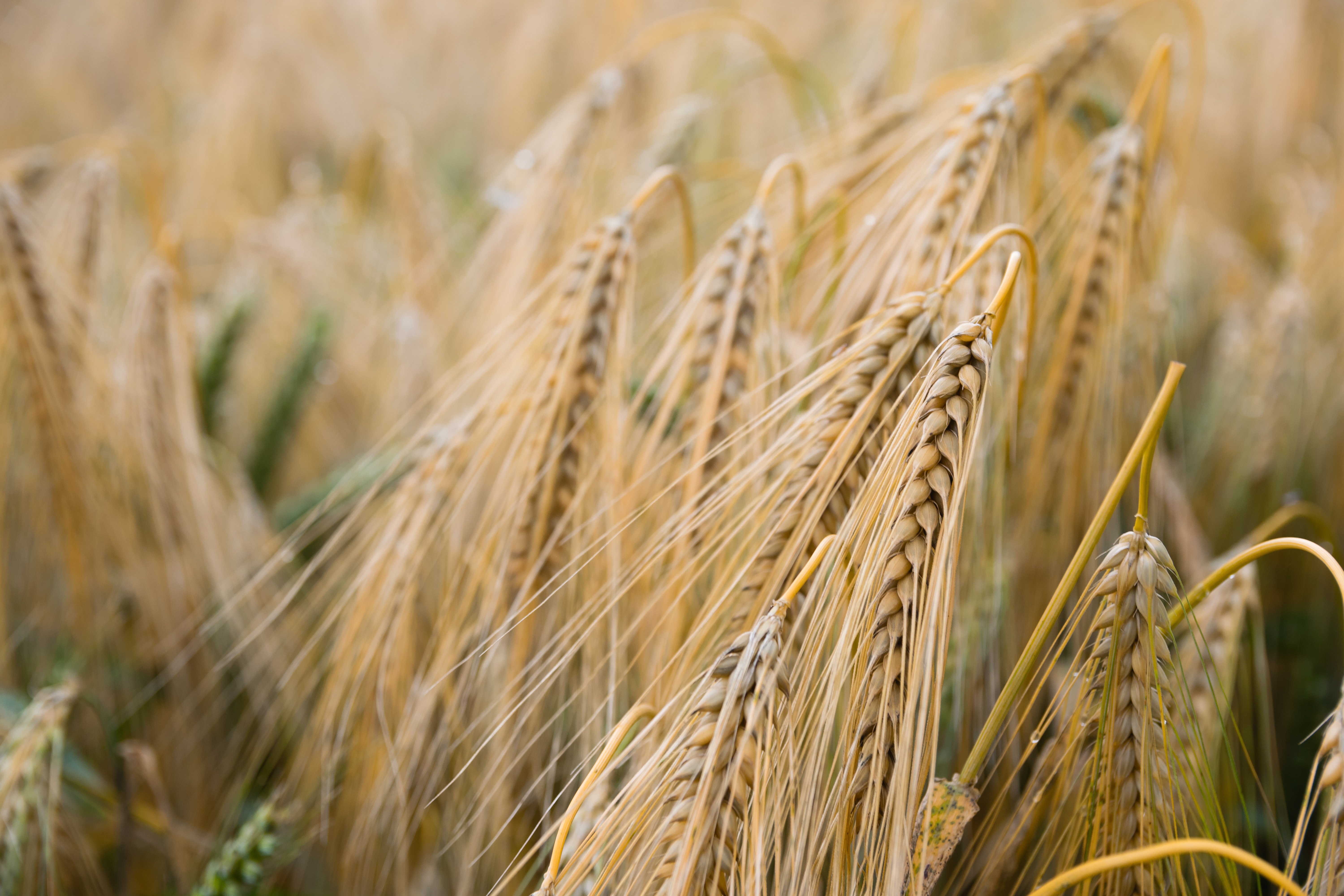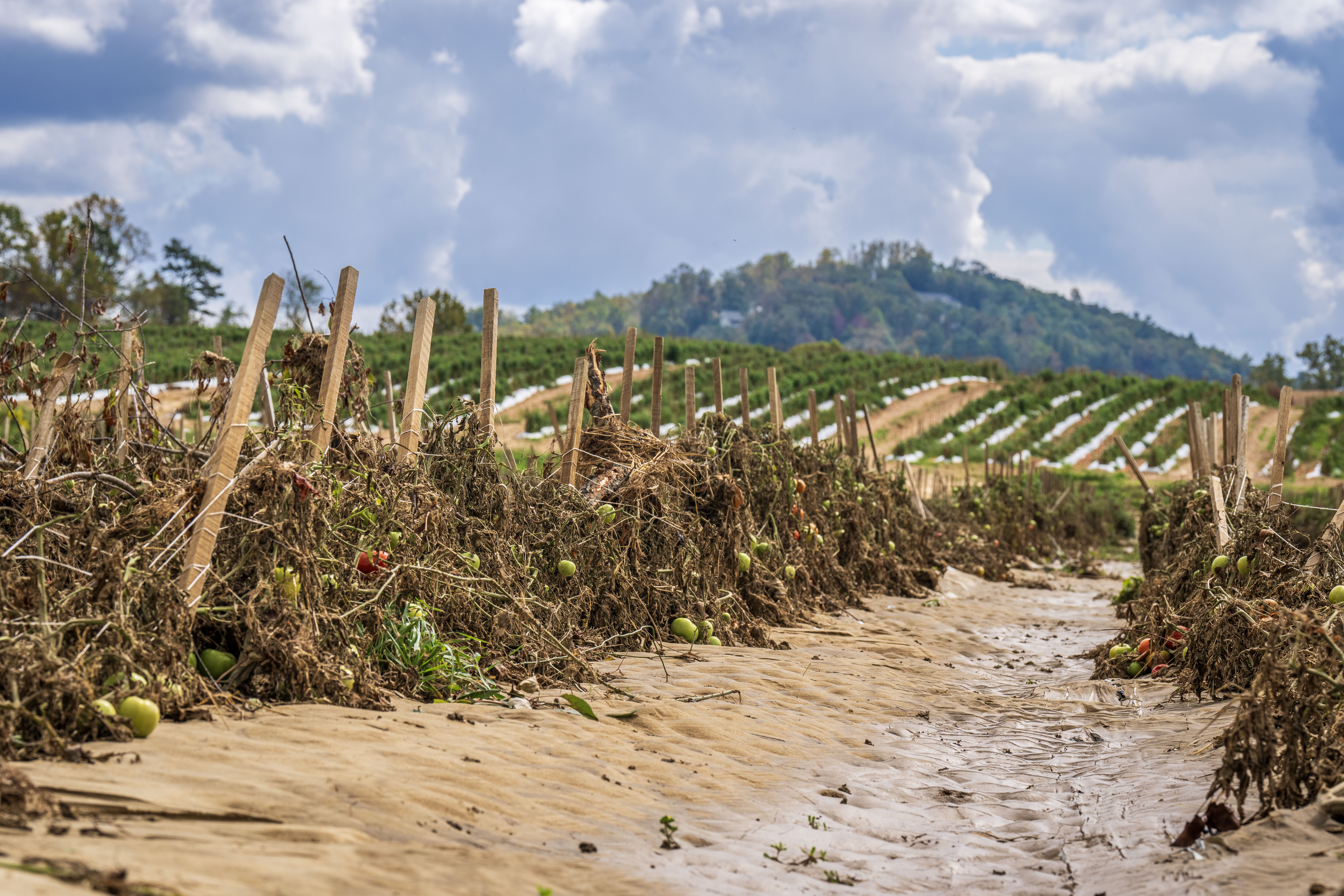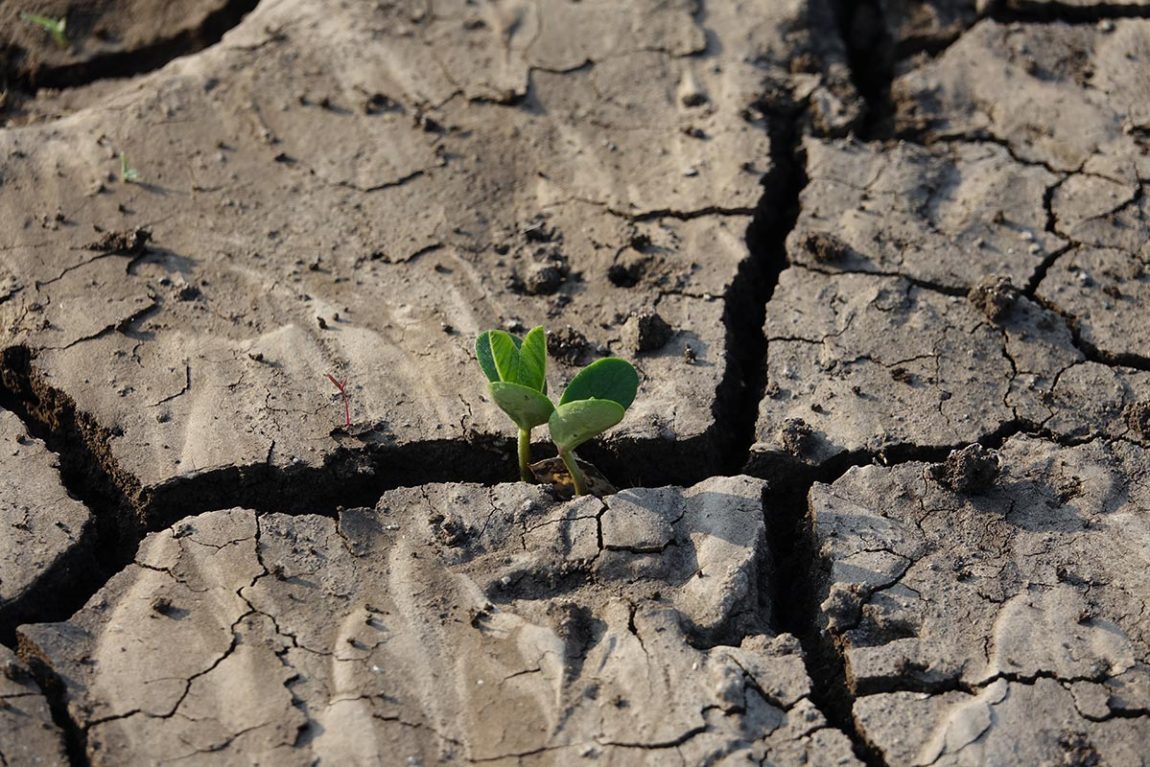
If you’ve ever enjoyed coffee, tomatoes, corn, bananas, mangoes, walnuts, chocolate, tequila or mezcal, you may just owe bats a thank-you.
While bats are often the subject of fear and scorn – they’re fixtures in Halloween decor and haunted-house imagery, and are frequently portrayed as harbingers of doom – their presence is often a sign of a thriving ecosystem. Some of our favorite food and drinks would be much less plentiful, or even nonexistent, without them.
Bats play a few significant roles in human food systems. Some serve as a form of natural pest control by feeding on insects that can destroy crops like corn and pecans. Others pollinate species like bananas, coconuts, avocados and agave, a role many people associate with bees and butterflies. And some fruit-eating bats help maintain wild plant populations through seed dispersal – think mangoes, cashews, figs and almonds.
Despite all the ways that bats help ecosystems thrive, “they often get forgotten” in conservation conversations, and in people’s estimations of what it takes to maintain sustainable food systems, said Kristen Lear, who works at Bat Conservation International. Whether it’s because we just don’t notice bats (as nocturnal animals, they’re certainly not easy to observe) or because we tend to associate them with dark and spooky things, bats are rarely championed. But as threats from habitat destruction, disease and climate change mount, it’s time that changed.
No bats, no tequila
Most of the time when you order a margarita, you probably aren’t thinking about bats – but maybe you should be. Tequila is made from agave, and agave plants have long relied on bats for both pollination and seed dispersal.
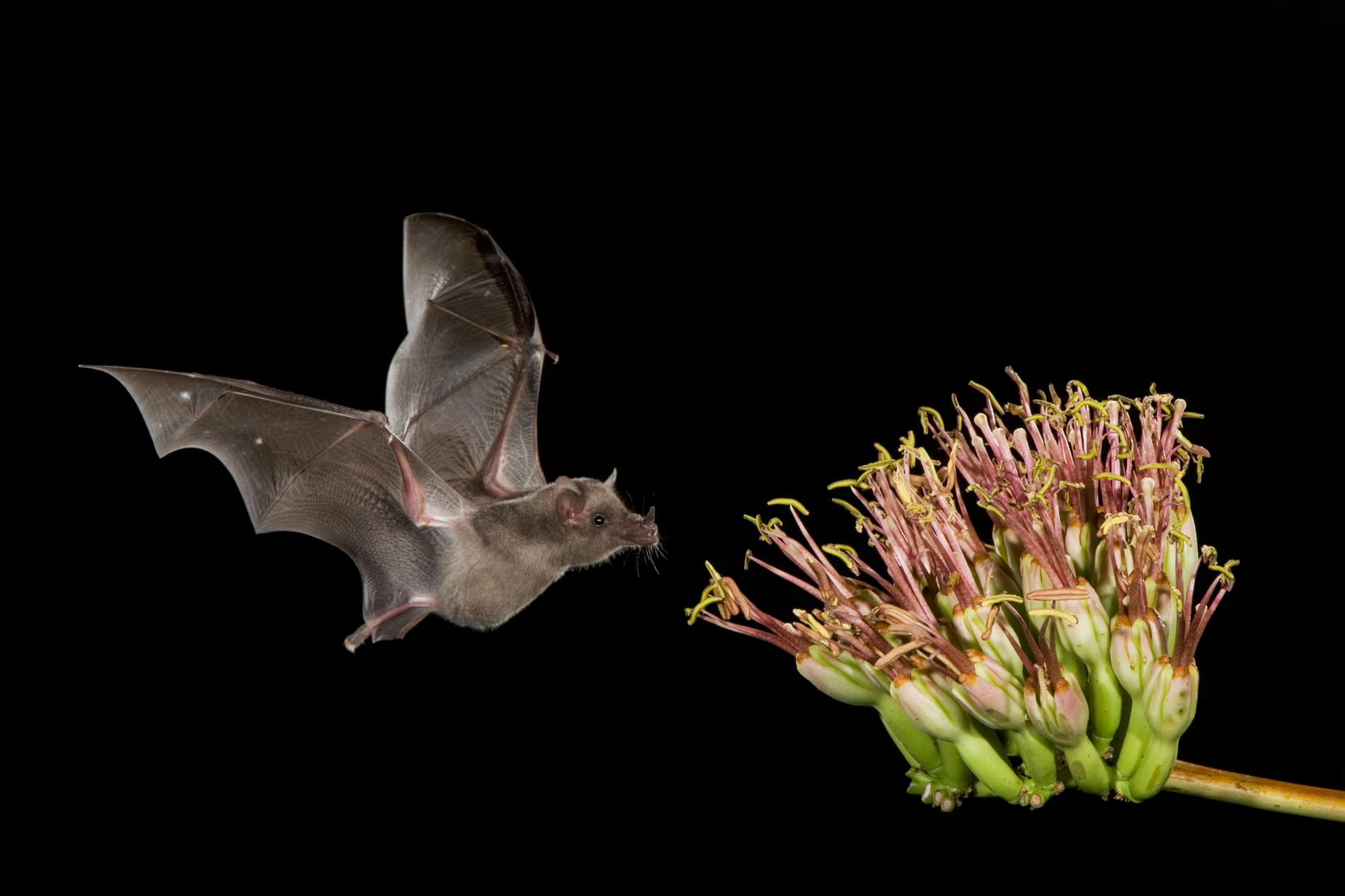
The Mexican long-nosed bat, which has co-evolved with agave for millions of years, is a fuzzy little gray-brown creature that uses its 3in-long tongue to slurp nectar from agave flowers that bloom at night. This migratory species travels from west Texas and south-western New Mexico down into Mexico each year, keeping pace with the blooming periods of agave and flowering cacti.
But as demand for tequila and mezcal – another spirit made from agave – has grown, the plant is increasingly being harvested at scales that put these migratory bats at risk. After having been appreciated in Mexico for hundreds of years, agave-based spirits are becoming increasingly popular abroad, and nowhere are they more sought-after than in the US, where about 80% of the world’s tequila is sold.
“Agave spirits from Mexico are very trendy now. Probably that trend started 10 years ago, but in the last four or five years, it has been intense,” said Diana Pinzón, a forestry engineer who works with small-scale mezcal producers. “It’s a big problem for agaves endemic to Mexico, and for the bats and all the biodiversity around the ecosystems where the agaves grow.”
US thirst for agave-based spirits, and the money that can be made from selling them, is driving growers to harvest at a scale and in a manner that’s not sustainable long-term, according to Pinzón. In many places, agave plants are chopped down before they’ve had time to bloom, leaving bats that rely on the flowers’ nectar with one less food source.
Producers can grow new agave by working with “baby” shoots sent out by parent plants, but without bats cross-pollinating them, the new plants are all clones and lose genetic diversity over time. Pinzón fears this will make the plants less resilient in the face of climate threats and extreme weather.
“These two species evolved together for the last 10m years. If you lose one, you lose the other,” she said.
Pinzón is building a small-label brand called Zinacantán Mezcal with a fourth-generation agave grower who leaves 20% of the crop in the field for the bats, and believes that limiting the amount of production of agave-based spirits is the only path forward for any legitimate claim to sustainability.
“The demand is like cars in the city. If you build a new freeway [to fix traffic], more cars will just end up on the road,” she said. “So the [agave] projects need to put limits and say: ‘OK, we can make that quantity [of spirits] every year and no more.’ We need to recognize and take action to mitigate our ecological impact.”
The bug-eaters
Troy Swift has been farming pecans in Texas since 1998, but hadn’t thought about building bat houses near his orchards until recently. He was first inspired when Merlin Tuttle, a legendary bat conservationist, visited his farm and suggested it. “He said: ‘Troy, with the biodiversity you have here, you really might want to consider using bats as part of your pest-control program,’” Swift recalled.
It wasn’t long before Swift started building his own bat houses. Within six months, bats had moved in. He now has 17 bat houses on his property, and is working with Tuttle’s organization to quantify the impact that the bats have on his crop. Together, they’ve used echolocation technology and guano (bat dropping) DNA sampling to learn that there are at least seven species of bats living on Swift’s farm. They also found that over the course of six weeks, the bats had eaten more than 100 species of insects.
They’re still trying to gather enough data to prove whether or not the bats are helping control the specific pest insects that eat pecans, but having found that the bats eat mosquitoes, flies and pests that bother livestock is already enough to convince Swift that bats have a role to play on farms.
“What we’re trying to do is leverage the use of bats into all agriculture and teach farmers that these bats are really your friends,” Swift said.
Other studies have already concluded that bats are providing farmers free pest-control services, whether they know it or not. Bats save more than $1bn a year in crop damage and pesticide use in the US corn industry, and more than $3bn a year across all agricultural production, according to Jade Florence, a biologist at the US Fish and Wildlife Service, who has worked on bat conservation efforts.
Simply having bats around, even when they’re not feeding, helps keep pests under control, according to Lear of Bat Conservation International. “The mere presence of bats in agricultural fields can actually suppress the activity of those insects,” she said.
How to help bats under threat
For all the good they do for food systems, bats face numerous threats. “Many species around the world, including here in the US, are undergoing some sort of habitat loss, whether that’s disturbance to their roost sites in caves or mines or trees, or loss of foraging habitat – loss of forests or agricultural areas that have healthy insect populations,” said Lear. Other threats include the extreme weather caused by the climate crisis and diseases like white-nose syndrome, a fungal disease that has decimated North American bat populations.
So what can be done? Lear has been working on a project with 60 partners across the US and Mexico to plant 115,000 agave plants in the Mexican long-nosed bats’ migratory path. Her organization recommends exploring nature responsibly (for example, respecting cave closures in order to not expose bat populations to new pathogens), protecting old trees that can serve as bat roosts, keeping cats indoors where they can’t harm bats and providing a water source in arid environments.
People who want to go one step further can build or buy a bat house and plant a bat-friendly garden with some native night-blooming flowers to attract nocturnal insects that bats can feed on. (Besides having a positive ecological benefit, “it’s just fun” having bats around, said Swift, who loves watching them emerge at dusk to hunt insects.)
But Lear said you can also help by doing something even simpler: talking about bats and why we need them. “The more we have people doing that to their friends and families, the more it will take root in their brains,” she said. “Over time, that will help gain public support for bat conservation.”
Source - https://www.theguardian.com