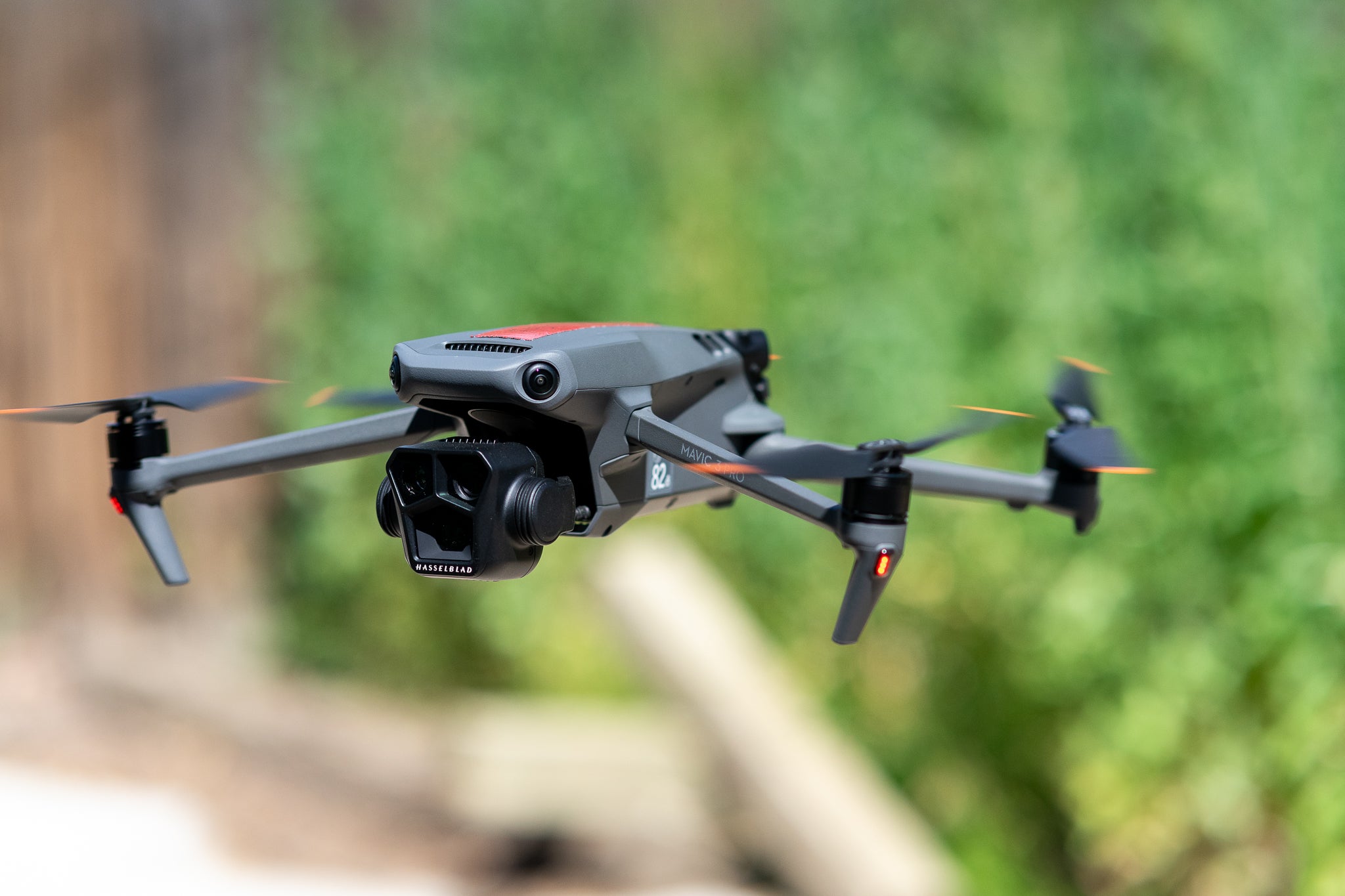
Agriculture drones, additionally referred to as unmanned aerial motors (UAVs) or unmanned aerial structures (UAS), have gained popularity inside the agricultural area because of their potential to improve efficiency and productivity. Here are a few blessings and drawbacks associated with the use of agriculture drones:
Benefits:
Precision Farming: Drones ready with numerous sensors, cameras, and imaging technologies can provide high-decision statistics on crop health, soil conditions, and irrigation wishes. This permits farmers to make more informed decisions and optimize resource use.
Increased Efficiency: Drones can cover big areas of farmland quickly and efficiently, allowing farmers to display and manipulate their plants greater correctly. This is particularly useful for large-scale farms in which manual inspection may be time-consuming.
Crop Health Monitoring: Drones ready with thermal or multispectral cameras can detect early signs of crop diseases, nutrient deficiencies, or pest infestations. This early detection lets farmers take timely corrective actions and decrease crop losses.
Reduced Environmental Impact: By allowing specific software for fertilizers, pesticides, and water, drones make contributions to reducing the overuse of sources. This not most effective improves fee-effectiveness however also minimizes environmental impact via reducing the amount of chemicals getting into the surroundings.
Data Analysis and Decision Support: Drones generate great quantities of facts that can be analyzed to gain insights into crop health, yield predictions, and different critical elements. This statistics-pushed technique aids farmers in making informed decisions to decorate the usual farm control.
Drawbacks:
Cost: Initial funding expenses for purchasing drones and related gadgets can be excessive. Additionally, there can be ongoing prices for preservation, schooling, and software program updates.
Regulatory Challenges: Drones are issue to numerous rules, and acquiring the vital lets in and complying with airspace regulations can be a complex process. Regulations might also range between areas, posing challenges for sizeable adoption.
Limited Payload Capacity: Most drones have constrained payload potential, which restricts the forms of sensors and device they could deliver. This problem may have an effect on the range and complexity of duties that may be done.
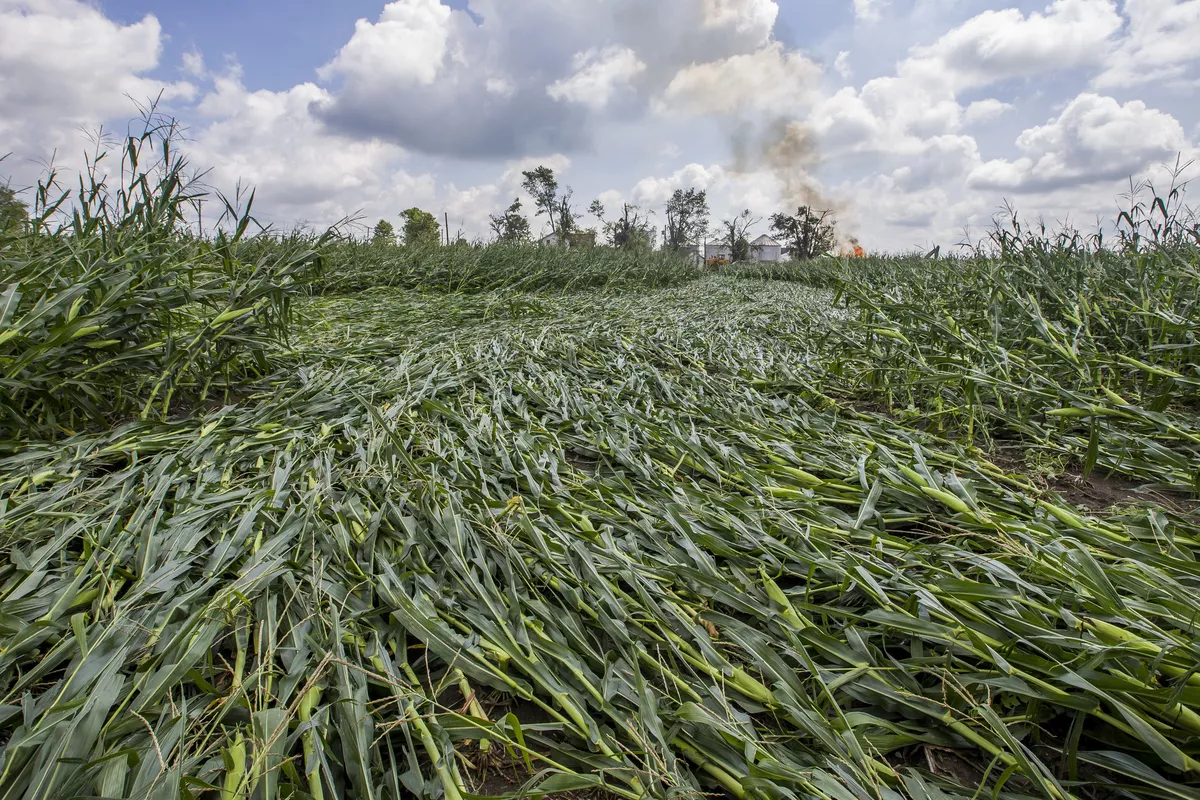
Weather Dependency: Adverse weather conditions, inclusive of strong winds, heavy rain, or low visibility, can hinder drone operations. Weather obstacles may have an effect on the reliability and consistency of facts collection.
Data Management: The huge quantity of records generated by using drones calls for powerful garage, processing, and evaluation. Farmers might also face demanding situations in dealing with and decoding the records without the essential infrastructure and knowledge.
Security and Privacy Concerns: As drones accumulate certain information approximately plants and farm operations, there are issues approximately the safety and privacy of this statistics. Unauthorized access or misuse of the gathered records may want to pose dangers to farmers and their organizations.
While agriculture drones provide good-sized advantages, addressing those drawbacks through technological improvements, advanced regulations, and higher infrastructure can in addition decorate their utility in cutting-edge farming practices.
Source - https://medium.com