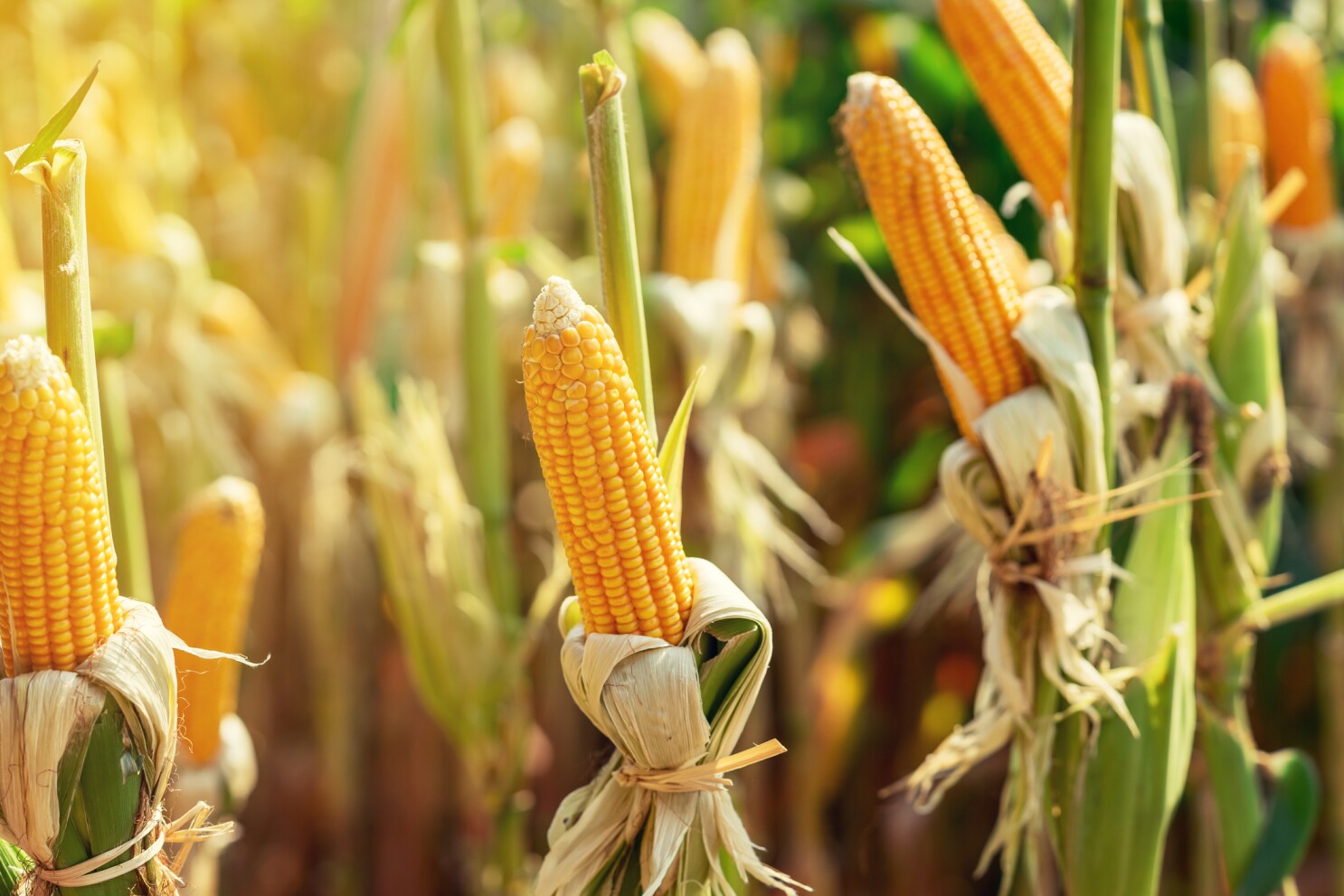
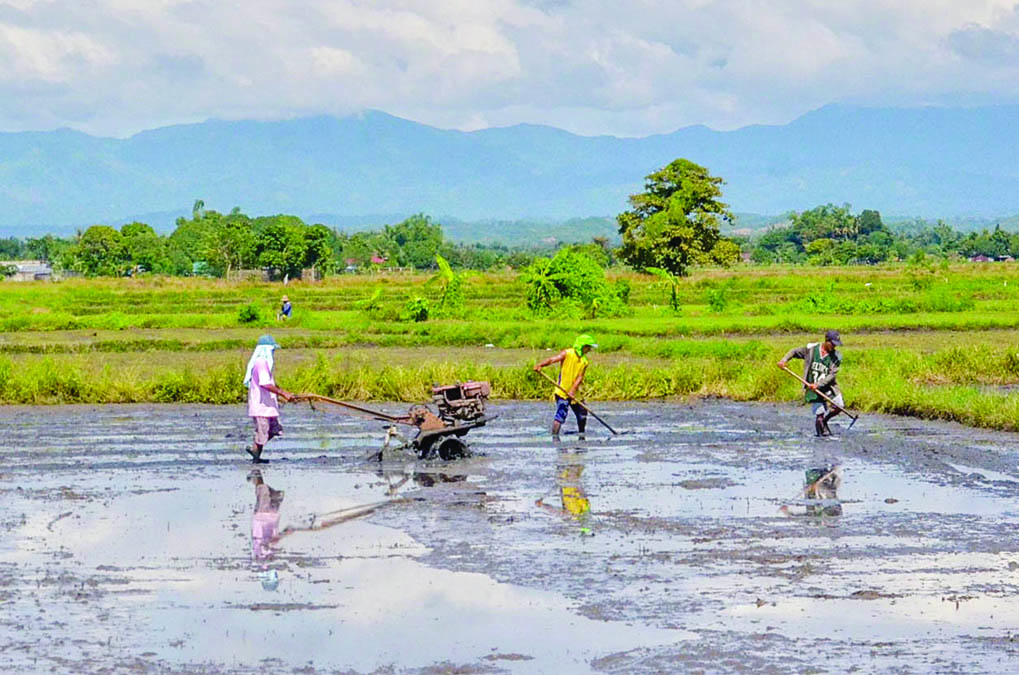
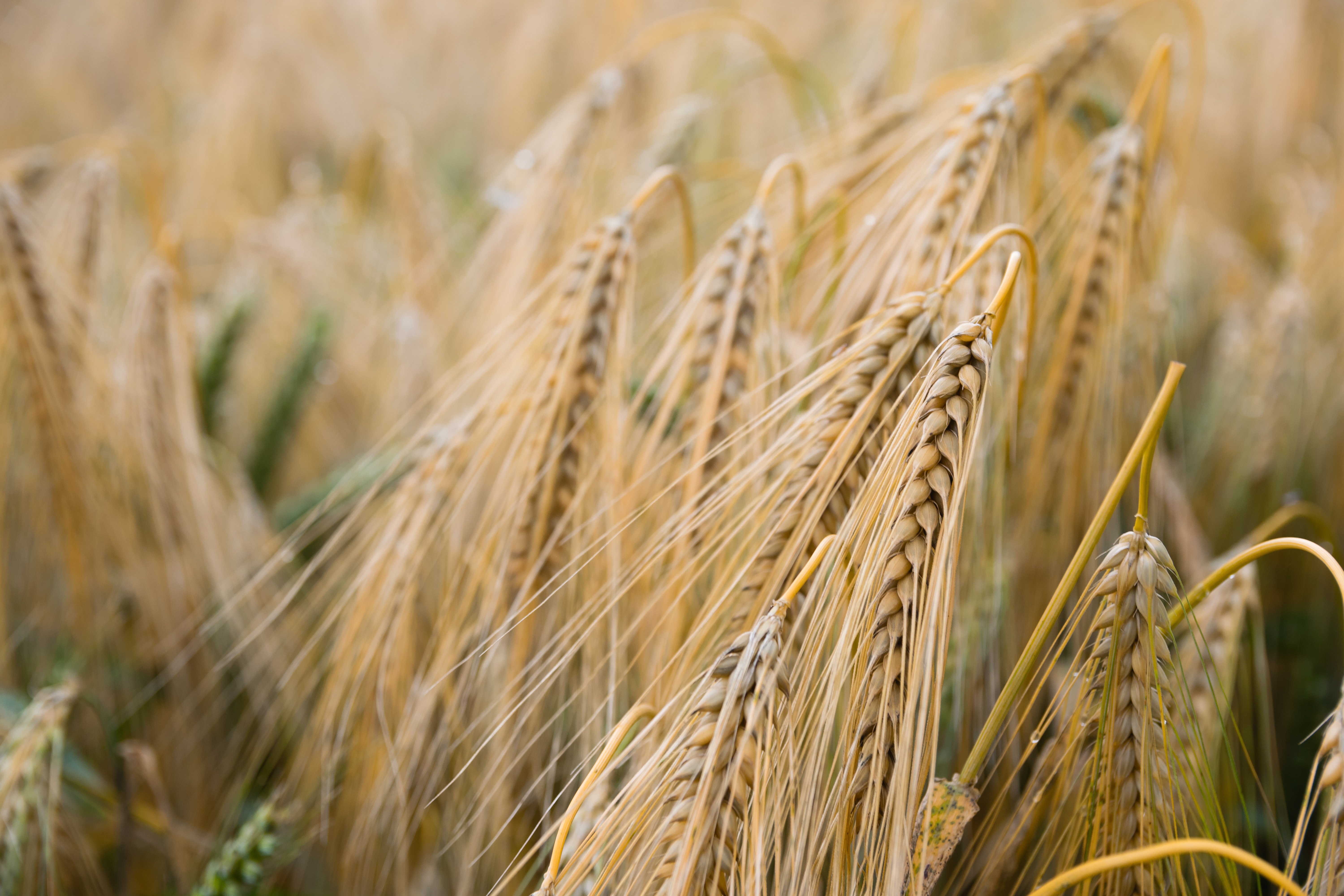
With farmers in Zhemgang increasingly opting for profitable crops like cardamom, mandarin orange, ginger, avocado, and areca nut, Zhemgang’s maize cultivation has been falling over the years.
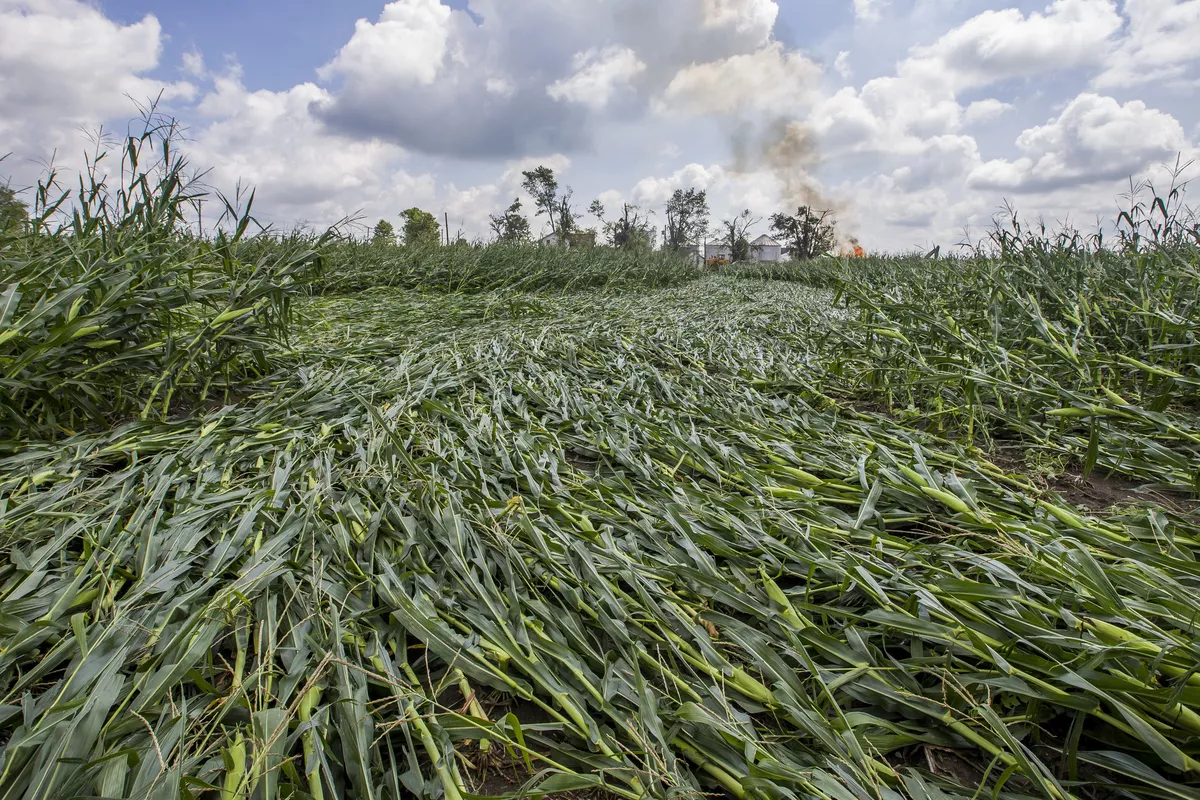
The farmers, once cultivating maize on thousands of acres, are now cultivating to a mere hundred acres due to challenges posed by wild boars, monkeys, and birds.
Bagala, 77, from Goshing, said that in the old days, a majority of the land was used for growing maize, but now only a few hundred acres are used for cultivation.
“People prefer more affordable imported rice. Kharang food, once a main food here, is almost disappearing as it is labour intensive,” he said, adding that only a few farmers continue to grow maize on extensive lands for commercial purposes.
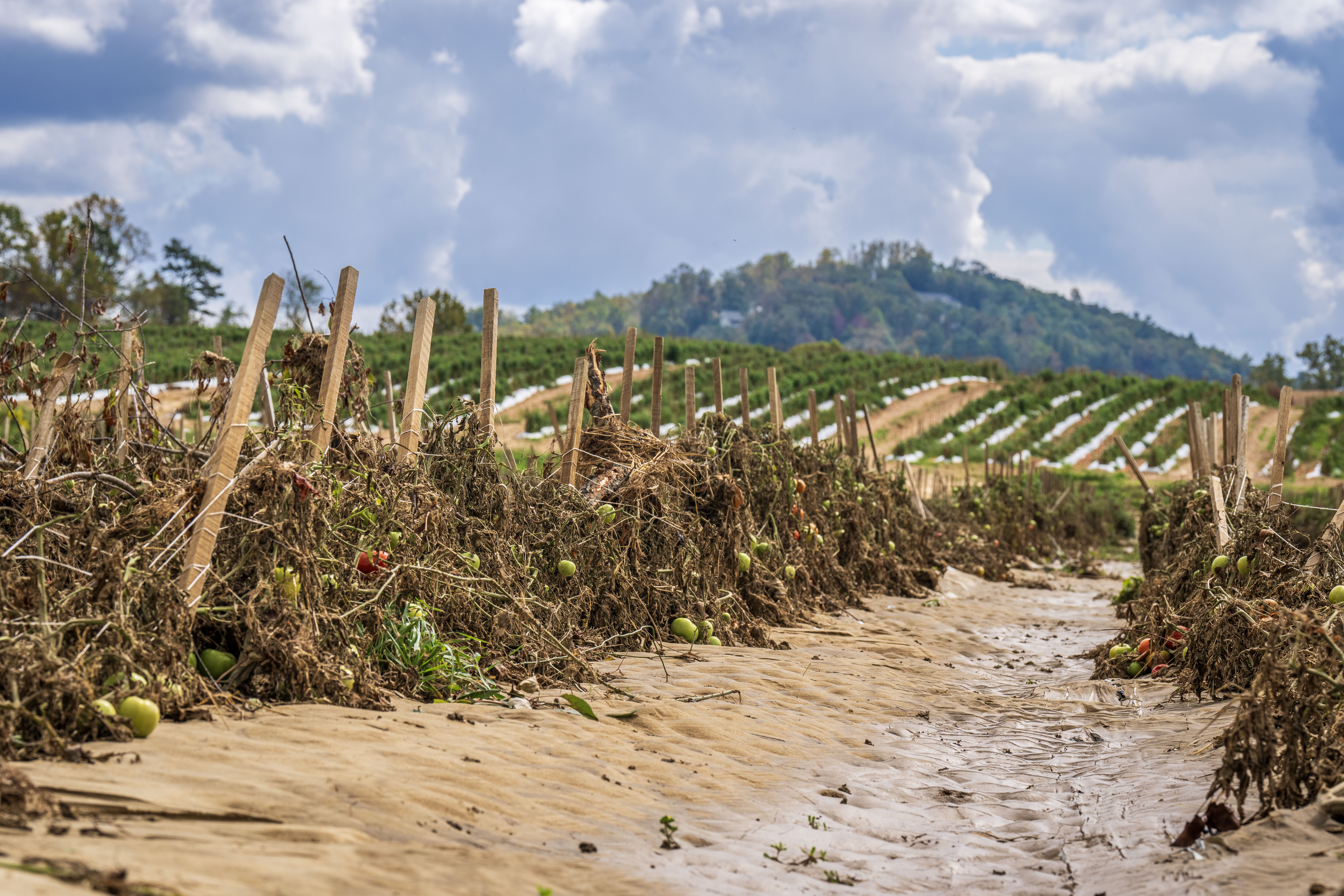
The decline is further aggravated by challenges such as crop losses to wildlife, declining soil fertility, changing farmer preferences, and challenges in accessing markets.
The Lamtang Tshogpa in Goshing gewog, Zangpo, said that with Zhemgang having the highest forest coverage and being the habitat for many wild animals, finding an effective solution to the human-monkey conflict is unlikely.
“People use fake tigers to deter monkeys, which have proven somewhat helpful,” he said, adding that guarding fields against wild boars, monkeys, and birds starts as early as 4am and continues until 6pm daily.
Another farmer said that if government officials or policymakers visit for a meeting and study with the community, it would greatly help understand the situation on the ground more effectively.
And the farmers here are counting on the incoming government to provide them with chain-link fencing to protect their fields from wild animals.
Despite facing challenges in maintaining maize cultivation, the Zhemgang dzongkhag administration remains committed to prioritising plans and programmes for cultivating cereals, including maize.
Zhemgang’s Deputy Chief Agriculture Officer, Tashi Phuntsho, said that the 13th Plan strategy will include both cash crops and cereals for food security.
“We have plans to link the community with cattle fodder factories in Bumthang. If farmers are interested, we will form a group in the community and connect with the factory owners through a formal agreement,” he said.
Tashi Phuentsho added that the upcoming mega factory for processing Kharang in Lingmithang will also motivate farmers to cultivate maize. “This will create marketing opportunities for maize production, and help farmers in generating income.”
“We have provided training to the community on producing biscuits and food items using cereals, and this initiative will continue in the 13th Plan,” he said, adding that the priority for chain-link fencing will be given to large communities focusing strongly on intensive agriculture farming.
In addition to the human-wildlife conflict, Tashi Phuntsho said that most villages are made up of elderly citizens who are unable to engage in farming activities.
“Maize cultivation is both expensive and labour-intensive. The daily wage for hiring a labourer is twice the national rate, and some even have to pay Nu 1,000 a day. As a result, many farmers abandon maize cultivation,” he added.
Going by the data recorded with the Zhemgang agriculture sector, the maize cultivation area has decreased from 4,000 acres in 2022 to 3,920 acres in 2023. And the production has also declined to 2,655 metric tonnes (MT) by 2023.
According to the agriculture survey reports, maize production in Zhemgang was 9,283 MT in 2017. However, by 2021, it had decreased to 1,831.52MT.
The production of cash crops such as cardamom, ginger, and turmeric has seen an upward trend in Zhemgang from 2019 to 2021, while the cultivation of minor cereals like millet and buckwheat is on the decline.
The 2021 agriculture survey reports a maize harvest of 30,939MT in the country, which is 10,026MT less than the previous year. Over a five-year period, maize harvests fluctuated from 55,259MT in 2018 to 30,939MT in 2021.
In 2021, the recorded maize cultivation area was 25,473 acres, which witnessed a major drop of 7,655 acres compared to 2020. The number of maize growers decreased from 43,776 in 2020 to 38,397 in 2021.
The major maize-growing dzongkhags are Mongar, Pemagatshel, and Trashigang.
The report highlighted that climate change and damage caused by wild animals, such as elephants and wild boars, are already affecting the food supply.
Source - https://kuenselonline.com