Brazil - El Niño impacts summer fruits in Rio Grande do Sul

12.01.2024 1070 views

El Niño's weather patterns have affected the growth and distribution of summer fruits in Rio Grande do Sul, including watermelon, melon, and passion fruit. These fruits are set to hit the market at higher prices due to decreased yield.

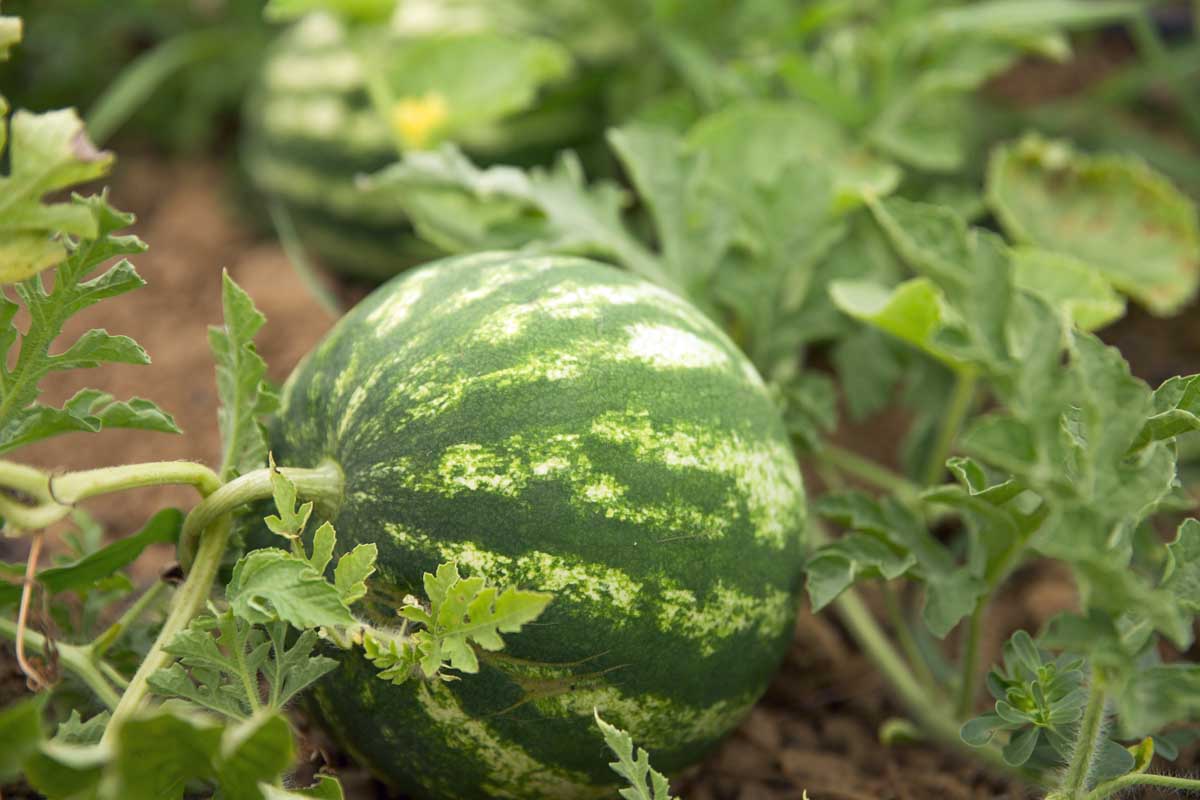
Rio Grande do Sul is known for its coastal fruit cultivation, especially during summer. However, this year's climate issues have affected the growth of the region's fruits. The planting of watermelons, a staple in the region, was delayed due to heavy rainfall, resulting in a 20% reduction in the sown area. Below-average spring temperatures also hindered the development of these fruits, which require ample sunlight to achieve their sweetness.

Emater/RS-Ascar rural extension agent, Gervásio Paulus, foresees a smaller quantity of watermelons and melons from Rio Grande do Sul this year, leading to higher prices for consumers. “We will have around 6,500 hectares of watermelons and 600 hectares of melons. It is still difficult to estimate the quantity, but I believe that the quality will not be harmed,” he says.

Watermelon, which takes 80 to 110 days to be harvested, is usually harvested from the first weeks of January. The planting should be done at the end of winter since the species cannot tolerate very low temperatures. “In this year of El Niño, classified as strong, the conditions for the fruit are delayed due to excess rain, but, on the other hand, favorable due to the abundant rain since the crop has practically no irrigation,” Paulus adds.

Last year, 145,000 tons of watermelon and 8,500 tons of melon were harvested in Rio Grande do Sul. However, this year's watermelon harvest is below demand and with visible defects. However, supply does not meet the demand caused by the reduction in planted area.

Despite the slight reduction in area, Paulus is optimistic about the cultivation of passion fruit, another characteristic fruit of the coast of Rio Grande do Sul. In the case of pineapple, a perennial crop primarily grown in the terra de sand variety, the weather should not cause any harm as producers carry out treatment for floral induction and anticipation of production.

Source - https://www.freshplaza.com

02.09.2026

Philippines - Bayambang declares state of calamity over P31-M agricultural losses

The municipal council of Bayambang has placed the town under a state of calamity after Tropical Storms “Luis” and “Maymay” and the enhanced southwest monsoon, or habagat, caused more than P31 million in agricultural losses.

02.09.2026

USA - Lynndyl farmers assess crop losses after 100 mph winds and hail

Farmers in and around Lynndyl are beginning to assess severe losses after a powerful weekend storm ripped through fields with destructive winds and hail just as some crops were nearing harvest.

02.09.2026

USA - New Insurance for Breeding Heifers

New LRP Coverage Aims to Reduce the Risk of Retaining Heifers for Breeding.

02.09.2026

Corn's $6 Surprise Could Change the Profit Math for U.S. Farmers

Corn may already be worth more than the board suggests as farm payments and incentives add about 52¢ per bushel to producer revenue.

02.09.2026

Philippines - Iloilo turns over P10M for farm, fishery insurance

The Iloilo provincial government has turned over P10 million to the state-owned Philippine Crop Insurance Corp. (PCIC) to expand insurance protection for farmers and fisherfolk vulnerable to losses from El Niño, La Niña, typhoons, pest infestations and other calamities.

02.09.2026

India - AP sees 1,263% rise in non-loanee crop insurance

The State witnessed a remarkable 1,263% jump in non-loanee farmer registrations, with their participation rising from 2 lakh in the previous Kharif season to 25.26 lakh farmers this year.

01.09.2026

South Africa - Grain SA calls for affordable crop insurance as dry weather threatens Swartland wheat

Severe rainfall shortages threatening the Swartland wheat crop have highlighted the need for government support to make crop insurance affordable for dryland producers.

01.09.2026

USA - Florida farms face nation’s highest disaster loss rate

Natural disasters destroy billions of dollars in U.S. agricultural production each year. From drought and wildfires in the West to hail in the Midwest and hurricanes in the Southeast, farms lose an average of $5.1 billion in crops and livestock annually, according to the Federal Emergency Management Agency.