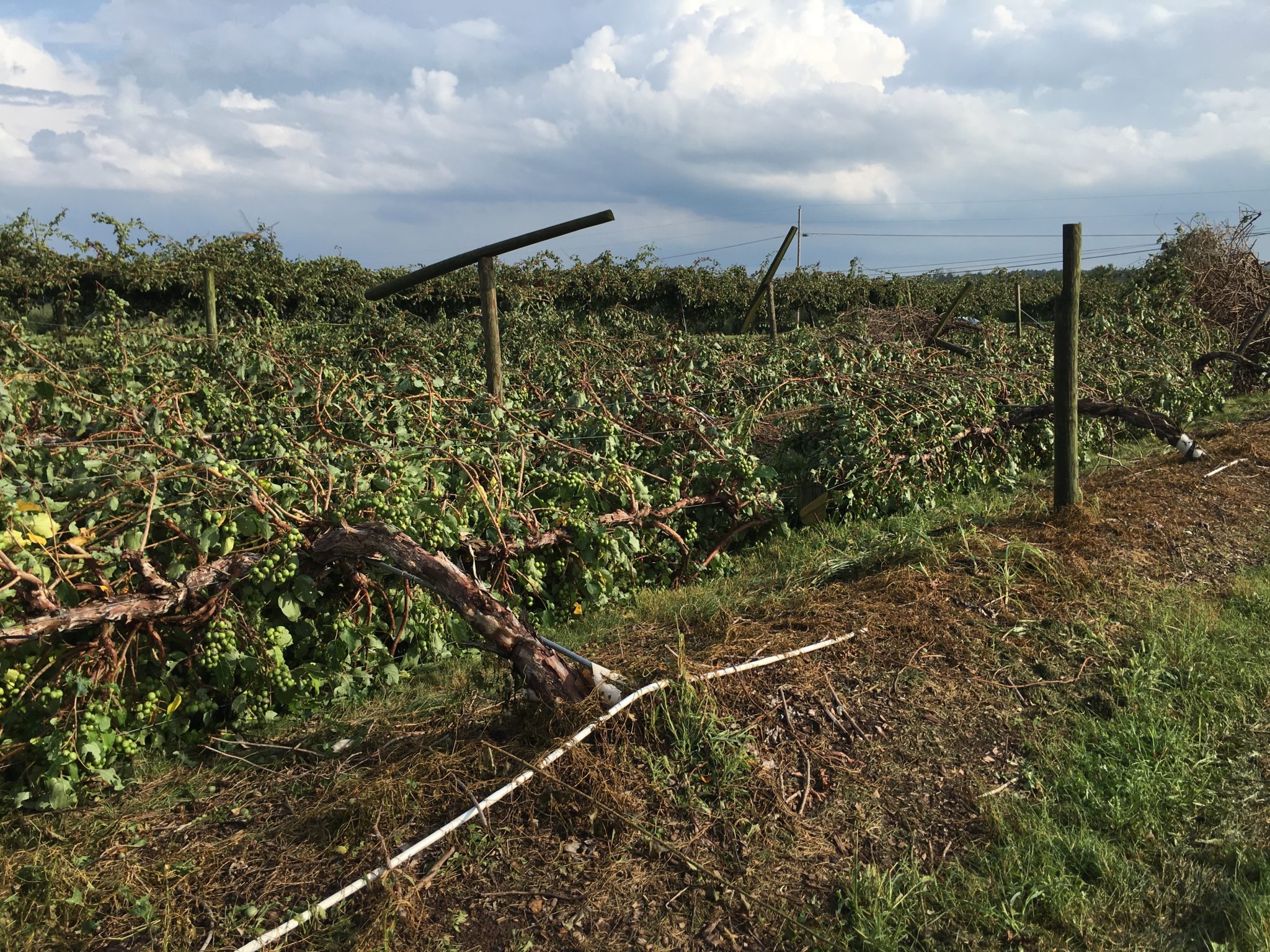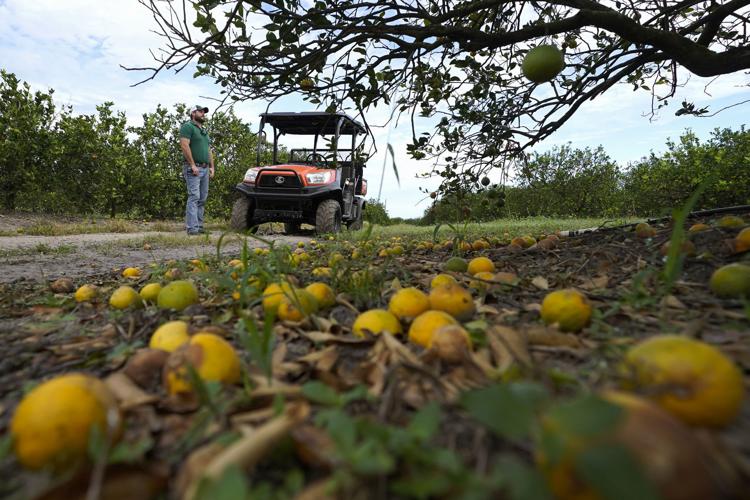
In the verdant expanses of Brazil's Erechim region, a narrative of challenge and adaptation unfolds as citrus producers grapple with the whims of nature. Excessive rainfall has marred the usual splendor of the citrus orchards, leading to poor flower fruiting and the premature dropping of young fruits. This year, the relentless downpour has not only dampened the spirits of the farmers but also forecasted a grim reduction in fruit volume, with some varieties facing up to a 40% loss. Yet, amidst this struggle, a story of hope emerges from the Frederico Westphalen area, where citrus orchards are flourishing, defying the adverse weather conditions that have beleaguered their neighbors.
Weather Woes and the Fight for Survival
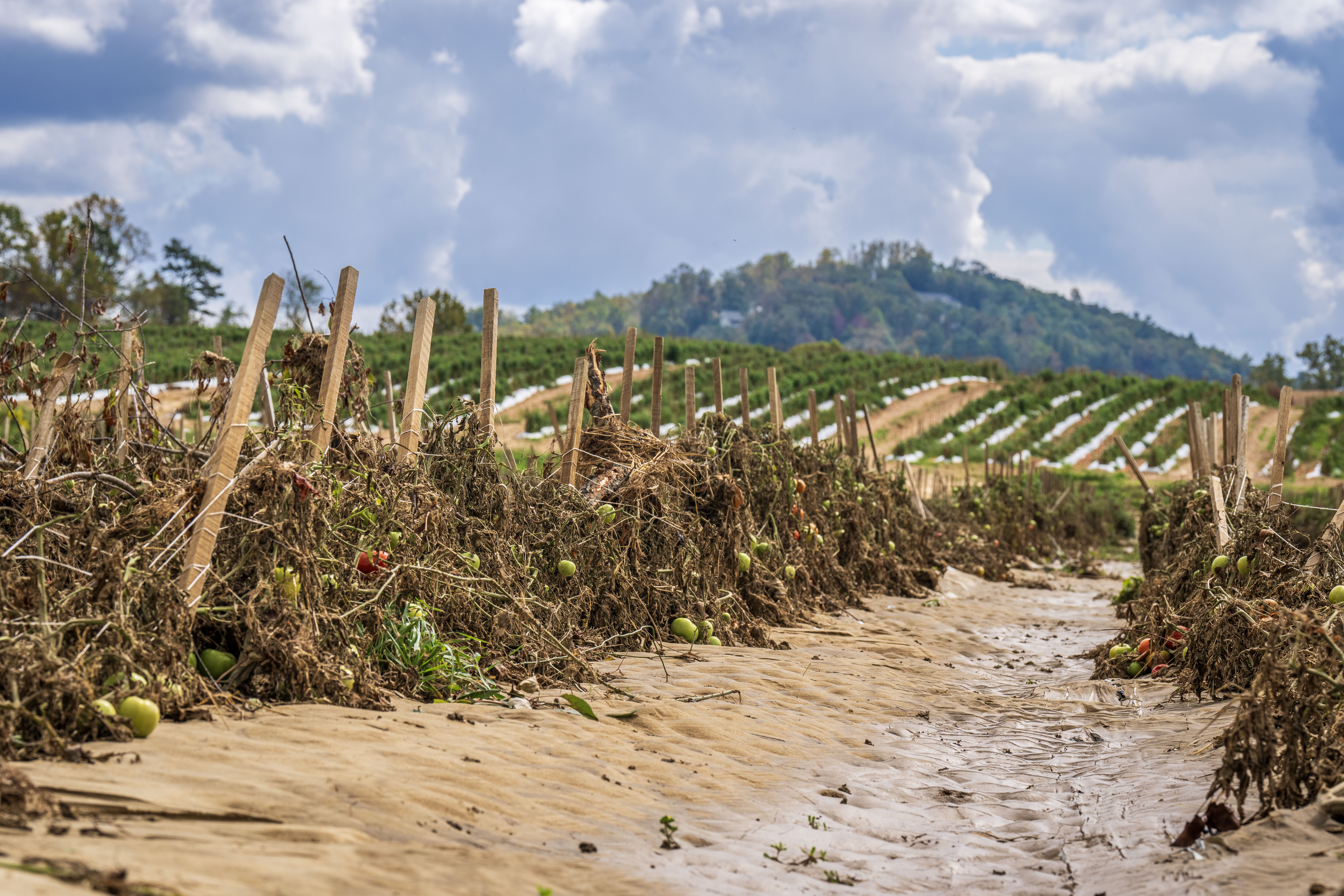
The excessive rainfall near the Santa Catarina border has brought more than just waterlogged fields; it has raised concerns over greening, a threat that looms large over the future of citrus production in the region. In response, citrus farmers have doubled down on their efforts, adopting a range of agricultural practices to shield their precious crops from the capricious weather. Phytosanitary treatments, strategic pruning, bergamot thinning, and meticulous fertilization have become the weapons of choice in this battle against the elements. Despite these efforts, initial estimates painted a bleak picture, predicting a 40% decrease in productivity for certain citrus varieties.
A Tale of Two Regions
Contrast paints the story of Erechim and Frederico Westphalen in stark, vivid colors. While Erechim's producers wrestle with the challenges posed by nature, their counterparts in Frederico Westphalen bask in the glow of favorable weather conditions. Here, the orchards are not just surviving; they are thriving, with fruit development proceeding successfully against all odds. This divergence in fortune highlights the unpredictable nature of agriculture, where success and struggle coexist, separated only by the whims of weather. Despite the adverse conditions, the quality of produce in Erechim remains uncompromised, with plans afoot to expand bergamot cultivation from the current 168 hectares, signaling a strong resolve to overcome the obstacles.
Adaptation and Resilience: The Path Forward
The resilience of Erechim's citrus producers is a testament to the human spirit's capacity to adapt and persevere. Originally bracing for a 40% loss in productivity, revised estimates now suggest a 30% loss for Valencia and Folha Murcha varieties, with Iapar 73 and Salustiana varieties expecting a slightly more favorable outcome, facing only a 20% loss. The Umbigo Bahia and Monte Parnaso varieties, however, are projected to experience a significant reduction, with a 40% decrease from the initial estimate of 25 tons per hectare. These figures, though daunting, are not insurmountable. Through a combination of ingenuity, hard work, and a bit of luck, the citrus farmers of Erechim and Frederico Westphalen are navigating their way through the challenges, hopeful for a future where the skies are clear, and the orchards are bountiful once more.
In the end, the story of Brazil's citrus crop this season is one of loss but also of immense resilience and unexpected triumph. It's a narrative that underscores the unpredictable nature of farming, the impact of climate on agriculture, and the indomitable spirit of those who work the land. As the citrus producers of Erechim and Frederico Westphalen look to the horizon, their eyes are set not only on the skies but also on the future, ready to face whatever challenges come their way with determination and hope.
Source - https://bnnbreaking.com