Brazil - Weather issues affect soybean crop prospects but early to cut projections

07.11.2023 574 views

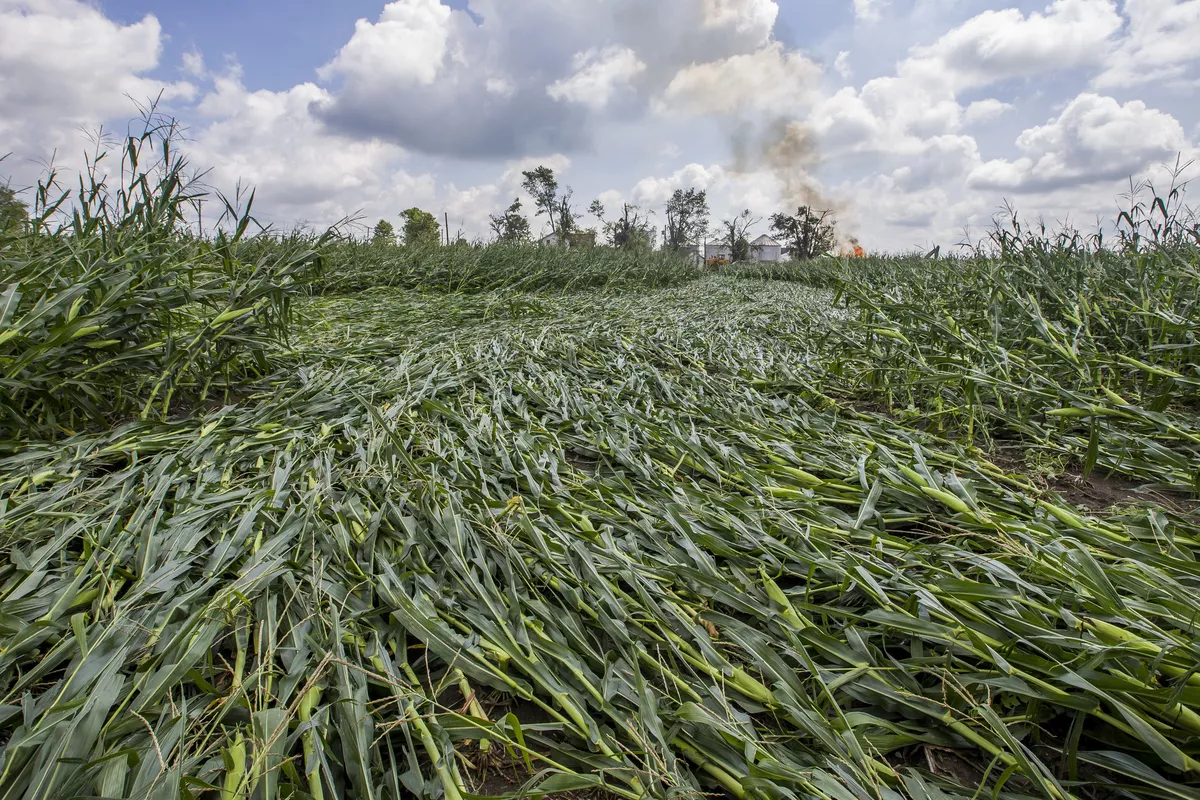
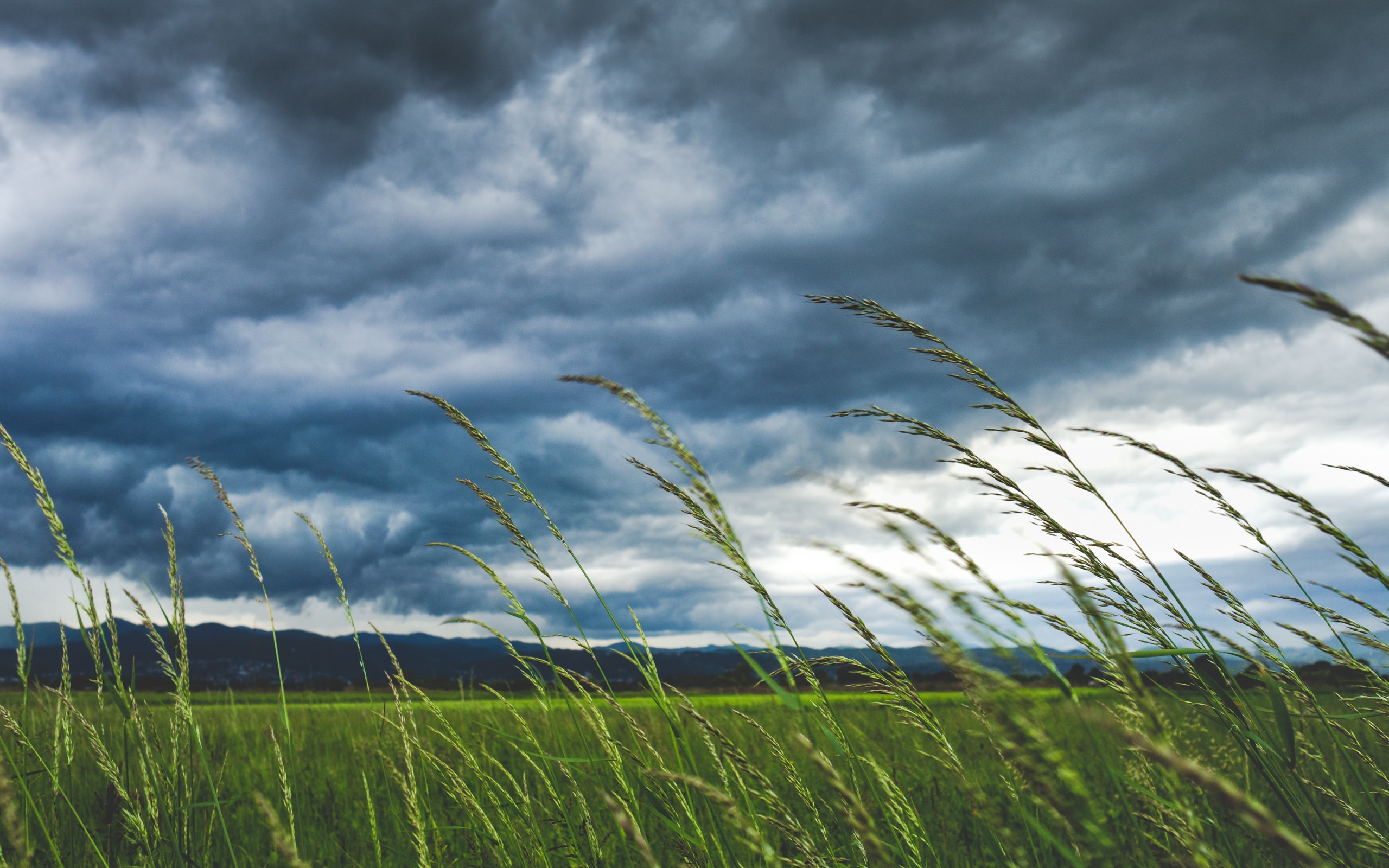
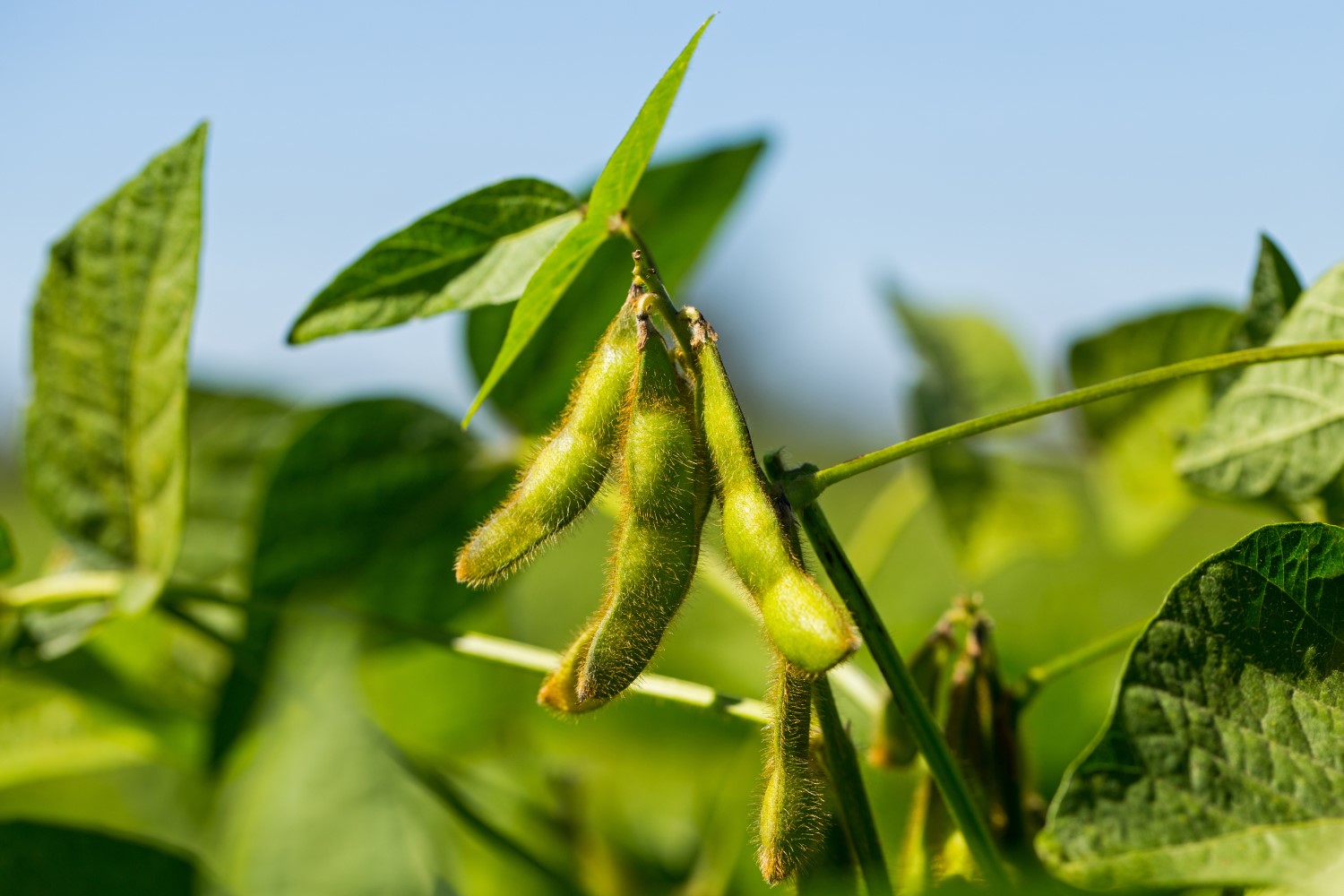
Weather forecasts for November do not show a significant change in overall conditions, with scattered rains in central-north areas and downpours in the south likely compromising Brazil's 2024 soy yields and output, analysts say.

However, it is early to determine whether soy will definitely be spoiled in the world's biggest supplier of the oilseed.

"Perhaps this complicated planting start takes away some of the shine from the soy harvest, but there is still a long way to go," said AgRural analyst's Alaide Ziemmer. "I still believe that if the weather cooperates, we can have a good harvest."

Safras & Mercado analyst Luiz Fernando Roque said that concerns still exist but that it's "still early to talk about soy output and yield losses."

If weather problems persist throughout December, analysts will have to start lowering projections, Roque added.

The slow pace of Brazil's soybean planting given lack of rains in some areas and excess rain in others also raises risks for second corn and cotton, because they are planted after the soy harvest and could be forcibly sowed outside the ideal climate window, according to analysts.

Roque said the situation could lead farmers to plant second corn on a smaller area.

Brazil's soybean production is expected to grow 4.8% in 2023/24 to a record 162 million metric tons, according to crop agency Conab, which will release a new grain forecast on Thursday.

For Cogo Intelligence in Agribusiness, soy is a resilient crop and potential losses cannot be estimated at this point. "See what happened with this year's U.S. harvest," Partner Carlos Gogo said.

StoneX's analyst Ana Luiza Lodi said that despite concerns about the weather, there is not clear indication of crop failure.

On Nov. 1, StoneX raised the forecast for Brazil's soybean harvest to 165 million tons, driven by an increase in the planted area.

Source - https://www.nasdaq.com

02.09.2026

Philippines - Bayambang declares state of calamity over P31-M agricultural losses

The municipal council of Bayambang has placed the town under a state of calamity after Tropical Storms “Luis” and “Maymay” and the enhanced southwest monsoon, or habagat, caused more than P31 million in agricultural losses.

02.09.2026

USA - Lynndyl farmers assess crop losses after 100 mph winds and hail

Farmers in and around Lynndyl are beginning to assess severe losses after a powerful weekend storm ripped through fields with destructive winds and hail just as some crops were nearing harvest.

02.09.2026

USA - New Insurance for Breeding Heifers

New LRP Coverage Aims to Reduce the Risk of Retaining Heifers for Breeding.

02.09.2026

Corn's $6 Surprise Could Change the Profit Math for U.S. Farmers

Corn may already be worth more than the board suggests as farm payments and incentives add about 52¢ per bushel to producer revenue.

02.09.2026

Philippines - Iloilo turns over P10M for farm, fishery insurance

The Iloilo provincial government has turned over P10 million to the state-owned Philippine Crop Insurance Corp. (PCIC) to expand insurance protection for farmers and fisherfolk vulnerable to losses from El Niño, La Niña, typhoons, pest infestations and other calamities.

02.09.2026

India - AP sees 1,263% rise in non-loanee crop insurance

The State witnessed a remarkable 1,263% jump in non-loanee farmer registrations, with their participation rising from 2 lakh in the previous Kharif season to 25.26 lakh farmers this year.

01.09.2026

South Africa - Grain SA calls for affordable crop insurance as dry weather threatens Swartland wheat

Severe rainfall shortages threatening the Swartland wheat crop have highlighted the need for government support to make crop insurance affordable for dryland producers.

01.09.2026

USA - Florida farms face nation’s highest disaster loss rate

Natural disasters destroy billions of dollars in U.S. agricultural production each year. From drought and wildfires in the West to hail in the Midwest and hurricanes in the Southeast, farms lose an average of $5.1 billion in crops and livestock annually, according to the Federal Emergency Management Agency.